

Bonfire, Firework and Sparkler Safety
 6 min read
As the nights draw in, evenings get colder and Christmas creeps ever closer, the night sky becomes a symphony of pyrotechnic wonder. Bonfires, fireworks and sparklers become familiar sights at this time of year and can bring a much needed explosion of light into the dark and dreary evenings. Occasions such as Bonfire Night and Diwali can see people organising firework displays for family and friends to celebrate special moments. Whilst the glitz and glamour of fireworks can bring some exciting whimsy, it’s vital that bonfires, fireworks and sparklers are handled safely so that everyone can enjoy the fun of fireworks without unnecessary risk. In this article we will provide you with some helpful safety tips so that you can reduce the risks associated with bonfires, fireworks and sparklers.
The Firework Code
One of the best ways to ensure the safe use of fireworks and similar pyrotechnics is to follow the Firework Code. The British Fireworks Association’s (BFA) Firework Code details key safety rules and curfews to ensure that fireworks are used safely. The Code serves as vital guidance for the safe enjoyment of fireworks; you must always follow the Firework Code when using fireworks.
The Firework Code is as follows:
- Do not buy fireworks from unlicensed retailers. These fireworks may be unsafe and illegal.
- Only buy fireworks that comply with current safety standards.
- Always keep fireworks in a closed box. Take them out one at a time and close the box.
- Never put fireworks in your pocket.
- Be considerate. Let your neighbours know you will be having a display, especially if they are elderly or they have pets or children.
- Avoid setting fireworks off late at night, particularly if it is a school-night.
- Ensure your pets are safe.
- Carefully follow the instructions on each firework.
- Never go back to a lit firework unless the instructions advise otherwise.
- Never throw fireworks; it is dangerous.
- Light fireworks one at a time, at the end of the fuse, and at arm’s length.
- Light sparklers one at a time and wear suitable gloves, even when lighting them.
- Never give sparklers to a child under the age of 5.
- Never throw spent fireworks on a bonfire.
Legal Responsibilities
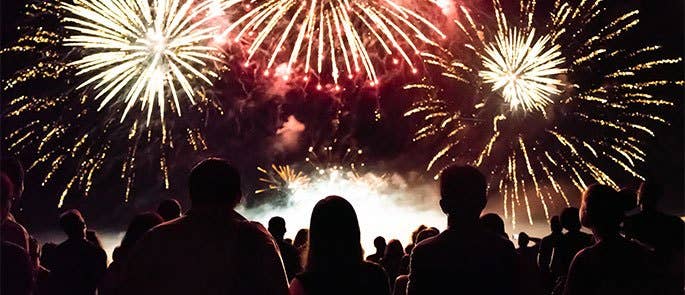
You could be fined and prosecuted for misusing fireworks or selling/providing fireworks to people who are underage. You must be aged 16 or over to possess and/or purchase smaller fireworks (CAT F1) such as sparklers. You must be aged 18 or over to possess and/or purchase small to medium sized fireworks (CAT F2) or medium to large fireworks (CAT F3). The BFA considers the following as misuse of fireworks:
- Possessing and/or purchasing fireworks below the minimum age limit.
- Letting off fireworks between 11pm and 7am (midnight on Bonfire Night and 1am on New Years Eve). Times vary for Scotland.
- Throwing or setting of fireworks in any public place.
Bonfire Safety
Bonfire Night may have passed, but bonfires are still a staple of the season. Gathering around a warming fire can be all too appealing on these cold winter nights. However, they still pose a fire risk. Whether it is being used to get rid of garden waste or for a celebratory gathering, you must ensure that you are lighting a bonfire safely.
To ensure a safe bonfire experience, follow these safety tips:
- Build your bonfire clear from buildings, garden sheds, fences and shrubbery (i.e. trees, hedges).
- Build your bonfire carefully to ensure it won’t collapse to one side when lit.
- Never use flammable liquids, such as paraffin or petrol, to start a bonfire and never burn dangerous items such as aerosol cans, paint tins, foam furniture or batteries.
- Place a barrier around the bonfire.
- Always keep a bucket of water or hose pipe nearby in case of a fire.
- Don’t leave bonfires unattended. An adult should supervise it until it has burnt out. If it has to be left, dampen it with plenty of water.
- Check the area to make sure there’s no wildlife or pets hiding nearby.
- Make sure the bonfire is out and surroundings are made safe before leaving.
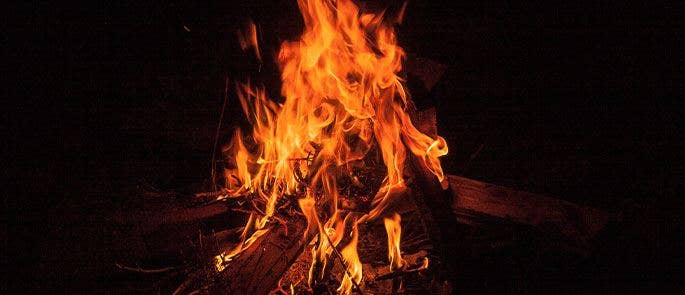
If you are using a bonfire to dispose of garden waste it’s advisable to consider alternatives first, such as composting or using your local council’s garden waste collection service. You should also consider the smoke that a bonfire can create. The greener the waste, the more smoke it will produce which may negatively impact neighbours and cause unnecessary alarm.
Sparkler Safety
Sparklers add glistening fun to many occasions and are typically safe enough for the whole family to enjoy. However, they too can pose a risk as they burn at very high temperatures which can easily cause injuries if not handled correctly.
To ensure safety when using sparklers, you can follow these tips:
- Only give one sparkler to children at a time and always supervise their use.
- Do not give sparklers to children under 5.
- Consider sticking sparklers into larger objects, such as a carrot, and giving a child that to hold instead.
- Hold sparklers at arm’s length whilst being lit.
- Don’t wave sparklers too closely to other people.
- Never hold a child in your arms whilst holding a sparkler.
- Once the sparkler has burned out, place it into a bucket of cold water or sand and leave it there for several hours, preferably overnight.
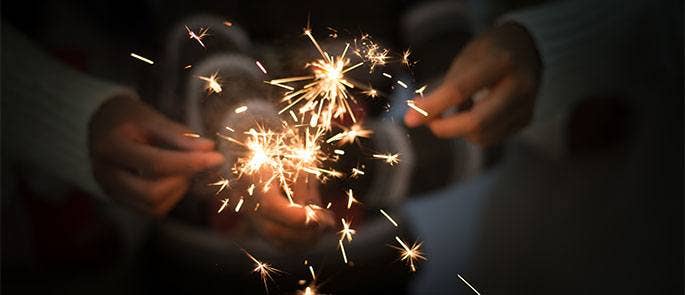
Sparklers can burn at more than 1000 degrees and so you must not underestimate how much heat they give off. Sparklers can remain hot for several hours after their use so it’s advisable to leave them in something cool for as long as possible. Ensuring that everyone handling sparklers is wearing gloves can also help to protect hands from burns.
How to Safely Dispose of Fireworks and Sparklers
Ensuring that you safely dispose of fireworks, bonfires and sparklers reduces the risk of fire and unnecessary harm to the surrounding environment. It’s essential that you dispose of your used items safely and responsibly.
To dispose of fireworks safely:
- Soak it – soak them overnight in water to ensure that they are completely doused and there is no chance of them igniting.
- Bag it – collect all used fireworks in a bag and double bag them for added protection.
- Bin in – put them in the rubbish bin, not the recycling bin.
Wear gloves and use tongs to collect spent fireworks to avoid burning yourself. If you have a large number of unused fireworks it is advisable to contact a specialist disposal company to collect and dispose of them safely, rather than storing them for a long time. If you are storing unused fireworks, store them away from combustible materials and any sources of ignition and ensure they can’t get wet or damp.
To dispose of sparklers safely:
- Soak them overnight to ensure they have fully cooled.
- Collect used sparklers in a bag and double bag them for added protection.
- Put them in the rubbish bin, not the recycling bin.
When disposing of fireworks and/or sparklers, it can be a good idea to label the bag and check with your local authority to see if there are any specific labelling requirements or disposal methods for your area.
If you are hosting a party where sparklers will be available, it’s advisable to clearly label where spent sparklers should go and where sources of water are. It’s also beneficial to quickly educate guests on how to use sparklers safely using the tips above.
Remember, it is illegal to use a bonfire to dispose of household rubbish, treated wood, plastics, batteries or electrical items. You can burn garden waste, however the Department for Environment, Food and Rural Affairs (DEFRA) encourages people to compost instead or use your local authority’s garden waste collection service. Whilst bonfires are legal, most fire services across the country encourage people to attend organised bonfires rather than having on in your garden.
If you are attending a bonfire event then the organisers will know how to safely dispose of the bonfire. If you have a bonfire at home you can safely dispose of it by:
- Keeping the blaze small at all times.
- Dousing the fire in plenty of water, it can be unsafe to wait for the fire to go out naturally and you should be prepared to extinguish it at all times.
Bonfires, fireworks and sparklers can bring some much needed light and joy into cold winter evenings. Whilst they can help to make an occasion even more special, they pose risks that must be considered in order to keep people safe. By following the tips listed above you can ensure that everyone stays safe while having some seasonal fun.
Further Resources:
- Fire Safety Courses
- Burning Rubbish: What are the Rules and Regulations?
- A Guide to Lithium-Ion Battery Fire Safety



Post Author