

Unsafe Acts in the Workplace
 4 min read
Employers have a legal responsibility to uphold workplace safety in order to keep employees and members of the public safe. Workplace safety is integral to ensuring that people are safe and everyone has a role to play in order to ensure that accidents are limited, safety standards are maintained and people don’t come to undue harm. In this article we will outline what unsafe acts are and how you can help to prevent them.
What is an Unsafe Act?
An unsafe act is an action taken by an employee that undermines or violates workplace safety procedures and processes. In doing so these acts can increase the risk of accidents and injuries in the workplace. Unsafe acts can occur for many reasons such as a lack of training or complacency. For example, an employee who frequently works at height may be aware of the residual risk of them falling. However, as they typically only use ladders as opposed to cherry pickers and have never fallen, they may become complacent and not follow certain safety protocols such as wearing PPE or inspecting the ladder when necessary.
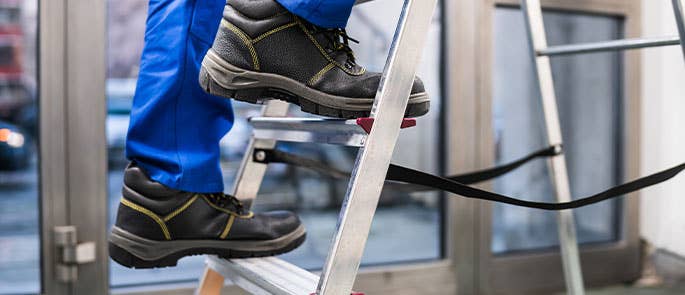
Unsafe acts undermine workplace safety culture and can create a culture of carelessness. This increases the likelihood of workplace accidents and injuries which can cause severe harm to employees and disrupt usual business activities. Additionally, unsafe acts can lead to serious accidents that result in significant legal and financial difficulties for an organisation.
An unsafe act relates to the actions of an employee, whereas an unsafe condition refers to an environment that is unsafe and can therefore cause harm. There is undeniable overlap in both terms and unsafe conditions can cause as much harm as an unsafe act. However, it’s important to recognise the difference between the two as they will require different approaches to rectify them. For example, rectifying an unsafe act may require additional training so that employees understand why certain safety measures are in place. Comparatively, rectifying an unsafe condition may require changes to a workplace’s structure or layout.
Examples of Unsafe Acts
Examples of unsafe acts include:
- Using equipment improperly
- Working at an unsafe speed/pace i.e. rushing
- Failure to use PPE
- Ignoring safety signage
- Excessive workload
- Distracting behaviours
- Skipping training
It’s important to recognise that an employee may not be performing unsafe acts with the intention to cause harm to themselves, others or the business. They may have picked up bad habits from others, they may be overworked and therefore more careless and likely to cut corners or they may simply not understand why their actions are unsafe. As such, when correcting unsafe acts it is beneficial to approach discussions in an informative and educational way rather than in a punitive manner.

Looking for More?
Providing employees with informative and comprehensive training can help to reduce unsafe acts. Our wide range of Health and Safety Courses, including Health and Safety Training for Employees and Manual Handling training, can provide the fundamental knowledge to keep everyone safe.
How Might Unsafe Acts Be Identified?
One of the easiest ways to identify an unsafe act, unfortunately, is through injury. However, there are ways in which they can be identified before this occurs. This includes:
- Direct observation
- Employee feedback
- Near-miss reports
- Audits
- Failing retraining
- Data monitoring

It is important that employees know what protocol to follow in order to report any unsafe acts. This information should be clearly communicated and signposted from the beginning of their employment so that they confidently know what to do. This can help to strengthen workplace safety by creating a culture of collective responsibility.
How to Prevent Unsafe Acts
As mentioned above, it should not be assumed that an employee will perform unsafe acts with the intention to harm themselves, others or the business. As such, effective steps should be taken to ensure that employees know what constitutes an unsafe act thereby helping to reduce them. Furthermore, it’s important that when approaching an employee about an unsafe act that it is done fairly with the focus on rectifying the act rather than punishing or humiliating the employee.
Ways to prevent unsafe acts include:
- Effective training – All employees should be provided with adequate training to perform their tasks safely and effectively. If this training is lacking then they are more likely to unknowingly perform unsafe acts. Training should be high quality and should not necessarily rely on pre-existing employees showing new employees the ropes as this can result in bad habits and unsafe acts being taught as the norm. Effective training should also include mention of the consequences of unsafe acts. The intention when doing so should not be fear mongering, but providing a realistic insight into the extent of harm or damage that unsafe acts can cause.
- Monitoring and review – Complacency is a notable cause of unsafe acts as when employees become familiar with their job and the risks associated with it, they may start to make personal decisions as to what safety measures are or aren’t necessary. For example, a construction worker may decide that they don’t need to wear their hard hat at a particular site as every time they have visited previous similar sites there has ‘never been a need.’ This complacency can lead to lapses in safety protocols and procedures as employees begin to underestimate the risk associated with their unsafe act. Regular monitoring and review of safety procedures can help to ensure that they are upheld and that employees don’t become complacent. It can also highlight any gaps in knowledge that should be rectified before they cause undue harm.
- Clear safety policies – Clearly outlining the safety policies and procedures of your business sets clear expectations for employees as to what behaviour is and isn’t acceptable. This helps to support a workplace safety culture and sets a precedent for collective responsibility from the get go. It also ensures that employees have something to refer back to so that they can monitor their own behaviour and how it aligns with business expectations.
Unsafe acts can undermine workplace safety and increase the risk of undue harm. Comprehensive training and clear expectations can help to prevent unsafe acts by ensuring that employees know how to act safely. Workplace safety is everyone’s responsibility and unsafe acts don’t just put the individual employee at risk but other employees and potentially the business as a whole. The damage that unsafe acts can cause must therefore not be underestimated and these acts must be rectified in order to limit accidental harm.
Further Resources
- What are Safe Systems of Work?
- Toolbox Talks in Construction: Guidance on Meeting Topics and Resources
- Health and Safety Courses



Post Author