

Planning a Christmas Dinner: Free Checklist
 5 min read
The tree’s up, the iridescent lights are twinkling and Love Actually is about to do the rounds on every channel imaginable; that can only mean one thing, Christmas is here! Making the perfect Christmas dinner is something we all aspire to do and with effective planning and preparation in advance that festive wish can easily become a reality! Whilst remembering everything that you need to do, what time you need to do it all whilst attempting to spend time with family and friends can make the Christmas period stressful, careful planning beforehand can significantly help to reduce this stress.
To help make your dinner as successful, relaxing (and tasty) as possible we have put together a list of things you might want to consider in the days leading up to Christmas. From shopping list suggestions to time planning, we have put together a handy and free checklist to make your Christmas dinner merry and bright!
What to Buy for Christmas Dinner
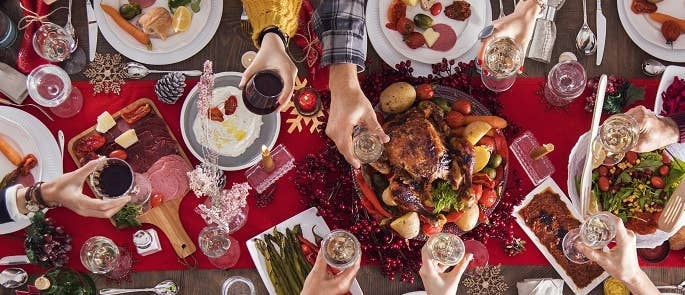
When we picture a Christmas dinner it’s typically a table overflowing with delicious food, hearty drinks and whatever box of crackers was on offer at the supermarket. Whilst this picture is synonymous with the joy of Christmas, for those in charge of making Christmas dinner it can make the thought of cooking dinner overwhelming before you’ve even begun! It can therefore be easier to think of a basic menu and build from there, this can also help to ensure you don’t buy more food than necessary and reduce food waste.
If you’re a lover of a Sunday roast then it can be helpful to use that as a foundation for your Christmas meal. You might not cook a turkey every Sunday but the basics of a roasted bird, or veggie alternative, with all the trimmings can easily be adapted for your Christmas dinner. That can be as simple as adding a few pigs-in-blankets as a side or swapping out your main dish for a festive turkey or nut roast. Below you will find a list of suggestions for your Christmas table. This is a general overview of items you may want to ensure are on your shopping list in preparation for the big day. There is a more in-depth list of suggestions provided in the free checklist below.
Christmas Food Shopping Checklist
- Nibbles – you could buy ready-made canapés, or the ingredients to make your own (e.g. rye bread with salmon and cream cheese, stuffed dates, sausage rolls, or anything you fancy!)
- Meat – i.e turkey, lamb, beef, goose or vegetarian/vegan alternatives such as a nut roast
- Vegetables – i.e. sprouts, cabbage, carrots, broccoli, parsnips, potatoes etc.
- Stuffing
- Sauce – i.e. bread sauce, cranberry sauce, mint sauce etc.
- Gravy
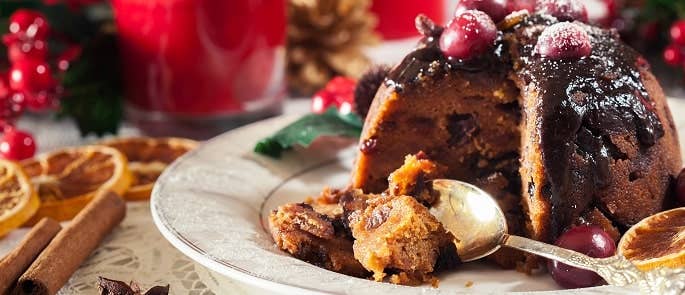
- Desserts and sweet treats – i.e. Christmas pudding, mince pies, Yule log, selection of cheeses etc.
How to Prepare Christmas Dinner
The key to a smooth and successful Christmas dinner is timing. Once you know what you want to cook and how much food you need to make, you need to plan how everything will be cooked and when. Taking the time to create a thorough and detailed plan might seem like overkill but it can save time and reduce stress on the day itself.
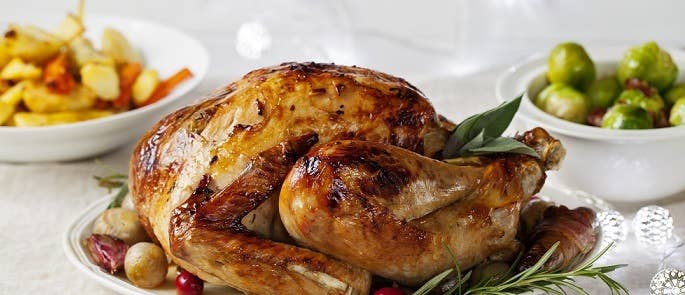
When it comes to cooking your main meat there are a myriad of different ways to do this. You may have a generations old family recipe that you turn to, or you may have total trust in Nigella Lawson’s turkey brine. However you decide to do it, it’s important that you ensure your main meat is fully cooked and that the thickest part of the meat has reached at least 75oC. You can learn more about safely cooking your Christmas turkey here.
When planning your timing it can be helpful to divide food into groups and prepare accordingly. For example:
Vegetables
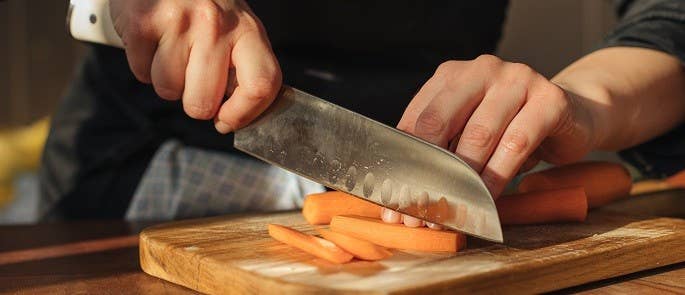
Vegetables can be prepped in advance to save you from having to spend hours chopping and peeling on the big day. You can peel and chop vegetables in advance and store them in water to keep them fresh and crispy. Many vegetables, such as carrots, contain water soluble vitamins so you can then use the same water to make your gravy to make sure you don’t lose those nutrients. You can also prepare, blanch and freeze vegetables and then reheat them on the day. Blanching refers to cooking vegetables in boiling water for a few minutes before putting them in ice water to cool quickly, helping them to retain their colour, texture and taste once frozen. You can then boil, steam or roast them from frozen when it’s time to cook.
Sides
Common Christmas dinner sides include yorkshire puddings, stuffing and pigs-in-blankets, all of which can be prepared in advance or bought ready-made and simply popped in the oven when needed. Yorkshire puddings can be made in advance, cooled on a rack and then frozen and stored in a freezer bag. They can then be reheated in the oven 10 minutes before serving. Stuffing can be frozen ahead of time and freezing it in balls can make reheating and serving much easier. If you want to stuff the bird that you are cooking, then defrost the stuffing overnight in the fridge and stuff the bird as normal. Finally pigs-in-blankets can be wrapped and frozen before cooking but you should check that the sausages that you have bought can be cooked from frozen first.
Sauces and Desserts
Sauces can easily be made in advance and kept in the fridge or freezer until needed. You can defrost any pre-made sauces in the fridge overnight and then heat them up slowly in a saucepan whilst everything else is cooking. Desserts such as a Christmas cake or pudding can also be made in advance and historically Christmas cake is made a few weeks before Christmas day to let the flavours mature.
Christmas Food Safety Tips
Cooking a Christmas dinner is a big ask and for most people it involves storing and cooking much larger quantities of food than usual. It’s therefore important to maintain a high standard of hygiene to ensure that all food is safe to eat and nothing goes to waste. Below you will find some tips to help keep food safe during Christmas dinner preparation and cooking.
- Don’t overload your fridge as this can prevent cool air from circulating properly. Decant food into tupperware if the original packaging is an awkward size and make good use of the freezer.
- Store meat in the fridge as soon as possible after purchase and place it on a tray or large plate on the bottom shelf of the fridge. This ensures that any blood or juices don’t drip onto other foods and contaminate them.
- Defrost any frozen meat in the fridge slowly overnight to reduce the risk of bacteria growth.
- Ensure that all meat is defrosted thoroughly before cooking.
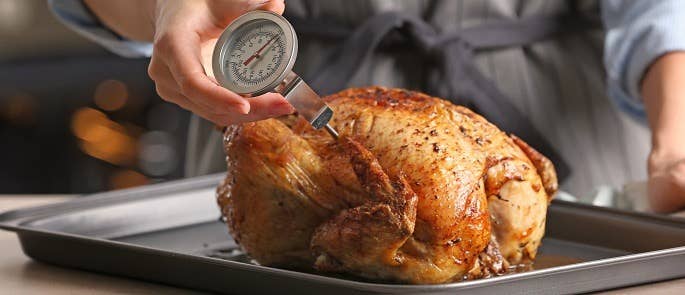
- Use a temperature probe to check that all meat is cooked thoroughly. Check the thickest part of the meat and ensure that the internal temperature has reached at least 75oC.
- Ensure that all leftovers have cooled properly before putting them in the fridge or freezer and make sure they are piping hot before eating.
You can test your knowledge on Christmas food safety with our handy quiz!
Free Christmas Dinner Checklist
Our Christmas dinner checklist will help you make sure that you’re completely prepared for the big day. It includes a list of things to buy, suggestions of quantities per person, tips on what to prepare before Christmas day and a suggested timeline for cooking on the day itself.
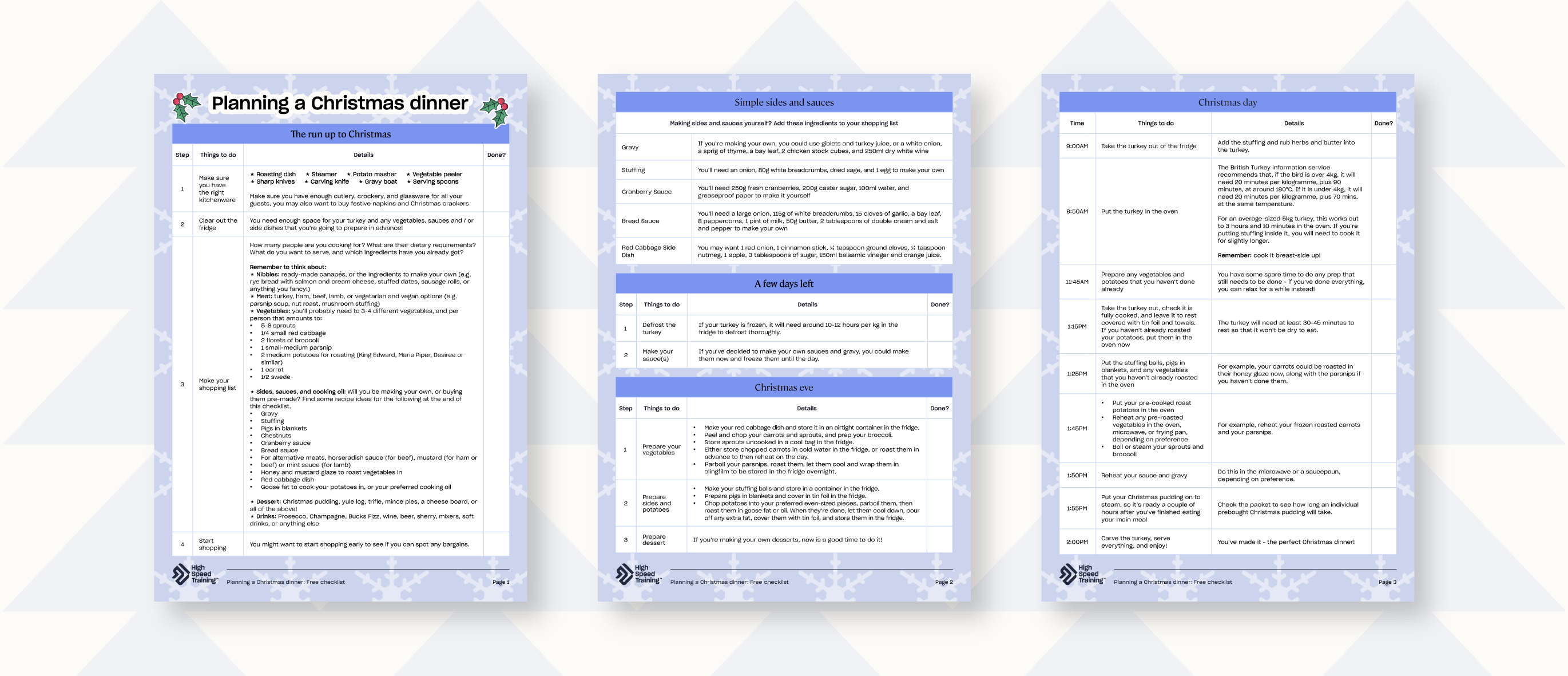
Download the free checklist below.
Christmas dinner is a time for family and friends to come together and celebrate. The thought of preparing this important feast can be daunting, however with careful planning and preparation in advance your Christmas dinner can be calm and bright!
Further Resources:
- Food Hygiene Training
- Christmas Food Safety Quiz
- How to Reduce Waste This Christmas: Tips & Advice
- Managing Your Mental Health at Christmas
- Fire Safety Tips for Christmas
- Turkey Food Safety: Tips for Christmas Food Safety


Post Author