

What is Ammonia?
 5 min read
Ammonia is an important industrial chemical that plays a vital role in many sectors, from agriculture to food manufacturing. It’s used because it’s effective, efficient and relatively cost effective. However, ammonia also presents serious health hazards if not handled correctly. In this article, we’ll outline what ammonia is, why ammonia is used, the dangers associated with ammonia and what to do if you suspect a leak or exposure.
What is Ammonia?
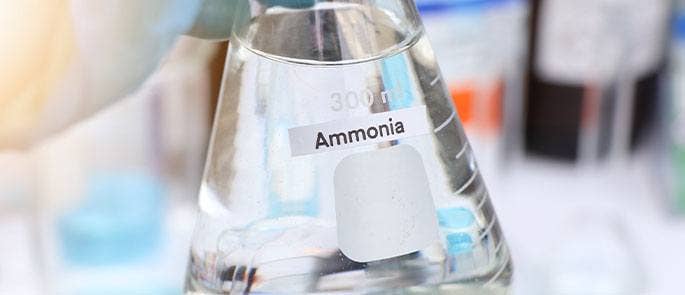
Ammonia is a chemical compound made up of nitrogen and hydrogen. Its chemical formula is NH?. At room temperature, ammonia is a clear, colourless gas with a strong, pungent smell.
Ammonia is lighter than air, at around half the weight, which means it can rise and spread quickly in confined spaces or poorly ventilated spaces. It also dissolves easily in water, forming a solution commonly known as ammonia solution or ammonium hydroxide.
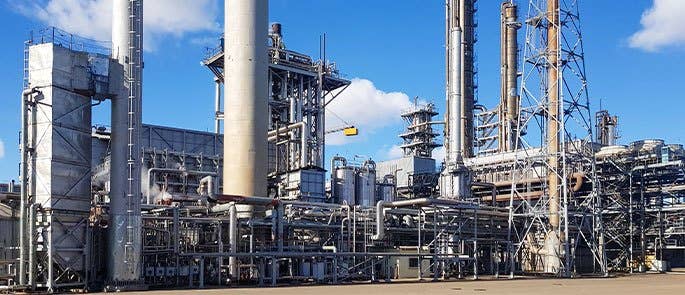
For industrial purposes, ammonia is often stored and transported as a liquid under pressure. When released, liquid ammonia rapidly turns back into a gas – which can significantly increase the risk during leaks or equipment failure.
What is Ammonia Used For?
Ammonia is widely used across many industries because of its efficiency, cost-effectiveness, versatility and sustainability. Ammonia is commonly used for:
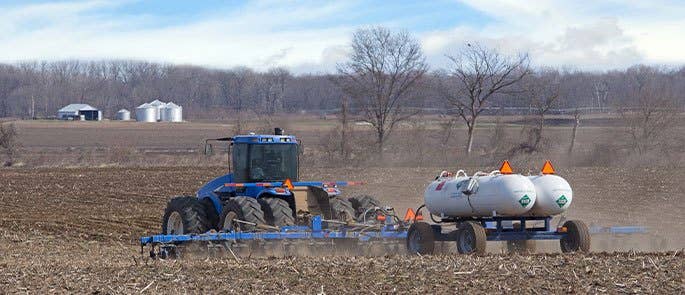
- Producing fertilisers for agriculture, supporting crop growth and food production.
- Manufacturing plastics, synthetic fibres, dyes, explosives and pharmaceutical products.
- Use in some household and industrial cleaning products as an effective degreaser.
- Acting as a refrigerant in large scale industrial refrigeration and cold storage systems.
- Supporting food manufacturing by keeping products stored and processed at safe temperatures.
In food manufacturing, ammonia is commonly used as a refrigerant in cold stores, freezers and processing facilities. It’s highly efficient at transferring heat and has a low environmental impact compared to other synthetic refrigerants. For this reason, it’s often found in large refrigeration plant rooms maintained by specialist refrigeration engineers.
Despite its benefits, ammonia must be carefully controlled. Food manufacturers have a duty of care to ensure that anyone working on or around ammonia systems, including maintenance engineers and contractors, is properly trained. This is particularly important as engineers may be called out during emergency situations, such as leaks.
Ammonia Health and Safety Training
Working safely with ammonia is closely linked to several key pieces of UK health and safety legislation. Training in these areas helps employers meet their legal duties and ensures workers understand how to manage ammonia safely. Relevant training includes:
- COSHH Training, which covers the control of hazardous substances and exposure risks.
- DSEAR Training, which applies wherever ammonia may present fire or explosion risks under certain conditions.
- PUWER Training, which ensures any equipment used to contain or control ammonia is suitable and properly maintained.
- COMAH Training, which applies to sites storing large quantities of ammonia and focuses on preventing major accidents.
Is Ammonia Dangerous?
Ammonia is dangerous because it‘s toxic, corrosive and irritating to the eyes, skin and respiratory system. The level of risk depends on the concentration, the duration of exposure and the environment in which exposure occurs.
Ammonia is highly toxic because it dissolves easily in water. When it comes into contact with moisture in the body, such as the eyes, skin or lungs, it forms a corrosive substance called ammonium hydroxide. This can cause serious chemical burns and damage to body tissues.
Low level exposure can cause immediate discomfort, while higher concentrations can lead to severe injury or even be life threatening. In enclosed spaces, such as plant rooms or cold stores, ammonia can quickly build up to dangerous levels.
Health Effects of Ammonia
Understanding the health effects of ammonia helps workers recognise the seriousness of exposure and the need to act quickly should exposure occur. Health effects of ammonia include:
- Irritation of the eyes, nose and throat.
- Coughing, chest tightness and difficulty breathing.
- Burns to the skin or eyes on contact with liquid or concentrated vapour.
- Nausea and vomiting following inhalation.
- Fluid build-up in the lungs after severe exposure.
High level exposure can result in permanent lung damage, loss of vision or even death. Repeated exposure may also reduce a person’s ability to smell ammonia, increasing the risk of prolonged exposure without warning.
How to Identify Ammonia
Most people become aware of ammonia through its strong, sharp smell, often described as being similar to cleaning products but much more intense. Even at low levels, ammonia can cause immediate irritation to the eyes and airways.
In some cases, visual signs such as a white vapour cloud or frost on pipework may indicate a leak from a refrigeration system. Alarms and gas detection systems are also commonly installed in industrial settings and should never be ignored.
If you suspect the presence of ammonia:
- Move away from the source immediately if it is safe to do so.
- Warn others in the area and follow site emergency procedures.
- Do not attempt to fix leaks unless you are trained and authorised.
- Contact emergency services or site response teams where required.
What to Do if You Inhale Ammonia
If you inhale ammonia, quick action can reduce the severity of injury. This means:
- Get to fresh air as quickly as possible.
- Loosen tight clothing and keep breathing steady.
- Seek medical attention, even if symptoms seem mild.
- Follow your workplace incident reporting procedures.
In food manufacturing and refrigeration environments, emergency plans should clearly set out evacuation routes, isolation procedures and who to contact. Regular training and drills also help ensure everyone knows how to respond in an emergency situation.
Ammonia is a highly effective industrial chemical, but it carries serious health risks if not managed properly. By understanding what ammonia is, where it’s used and how to respond to exposure or inhalation, workers and employers can create safer working environments and ensure their legal responsibilities are met.
Further Resources:



Post Author