
How Long Do Fire Extinguishers Last?
 5 min read
Fire extinguishers provide a first line of defence against small, controllable fires and can prevent serious damage or injury when used correctly. However, extinguishers are only effective if they are in good working order. In this article, we’ll explain how long fire extinguishers last and highlight key safety points to help fire wardens, managers, supervisors and employees stay compliant and prepared.
Do Fire Extinguishers Expire?
Fire extinguishers don’t have a use by date like food products, but they do have a limited lifespan. Most standard, portable fire extinguishers last between 5 and 15 years, depending on the type of fire extinguisher, environment it’s kept in and maintenance schedule.
An expired or poorly maintained extinguisher can be dangerous. It may fail to discharge, leak or even rupture under pressure. Over time, components can degrade, pressure can be lost and the extinguishing agent may become less effective.
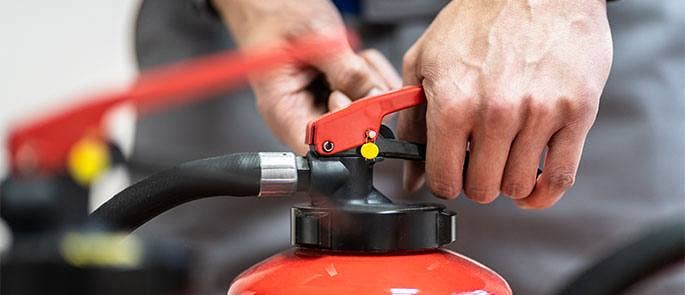
Relying on a faulty fire extinguisher during an emergency can put lives at risk and may leave your organisation non-compliant with fire safety regulations, such as the Regulatory Reform (Fire Safety) Order 2005.
In the UK, fire extinguisher maintenance is guided by BS 5306 standards. These recommend:
- Annual servicing by a competent person.
- Extended servicing at 5-year intervals for certain types of extinguishers.
- Hydraulic pressure testing every 10 years for refillable extinguishers.
Where is the Expiration Date on a Fire Extinguisher?
You can usually find the date when the fire extinguisher was manufactured stamped on the body of the extinguisher or printed on the label. This helps determine its age and when servicing or replacement may be required.
In some cases, the date can be hard to see due to wear, paint or dirt. Try viewing the surface in better lighting or gently cleaning the area where the stamp may be located to make it more visible.
When to Replace a Fire Extinguisher
Regular checks are essential to ensure the fire extinguishers in your workplace remain safe and effective. Fire wardens and responsible persons should carry out visual inspections and report any issues immediately. This responsibility should be documented in your workplace’s fire safety policy.
During routine checks, look out for the following warning signs that may indicate the fire extinguisher needs replacing. If any of these issues are present, the extinguisher should be serviced or replaced immediately:
- Visible damage, such as dents, cracks or corrosion.
- Signs of leakage or residue around the nozzle or valve.
- Faded, torn or missing labels that make instructions unreadable.
- A missing or broken safety pin or tamper seal.
- The pressure gauge needle in the red zone.
- Damaged, blocked or perished hoses.
- Evidence of unauthorised use or partial discharge.

Want to Learn More?
Ensure everyone in the workplace knows how to respond to fire risks safely with our range of online Fire Safety Courses, including Fire Extinguisher Training, Fire Warden Training and Fire Risk Assessment.
How to Dispose of a Fire Extinguisher
If a fire extinguisher has expired or is no longer in safe working condition, it must be disposed of correctly. Fire extinguishers are pressurised vessels and may contain chemicals that require controlled handling under the DSEAR Regulations.
Proper disposal of fire extinguishers helps to protect the environment, ensures legal compliance and prevents unsafe equipment from being reused.
To dispose of a fire extinguisher safely:
- Do not place fire extinguishers in general waste or recycling bins.
- Contact a licensed waste disposal contractor or your extinguisher service provider.
- Check whether the manufacturer offers a take-back or recycling scheme.
- Ensure the unit is fully depressurised by a qualified professional before disposal.
- Keep disposal records where required for workplace compliance.
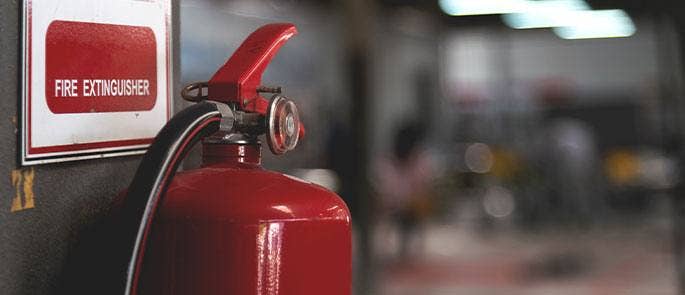
Fire extinguishers are essential safety tools for all workplaces, but they don’t last forever. Regular inspections, proper maintenance and timely replacement ensure they remain reliable in an emergency and your workplace remains prepared, compliant and safe at all times.
Further Resources:
- What Does PASS Stand For? Fire Extinguisher Use and Safety
- Fire Safety Policy: Free Template
- Fire Safety Courses



Post Author

You may also like