
How to Become a Builder
 5 min read
Construction skills are in high demand throughout the UK at present due to many current and planned developments and infrastructure schemes, plus residential renovation works – the CITB have also estimated in their Construction Workforce Outlook report that the construction sector will need to employ more than 47,000 additional people every year from now until 2029. The aim of this article is to provide information to anyone seeking information on commencing their career as a builder regardless if you are a school leaver, someone who wishes to change their career path or someone wishing to gain an understanding of all the possible roles available to them in the construction industry.
What is a Builder?
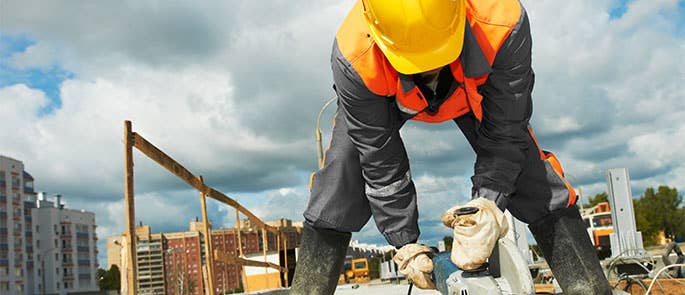
A builder is a skilled construction worker who creates, repairs, restores and renovates domestic, commercial and industrial structures. Builders can work on a job site from when the ground preparation begins until the job is completed. Builders can work for a large construction company, a smaller building company, or even start their own self-employed business.
The role is practical and typically site-based and requires a strong understanding of construction methods, materials and health and safety requirements.
Responsibilities of a Builder
The daily responsibilities of a builder can vary depending on the size and scope of the project, however most builders perform a wide variety of duties every day. Typical responsibilities for a builder can include:
- Preparing construction sites, including setting out and levelling.
- Laying foundations and building walls using bricks, blocks or other materials.
- Installing structural elements such as beams and lintels.
- Mixing and applying concrete, mortar and other materials.
- Carrying out repairs, maintenance and renovation work.
- Reading and interpreting technical drawings and plans.
- Working alongside other trades, such as electricians and plumbers.
- Following strict health and safety procedures on site.
- Communicating with clients, suppliers and other team members.
- Ensuring their work meets building regulations and quality standards.

Builder vs Contractor
There is some confusion surrounding the difference between a builder and a contractor, especially a main contractor. One person can be both a builder and a contractor on smaller projects, especially if they have their own building company, but there are specific differences between the two:
A builder is a “hands-on” construction worker who physically carries out the construction work. Builders usually work on smaller projects such as house extensions, renovations or new builds for homes. Builders typically undertake hands-on tasks such as bricklaying, framework and structural changes etc.
A contractor, particularly a main contractor, oversees the entire project and hires and coordinates the other subcontractors, such as plumbers, scaffolders and electricians. They will manage budgets, ensure all necessary planning permission is obtained and organise the scheduling of the works. Contractors are more likely to be involved in managing larger or more complex projects and will rarely carry out as much of the physical construction work themselves.
Builder vs Carpenter
While there is a degree of overlap between builders and carpenters, the two professions have completely different roles. Carpenters specialise in working with timber and will typically be involved in fitting doors, fitting stairs, building roof trusses and creating wooden frames. On the other hand, builders are a more versatile profession, with builders being able to undertake a variety of tasks including brickwork, groundwork and structural work etc.
If you would like to know about working with wood or have an interest in woodworking, we suggest that you also look at our how to become a carpenter article.
What Qualifications Do I Need to Be a Builder?
Regardless of the route you take to become a builder, there is no one definitive way into the industry. Your chosen route will depend upon your age, experience and whether you prefer a formal educational environment or a hands-on, on the job environment. Below are the most common paths into the profession:
Builder College Courses
Most people start their career as a builder by undertaking a college course in building or a related trade. Such courses will give you a foundation in practical skills, health & safety and construction theory. Examples of relevant qualifications are:
- Level 1 Diploma in Construction Skills
- Level 2 or Level 3 Diploma in Bricklaying
- Level 2 or Level 3 Diploma in Carpentry and Joinery
Builder Apprenticeships
Another of the most popular and effective ways to become a builder is to enter into an apprenticeship programme. In an apprenticeship you will receive hands-on experience of construction while studying. Apprenticeship length varies by standard and provider but are commonly around 12 to 42 months, with many trade apprenticeships around 18 to 30 months. There are many options for builder apprenticeships including:
- Bricklayer apprenticeship
- Construction site operative apprenticeship
- Groundworker apprenticeship
Further Builder Qualifications and Specialisations
Once you have gained experience as a builder, you can then choose to specialise in a particular area or obtain additional qualifications to enhance your career prospects. Additional qualifications can help you progress into a supervisory or managerial position. Examples of additional qualifications that you may wish to consider are:
- NVQs in Construction or Occupational Work Supervision
- Site management qualifications
- Health and safety certifications
To work on most construction sites in the UK you will need to have a valid Construction Skills Certification Scheme (CSCS) card or equivalent certification. The type of CSCS card you will need depends upon your role on site and, in most cases, you will need to pass a recognised health and safety test and hold a recognised qualification.

Looking for a Course?
All builders need a solid understanding of health and safety rules and regulations to be able to work safely and competently on-site. Our range of Online Health and Safety Courses covers everything you need to know, from Working at Height to Manual Handling and Ladder Safety.
What Skills Does a Builder Need?
To be successful as a builder, you will need a combination of practical skills and personal attributes. Practical skills are generally referred to as hard skills, which relate to your technical knowledge and practical abilities and personal attributes are generally referred to as soft skills, which relate to your behaviour, communication and attitude to work.
Builder Hard Skills
You need to have a strong technical knowledge base and practical competence to be a successful builder. Most of these skills will be developed through formal education and hands-on experience. Key builder hard skills include:
- Knowledge of construction methods and materials.
- Ability to read and understand technical drawings.
- Practical competence to operate hand and power tools safely.
- Understanding of building regulations and standards.
- Awareness of health and safety practices.
- Mathematical skills to measure and calculate materials.
Builder Soft Skills
As well as having the appropriate technical ability, you also need to have a good set of soft skills to enable you to build relationships with clients, colleagues and other tradespeople. Key builder soft skills include:
- Effective communication skills.
- Teamwork and collaboration.
- Problem solving.
- Time management.
- Attention to detail.
- Reliability and a strong work ethic.

How to Become a Builder
The construction industry is a long-term career choice with many opportunities to advance and work on a diverse range of projects. For those that enjoy problem solving and working in a hands-on environment, a career as a builder can be a stable and rewarding choice.
To become a builder follow these simple steps:
- Complete a relevant qualification either via a college course or an apprenticeship.
- Gain a CSCS card to work on construction sites.
- Gain practical experience on-site.
- Develop both technical and soft skills.
- Specialise or gain additional qualifications as your career develops.
As a builder gains experience, they can then progress into positions such as site supervisor, site manager or main contractor. Some builders may even choose to establish their own building company and achieve greater independence.
If you are interested in a job where you will be doing something physically every single day and wish to have a career that has variety daily, then a job as a builder could be perfect for you. By getting the appropriate training and experience, you will be able to secure a rewarding career in the building trade.
Further Resources:
- Online Health and Safety Courses
- How to Become a Construction Worker
- Careers in Construction Industry: Opportunities and Roles
- What is a Labourer?


Post Author

You may also like