
How to Control Slips, Trips and Falls Hazards: Free Risk Assessment Template
 7 min read
Slips, trips and falls are among the most common causes of workplace injuries across all industries. From minor bruises to serious fractures, they can lead to lost working time, reduced productivity and increased costs for businesses. In this article, we’ll outline the hazards you need to be aware of when it comes to slips, trips and falls, guide you through how to carry out a risk assessment and provide a free risk assessment template to help you get started.
What are Slips, Trips and Falls Hazards in the Workplace?
Slips, trips and falls refer to incidents where a person loses their balance and falls due to unsafe conditions. While they are often grouped together, they have slightly different causes:
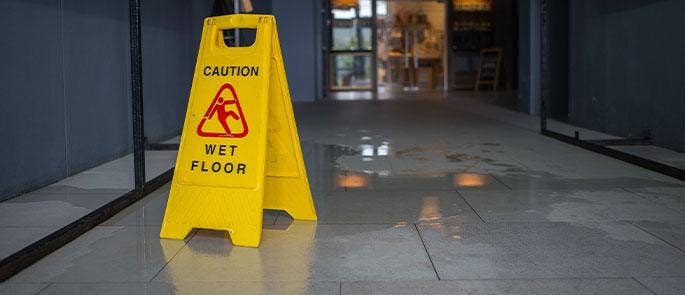
- Slips happen when there is too little friction between footwear and the floor, often due to wet or contaminated surfaces.
- Trips occur when a person’s foot strikes an object or uneven surface, causing them to lose balance.
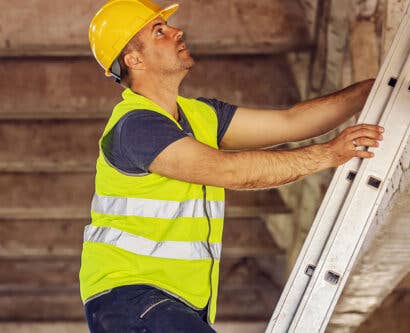
- Falls can result from slips or trips, or from working at height where proper precautions are not in place.
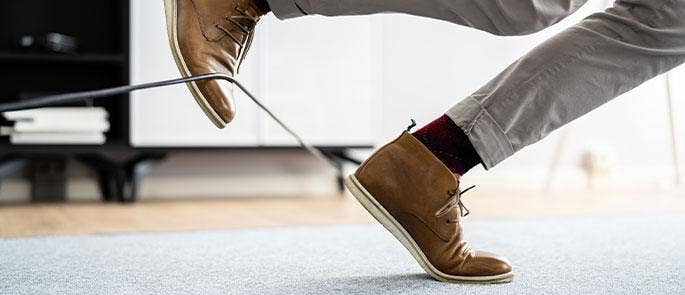
Common hazards that lead to slip, trip and fall incidents include wet floors, trailing cables, uneven surfaces, poor lighting and cluttered walkways. Identifying these hazards is the first step in preventing accidents and the first step of your risk assessment.
Slips, Trips and Falls Statistics
Slips, trips and falls are a leading cause of workplace injuries in the UK. They account for a significant proportion of non-fatal accidents reported each year and are a major cause of injuries to both employees and members of the public. Key statistics include:
- Slips and trips cost UK employers approximately £512 million per year.
- On average, slips, trips and falls cause 40% of all reported major injuries.
- Slips, trips or falls on the same level (i.e. not from height) was the most common employer reported kind of non-fatal accident in 2024/25.
- Slips, trips and falls on the same level accounted for 24% of over-7-day injuries in 2024/25.
- Falls from a height accounted for over a quarter of all work-related fatalities over the last five years.
Slips, Trips and Falls Hazards Control Measures
Putting the right control measures in place is essential to reduce the likelihood of slips, trips and falls occurring in your workplace. These measures should be tailored to your specific workplace and be reviewed regularly to ensure they remain effective.
Below are 10 examples of slips, trips and falls control measures that you may need to consider implementing as part of your risk assessment:
- Keep floors clean and dry at all times, and deal with spills immediately.
- Use appropriate floor coverings that provide good grip, especially in high-risk areas.
- Ensure walkways and corridors are kept clear of obstacles and clutter.
- Secure or cover cables to prevent them becoming trip hazards.
- Provide adequate lighting so hazards can be clearly seen.
- Install handrails on stairs and ramps where needed.
- Use signage to warn of temporary hazards, such as wet floors.
- Maintain flooring and repair uneven surfaces promptly.
- Provide suitable footwear where necessary, particularly in environments prone to spills.
- Train staff to recognise hazards and report them quickly.
How to Do a Slips, Trips and Falls Risk Assessment
Carrying out a risk assessment helps you identify slip, trip and fall hazards, evaluate the risks and decide on appropriate control measures. It also ensures you meet your legal responsibilities for workplace health and safety. Follow these steps to complete a slips, trips and falls risk assessment in your workplace:
Step 1 – Identify the hazards
Look for anything in the workplace that could cause a slip, trip or fall. This includes things like uneven floors, blocked walkways, stairs, low lighting conditions and poor housekeeping practices. Slips, trips and falls will each have their own unique hazards, so be sure to consider each of them as three separate potential accidents.
Step 2 – Decide who might be harmed and how
Consider all employees, visitors, contractors and members of the public who may be on your work premises and think about how they might be affected by the hazards you have identified. Some people may be more vulnerable to risks than others and so will need extra consideration, such as those with disabilities, older and younger workers or people who are only in the workplace infrequently.
Step 3 – Evaluate the risks and implement controls
Assess how likely it is that harm could occur and how serious the consequences might be. Then, think about the control measures needed to reduce the likelihood of harm to as low as is reasonably practicable. Ensure these control measures are implemented to reduce the risk to an acceptable level (low residual risk).
Step 4 – Record your findings
Documenting the hazards, risks and control measures you’ve found is an essential part of the risk assessment process. This helps you keep track of what’s been done and what needs to be done and helps demonstrate compliance with legal requirements. Recording your findings is required by law if you employ 5 or more people, but is recommended for all workplaces.
Step 5 – Review and update the assessment
Regularly review your risk assessment and check whether any new risks have emerged or if new control measures are required. This is especially important if there are changes in the workplace, new work processes or new staff members. It’s also vital to review your risk assessment after an incident occurs.
Slips, Trips and Falls Risk Assessment Template
A slips, trips and falls risk assessment template can make the process easier by providing you with a clear structure to follow. It also helps ensure you consider all relevant factors and record your findings consistently.
You can download the free template here:
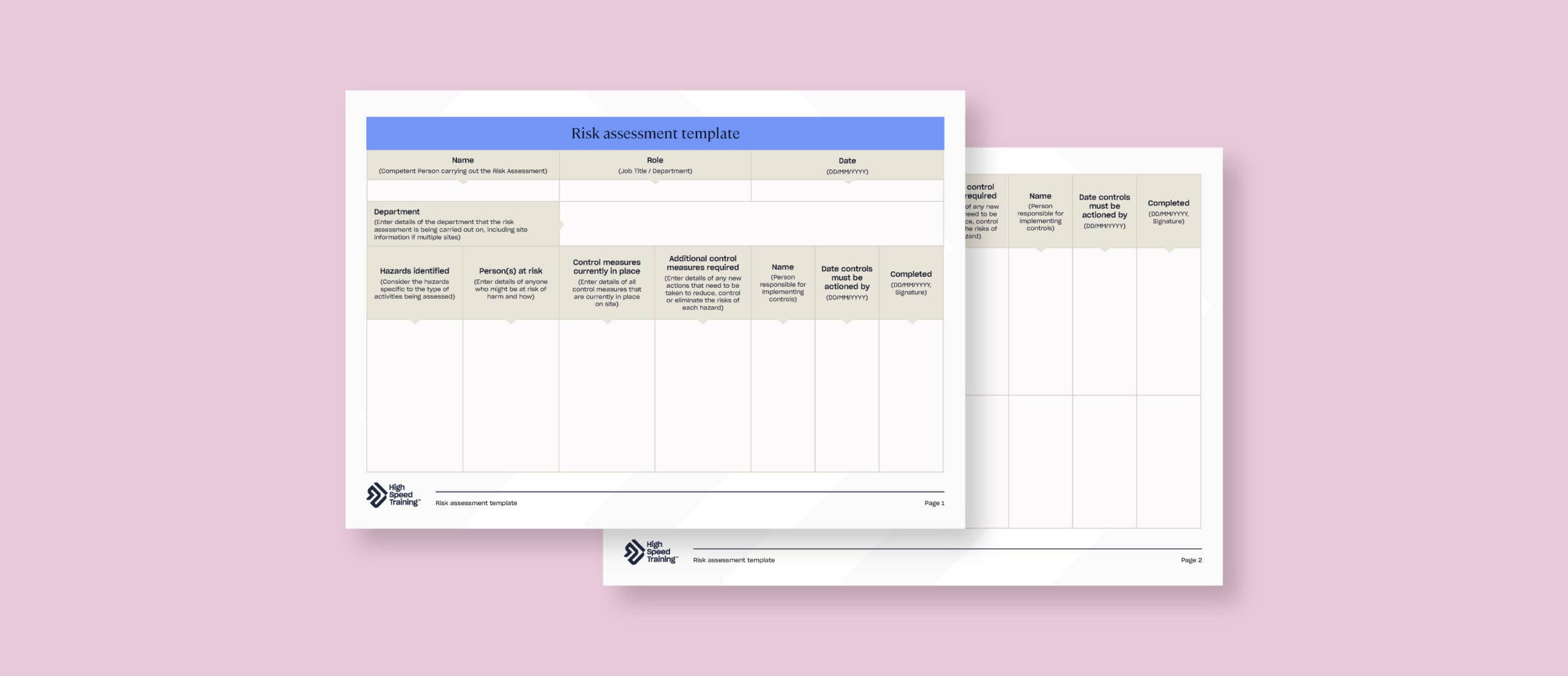
To complete the risk assessment template, start by walking through the workplace and noting any hazards, then assess the level of risk for each hazard and record any existing control measures. Next, you’ll need to identify any further actions required to reduce the risk to a lower level, and assign responsibility for completing these tasks.
You can download a simple example of a slips, trips and falls risk assessment here:
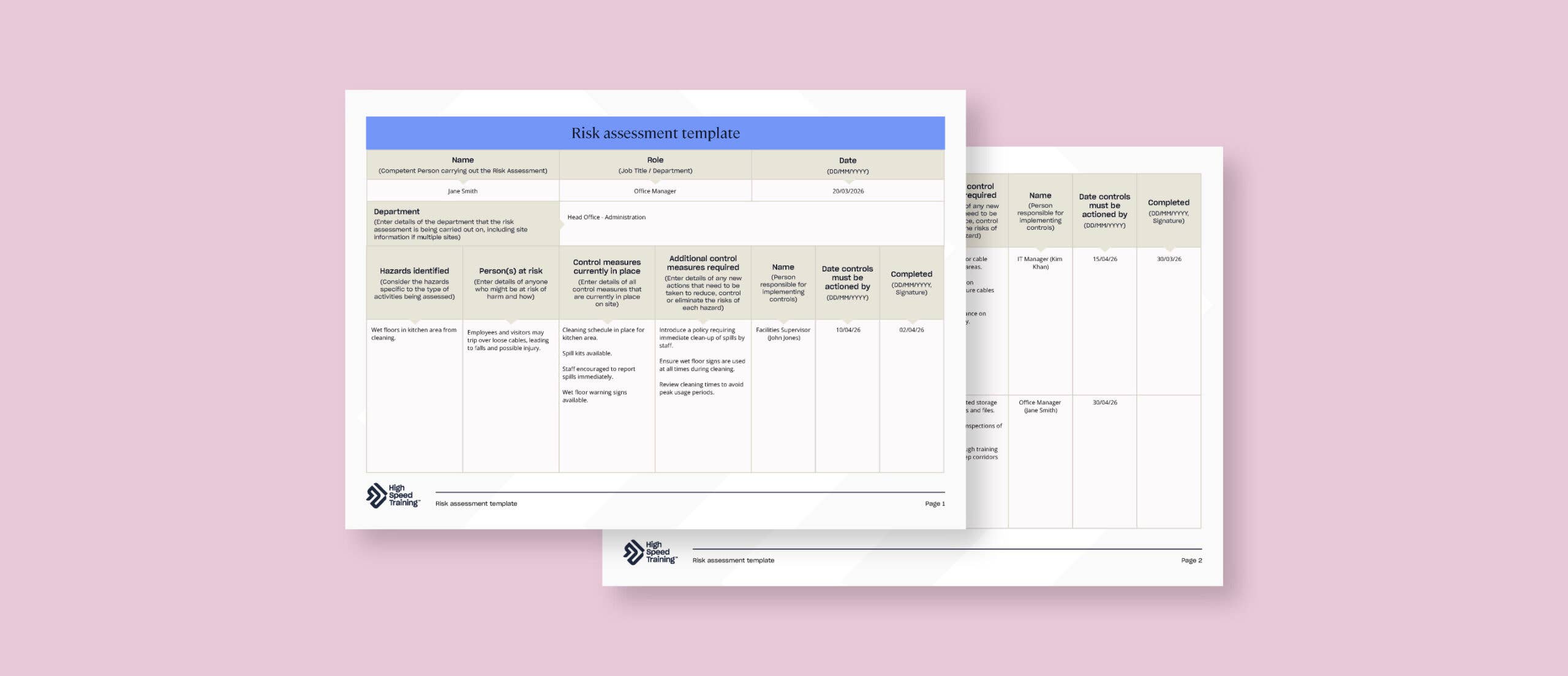
Slips, trips and falls can have serious consequences and managing them is a key part of workplace safety. By taking the time to carry out a thorough slips, trips and falls risk assessment and put effective control measures in place, you not only meet your legal duties but also contribute to a safer, more productive working environment.
Further Resources:
- A Guide to the Most Common Workplace Hazards
- Tips for Preventing Slips, Trips, and Falls in the Workplace
- Slips, Trips & Falls Online Training Course


Post Author

You may also like