
What is a Temporary Works Coordinator?
 4 min read
Temporary works are an essential part of almost every construction project, helping to safely support permanent works while they are being built. Because these temporary structures often involve significant risks, they must be carefully planned, designed, managed and monitored throughout the project. This is where a Temporary Works Coordinator (TWC) plays a vital role. In this article, we’ll explain what a Temporary Works Coordinator does, their key responsibilities, the qualifications of a Temporary Works Coordinator and how you could secure a role in this area of construction.
What is a Temporary Works Coordinator?
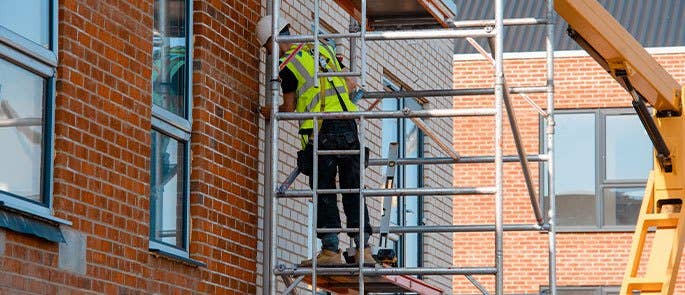
Temporary works are structures or systems that are needed during construction but are not intended to form part of the finished building or infrastructure. Examples include scaffolding, formwork, falsework, shoring, excavation support, hoardings and temporary bridges.
A Temporary Works Coordinator (TWC) is responsible for managing the temporary works process on a construction project. They oversee the planning, coordination and control of temporary works to ensure they are designed, installed, used, inspected and dismantled safely.
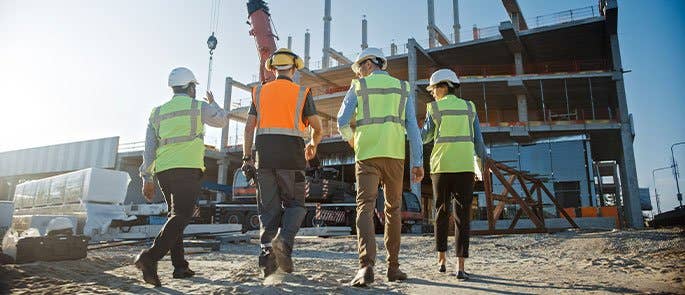
The Temporary Works Coordinator acts as the link between designers, contractors, site managers and other project teams. They help ensure everyone understands the temporary works requirements and that suitable procedures are followed throughout the project.
Although the TWC is responsible for coordinating the temporary works process, they’re not usually the person who designs the temporary works. Instead, they ensure competent designers are appointed where required and that all designs are checked, approved and implemented correctly.
While it’s not a legal requirement to have a TWC, appointing one is considered best practice and helps organisations meet their duties under the Health and Safety at Work etc. Act 1974 and the Construction (Design and Management) Regulations 2015 (CDM 2015).
Temporary Works Coordinator Responsibilities
A Temporary Works Coordinator has a wide range of responsibilities that help ensure temporary works are safely managed from start to finish. They provide oversight throughout the temporary works process, ensuring risks are identified, designs are appropriate and work is completed safely.
While responsibilities may vary depending on the size and complexity of a project, they typically include:
- Developing and managing the temporary works procedure for the project.
- Identifying where temporary works are required.
- Ensuring suitable temporary works designs are prepared by competent designers.
- Checking that designs have been independently verified where necessary.
- Coordinating communication between designers, contractors, supervisors and site teams.
- Making sure temporary works are installed in accordance with the approved design.
- Arranging inspections before temporary works are brought into use.
- Confirming that temporary works are safe before authorising loading or use.
- Monitoring temporary works throughout the construction phase.
- Ensuring any changes to the design are properly assessed and approved before being implemented.
- Keeping accurate records, permits and temporary works registers.
- Arranging for temporary works to be dismantled safely once they are no longer needed.
- Helping investigate issues or incidents involving temporary works where required.
- Promoting a positive safety culture on site.
- Helping ensure everyone understands their responsibilities and that work is carried out in line with the agreed procedures.
What Qualifications Does a Temporary Works Coordinator Need?
Most people move into the role of TWC after gaining practical construction experience alongside additional training in temporary works management, rather than gaining a dedicated qualification.
Useful qualifications and experience may include:
- Experience working within the construction industry, particularly in supervisory, engineering or site management roles.
- A recognised qualification in construction, civil engineering or a related discipline.
- A good understanding of temporary works procedures and industry guidance.
- Knowledge of the Construction (Design and Management) Regulations 2015.
- A valid CSCS card where required by the employer.
- Relevant health and safety training, such as Site Management Safety Training (SMSTS) or Site Supervision Safety Training (SSSTS), depending on the role.
- Temporary Works Coordinator training that covers the responsibilities, procedures and best practice expected of the role.

Many employers expect candidates to complete recognised Temporary Works Coordinator training based on the guidance produced by the Temporary Works Forum. Our online course explains how to manage the temporary works process effectively and provides the knowledge needed to fulfil the role confidently.
How to Secure a Job as a Temporary Works Coordinator
Becoming a Temporary Works Coordinator usually involves obtaining construction experience before progressing into a more specialised coordination role. Employers typically look for candidates who have practical knowledge of construction projects and can demonstrate a strong understanding of health and safety. There are several steps that can improve your chances of securing a Temporary Works Coordinator position:
Gain construction experience – most Temporary Works Coordinators begin their careers in other construction roles such as a Site Operative, Site Supervisor, Site Engineer, Construction Manager, Civil Engineer or Project Manager. Working on active construction sites allows you to develop an understanding of temporary works and how different teams work together to deliver projects safely.
Develop your technical knowledge – learning about temporary works procedures, structural principles and construction safety will help prepare you for the role. Familiarity with industry guidance and relevant legislation can make you a stronger candidate during recruitment.

Complete relevant training – employers are more likely to consider applicants who have completed recognised Temporary Works Coordinator training. Additional health and safety qualifications can also demonstrate your competence and commitment to safe working practices.
Build your leadership skills – Temporary Works Coordinators regularly communicate with designers, contractors, clients and site teams. Developing skills in communication, organisation, decision-making and problem-solving will help you succeed in the role.
Prepare for interviews – construction employers often assess both your technical knowledge and your approach to managing health and safety. Preparing examples of previous projects, demonstrating your understanding of temporary works procedures and showing how you would manage risk can help you stand out. See our guide to Construction Interview Questions for more.
As you gain experience, you may also have opportunities to progress into senior site management, project management or engineering roles, making Temporary Works Coordinator an excellent career path for those interested in construction safety and project delivery.
Temporary Works Coordinators play an essential role in keeping construction projects safe, organised and compliant. By overseeing the temporary works process from planning through to removal, they help reduce risks while supporting projects to run efficiently. If you already have construction experience and enjoy problem-solving, leadership and health and safety, becoming a Temporary Works Coordinator could be a rewarding next step in your career.
Further Resources:
- Online Health and Safety Courses
- Careers in Construction Industry: Opportunities and Roles
- What are Temporary Works?




Post Author

You may also like