

The 4Cs of Food Safety
 5 min read
Upholding high standards of food hygiene helps to keep people safe. Anyone who handles food, whether that be in a professional kitchen or a domestic setting, should understand the importance of food safety. A comprehensive understanding of basic food safety practices maintains high standards and reduces unnecessary risks. The 4Cs of food safety are a set of basic practices that reduce risk and ensure good food hygiene. In this article we will outline everything you need to know about the 4Cs of food safety.
What are the 4Cs of Food Safety?
The 4Cs of food safety are the four core elements of good food hygiene. The Food Standard’s Agency (FSA) notes that the 4Cs can be used to prevent the most common food safety problems. Maintaining the 4Cs can reduce the risk of undue harm from bacteria by ensuring surfaces are kept clean, destroying bacteria with heat, preventing its growth via temperature control and preventing cross-contamination.

Looking for More?
Comprehensive food safety training ensures that staff know how to handle food hygienically, keeping customers and members of the public safe. Our wide range of Food Hygiene Courses will provide you with the knowledge to handle food safely and uphold high standards of food hygiene.
Cleaning
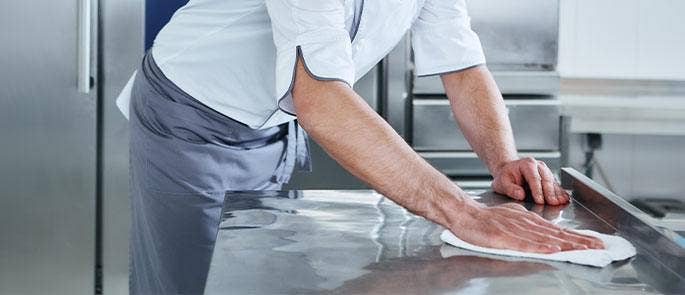
Effective cleaning of equipment and surfaces prevents harmful bacteria from spreading. Cleaning with warm, soapy water or using disinfectant cleaning products lowers the chances of people getting sick and bacteria spreading.
To avoid the spread of harmful bacteria you should regularly clean:
- Hands
- Work surfaces
- Chopping boards
- Utensils, dishes and cooking equipment
- Dish cloths, sponges and tea towels
- High touch areas such as door handles, bins, light switches and electronic devices
The FSA also advises that you should:
- Clean and disinfect food areas and equipment between different tasks
- Clean as you go
- Use cleaning and disinfection products that are suitable for the job
- Ensure disinfection products meet BSN standards
- Not let food waste build up
- Use a cleaning schedule to make sure surfaces and equipment are regularly cleaned
When using disinfectant cleaning products it’s important that they are suitable for food contact surfaces. You should always follow the manufacturer’s instructions, paying particular attention to contact time. The FSA notes that this is important as improper use can cause chemical contamination or increase the risk of tainting food.
There are three types of cleaning products that are typically used in a kitchen. These are:
- Detergents – These clean surfaces and remove grease and dirt, however they do not kill bacteria and viruses.
- Disintectants – These kill bacteria and viruses and should be used on a visibly clean surface as they are not as effective when used on surfaces covered in grease and dirt.
- Sanitisers – These can be used to both clean and disinfect surfaces and equipment as part of a two-stage approach. This approach requires firstly using the sanitiser to clean the surface, removing it of any dirt, food or grease and then re-applying the sanitiser once clean to disinfect the surface.
Inadequate cleaning practices is one of the most common reasons why food businesses are prosecuted and so its importance must not be underestimated.
Cooking
Thoroughly cooking food kills harmful bacteria whilst undercooked food can cause food poisoning. When cooking, best practice is to cook food until it has reached a core temperature of 70°C for 2 minutes.
Cooking food at the correct temperature for the correct amount of time ensures that harmful bacteria is killed. Whilst 70°C is the standard advice, other time and temperature combinations will successfully kill harmful bacteria. These are:
- 60°C for 45 minutes
- 65°C for 10 minutes
- 70°C for 2 minutes
- 75°C for 30 seconds
- 80°C for 6 seconds
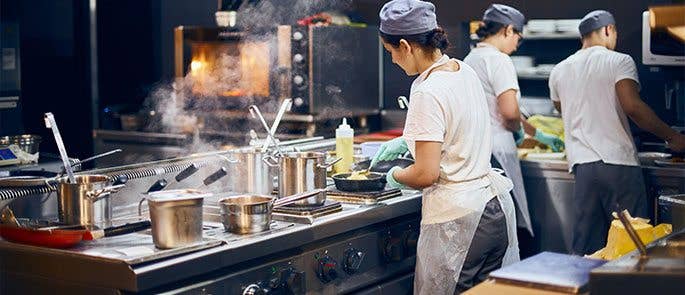
There are a myriad of different ways to cook food, however they typically fall under one of three main categories; dry heat, moist heat and combination cooking. Regardless of which method you use you must ensure that:
- Food is cooked completely before serving
- Cooking environments are kept clean
- Food is piping hot all the way through
- Food is kept out of the temperature danger zone
- Reheated food is heated properly till it is steaming hot
A food thermometer is a useful way to check the internal temperature of food and can be used to ensure that food is cooked properly.
Chilling
Properly chilling food stops harmful bacteria from growing. Food should be kept out of the temperature danger zone to ensure that it is safe to eat. Whilst cooking food raises the temperature and successfully kills bacteria, chilling food can also keep food out of the danger zone and help stop bacteria from growing. The FSA notes that generally, the colder the temperature, the slower bacteria will grow, however that doesn’t necessarily mean that it will stop bacteria from growing altogether.
Chilling food will not kill bacteria but it does prevent the normal growth of any bacteria that may be present and delay the deterioration of food.
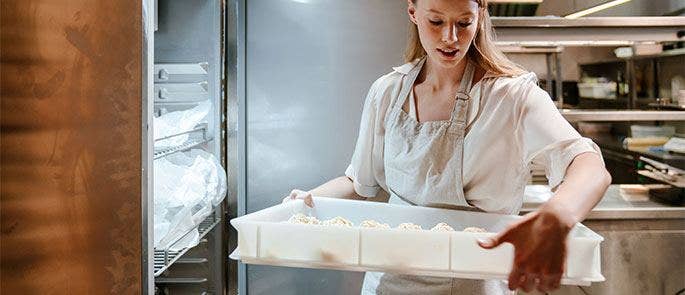
The two main ways to chill food are by freezing it or putting it in the fridge.
Storing food in the fridge:
Cold food must legally be kept at 8°C or below in England, Wales and Northern Ireland. The FSA recommends that fridges be set at 5°C or below to make sure that food is kept cold enough and to allow for any fluctuations in temperature. When storing food in a fridge it’s important to store food correctly on the right shelves and to regularly clean it in order to maintain a safe and hygienic fridge and kitchen environment.
When storing food in the fridge:
- Follow any manufacturer’s storage instructions
- Put food that needs to be chilled in the fridge right away
- Cool cooked food as quickly as possible before putting it in the fridge
- Keep chilled food out of the fridge for the shortest time possible during food preparation
- Regularly check your fridge temperature to ensure that it’s cold enough
Storing food in the freezer:
Food can also be kept outside of the temperature danger zone in the freezer. It’s recommended to keep frozen foods at a temperature of -18°C or below.
When storing food in the freezer:
- Put frozen food in the freezer straight away
- Freeze fresh food as soon as it has been prepared
- Divide food into smaller portions and store it in containers or freezer bags before freezing
- Label frozen food so that you don’t end up with Unidentified Frozen Objects (UFOs)
- Cool dishes before putting them in the freezer
- Freeze leftovers and homemade goods as soon as possible
- Freeze fresh food before midnight on the use-by date and re-label correctly
Cross-Contamination
Cross-contamination occurs when bacteria spreads between food, surfaces or equipment. Harmful cross-contamination is most likely to occur when raw food comes into contact with ready-to-eat food, for example if raw meat drips onto a salad, the bacteria from the meat will spread to the salad.
There are many different ways to avoid cross-contamination such as:
- Keeping raw food covered
- Storing raw food separately from ready-to-eat foods
- Regularly washing hands, especially after handling raw meat, fish and poultry
- Using different choppings boards for raw and cooked food
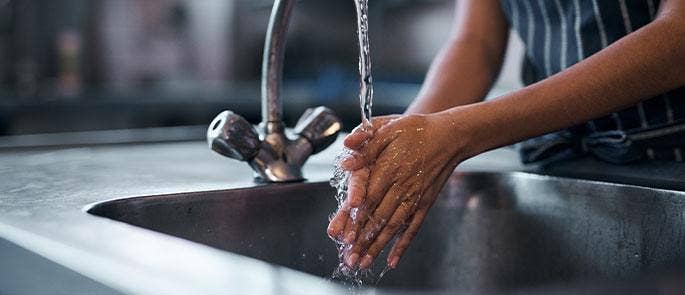
Cross-contamination can have incredibly harmful consequences, however it is not solely bacteria that can be spread via cross-contamination. Contamination can also occur when allergens spread from one food to another, this is known as allergenic contamination of food. As well as allergenic contamination, there are four types of food contamination which spread harmful substances. The four types of food contamination are:
- Allergenic contamination
- Microbial contamination
- Physical contamination
- Chemical contamination
To prevent cross contamination the FSA advises:
- Cleaning and disinfecting work surfaces
- Using different equipment for raw and ready-to-eat food
- Regularly washing your hands
- Storing raw and ready-to-eat food separately
- Providing separate food preparation areas or thoroughly disinfecting preparation areas between uses if this is not possible
- Using separate cleaning materials such as clothes, sponges and mops
The 4Cs of food safety are the foundation for good food hygiene and can be used to prevent the most common of food safety problems. Following the 4Cs can help you to manage food hygiene, build robust safety procedures and maintain a safe kitchen environment.
Further Resources:
- Promoting a Food Safety Culture: Free Assessment Guide
- How to Prepare for an EHO Inspection: Free Checklist
- Food Hygiene Courses


Post Author