

Legionella Risk Assessment: Free Template
 4 min read
Legionella bacteria can cause serious illness if they grow and spread through water systems that are not properly managed. Identifying these risks early and putting suitable control measures in place is essential to protect anyone who may be exposed to harm. In this article, we’ll explain what a legionella risk assessment is, who is responsible for carrying one out and how to complete a legionella risk assessment. We’ll also provide a free risk assessment template to help you record your findings and meet your legal duties.
What is a Legionella Risk Assessment?
A legionella risk assessment is a systematic review of the water systems in a premises to identify whether conditions could allow legionella bacteria to grow and spread. Its purpose is to assess the level of risk and decide what control measures are needed to reduce that risk to an acceptable level.
The legionella risk assessment looks at all aspects of water systems, including factors such as water storage, water temperature, system design, usage patterns and maintenance arrangements. It also considers who may be exposed to the risk and how severe the consequences could be if control measures fail.
Under the Management of Health and Safety at Work Regulations, employers and anyone in control of a premises must carry out suitable and sufficient risk assessments. In addition, the Control of Substances Hazardous to Health Regulations (COSHH) and the Approved Code of Practice for the control of legionella bacteria (ACoP L8) place specific duties on duty holders to assess and manage the risks from legionella in water systems.
Who Can Carry Out a Legionella Risk Assessment?
The responsibility for ensuring a legionella risk assessment is carried out sits with the person (or persons) who has overall control over the premises or water system. This person is known as the duty holder.
The legionella risk assessment should always be carried out by a competent person. This may be the duty holder themselves, someone within the organisation with sufficient knowledge, training and experience, or it could be an external specialist.
Examples of people who may be the duty holder include:
- Employers with employees or other people, such as residents, patients, visitors or contractors, who may be exposed to health risks from legionella bacteria.
- Owners or landlords of premises, such as hotels, residential accommodation, care homes or hospitals.
- Those who are self-employed and are responsible for water systems where they or others are exposed to risks from their work activities.
- Installers of water systems, who have to ensure that the system is properly installed to minimise legionella bacteria risks.
- Any other person who is in control of a premises or water systems in a building where work is carried out.

Want to Learn More?
Our Legionella and Legionnaires’ Disease Awareness Training Course is designed to help duty holders understand their responsibilities and recognise how to manage the risks from legionella effectively.
How to Do a Legionella Risk Assessment
Carrying out a legionella risk assessment doesn’t need to be complicated but it should be thorough and proportionate to the level of risk. Following a clear, structured process, as outlined below, helps ensure nothing important is missed and makes it easier to review and update the risk assessment over time.
The key steps involved in a legionella risk assessment are:
- Identify the hazards by examining water systems and equipment that could allow legionella bacteria to grow and spread.
- Determine who might be harmed and how, including employees, residents, visitors, contractors and members of the public.
- Evaluate the risks and decide on appropriate control measures, such as temperature controls, flushing regimes, cleaning and maintenance.
- Record your findings, including significant risks identified and the control measures put in place.
- Monitor, review and update the assessment regularly or when there are changes to the water system, building use or occupancy.

Recording your findings is a vital part of the process. Legionella risk assessment records should include details about:
- The person responsible for conducting the risk assessment.
- Any significant findings of the risk assessment.
- The control measures, and where and how they have been implemented.
- Details about the state of operation of the water system, including any parts that are not in use and arrangements to monitor these or remove them to prevent future risk.
- The results of any monitoring, inspections, tests or checks that have been carried out and the dates of when these occurred.
Records of monitoring, inspections, tests or checks that have been carried out must be retained for as long as they are current and relevant and for at least five years from the date of the last entry.
Legionella Risk Assessment Template
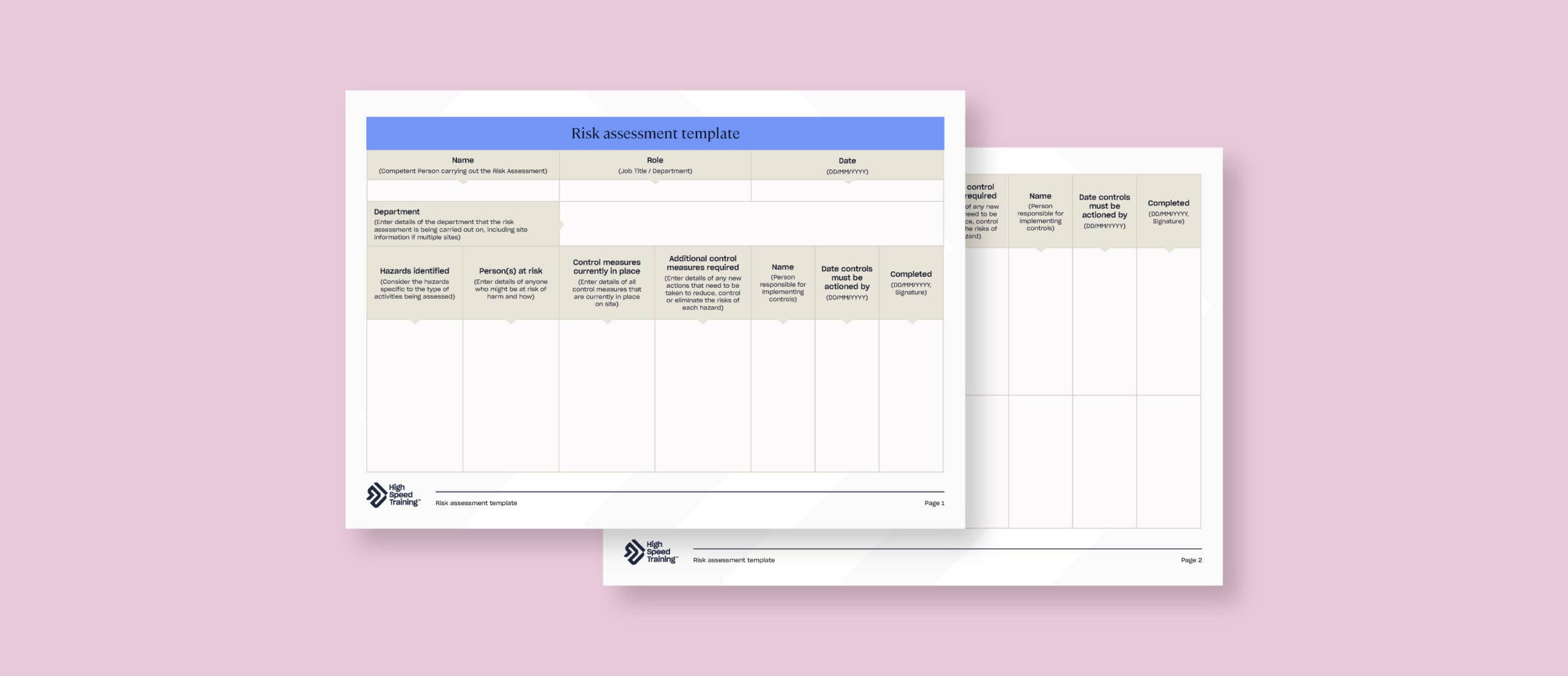
Using a clear, structured risk assessment template can make the process easier and help ensure you capture all the required information. Our free risk assessment template below can be used to support your own workplace legionella risk assessment and can be adapted to reflect the specific features of your water systems and premises. The template helps you document your findings clearly and demonstrates that you have taken reasonable steps to manage the risk.
You can download the free risk assessment template here:
Whether you are an employer, landlord or other person in control of premises, assessing and managing the risks from legionella bacteria risk is essential. By understanding your responsibilities, carrying out a suitable risk assessment and keeping accurate records, you can reduce risks and demonstrate compliance with UK health and safety law.
Further Resources:
- Legionella and Legionnaires’ Disease Awareness Training Course
- What is a Competent Person?
- What is ACOP L8 and How Does it Apply to Legionella?


Post Author

You may also like