
Electric Blanket Safety
 5 min read
Electric blankets are designed to provide warmth using electrically heated elements that are built into the blanket. They can be useful for keeping warm during colder weather but, like any other electrical appliance, they need to be used and maintained correctly. In this article, we’ll explain the main fire hazards associated with electric blankets, how to use an electric blanket safely, what to look for when buying one and when they should be replaced.
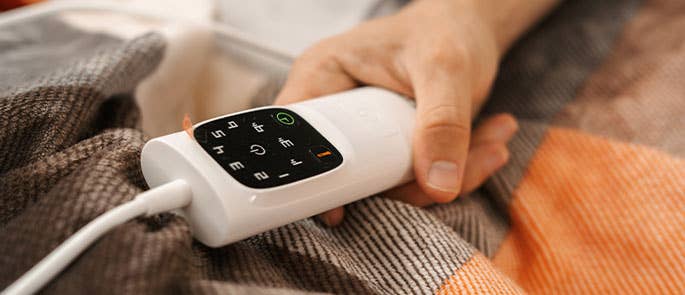
Electric Blanket Fire Hazards
Electric blankets can become a fire hazard when they are damaged, incorrectly used or allowed to overheat. The heating elements and wiring can deteriorate over time and any sort of folding, bunching or trapping of the blanket can damage the internal wiring and create hot spots.
If you notice scorching, exposed wires, unusual smells, buzzing, overheating or any other damage, stop using the electric blanket immediately and replace it.
Common electric blanket fire hazards include:
- Exposed, damaged or frayed wires.
- Scorch marks or discolouration on the blanket.
- Worn or damaged fabric.
- Folding, creasing or bunching the blanket while it is switched on.
- Damaged plugs, cables, connectors or controls.
- Overheating caused by faulty components or damaged wiring.
- Trapping the blanket or its cables under heavy objects.
- Using an electric blanket that is wet or damp.
- Using a blanket for a purpose it wasn’t designed for.
- Using an old blanket that may no longer be in good condition.
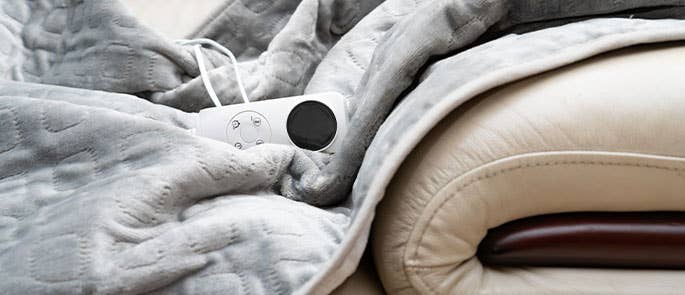
How to Use an Electric Blanket Safely
Following the manufacturer’s instructions is one of the easiest ways to reduce the risks associated with an electric blanket. Before using an electric blanket, always check that it’s in good condition and suitable for the way you intend to use it.
To use an electric blanket safely:
- Check the blanket before use – look for frayed fabric, scorch marks, exposed wires, damaged cables, loose connections or other signs of deterioration.
- Read the manufacturer’s instructions – make sure you know whether your blanket is an underblanket or overblanket, and use it only as intended.
- Position the blanket correctly – spread it out fully and make sure it isn’t folded or tightly creased while switched on.
- Keep it dry – never use an electric blanket if it’s wet or damp and do not touch it with wet hands or feet.
- Keep water away from the blanket – do not use a hot water bottle in the same bed or at the same time as an electric blanket, even if the blanket is switched off.
- Use the correct controls – follow the manufacturer’s instructions for the temperature settings and whether the blanket can be left on overnight.
- Switch it off when required – unplug the blanket before going to bed, unless the manufacturer states that it has been designed and tested for safe all-night use.
- Store it carefully – allow the blanket to cool before storing it. Roll it or loosely fold it to store away, rather than creating sharp folds that could damage the internal wiring.
- Replace damaged or old blankets – do not continue using a blanket simply because it still appears to work, especially if it’s showing signs of deterioration or has reached the end of its recommended lifespan.
Is it Safe to Sleep with an Electric Blanket On?
Generally, you should switch off and unplug an electric blanket before going to sleep. However, some models are specifically designed and tested for safe all-night use, and these may have thermostatic temperature control or automatic shut-off features.
Always check the manufacturer’s instructions to see whether your particular blanket is suitable for overnight use. Leaving a model that is not designed for this purpose switched on while you sleep can increase the risk of overheating, fire and burns.
Bear in mind that there is also a risk of becoming dehydrated or overheated if you sleep in excessive heat. Anyone who may be less able to recognise or respond to heat, such as a young child or someone with reduced sensitivity to temperature, should therefore take particular care.
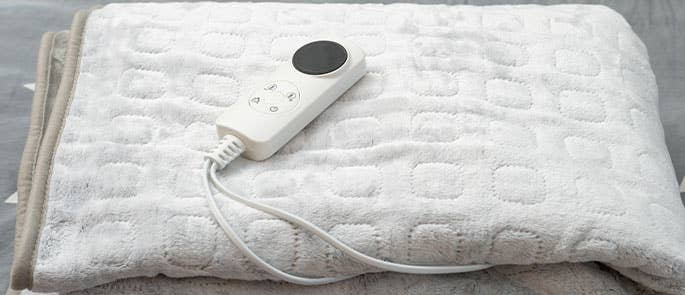
How Long Should You Keep an Electric Blanket?
Electric blankets don’t last indefinitely, and fire and electrical safety organisations generally advise replacing an electric blanket when it’s 10 or more years old. Older blankets can have deteriorated wiring or other components, even when there are no obvious external signs of damage.
When buying a replacement electric blanket, look for appropriate product safety and conformity markings. UKCA or CE marking may be required depending on the product and when it was placed on the market, while third-party certification marks such as the BEAB Approved mark provide additional reassurance that the product has been independently tested.
Electric Blanket Safety Features
If you’re buying a new electric blanket, look for features that help prevent overheating and make the blanket safer to use. Useful safety features include:
- Overheat protection, which can cut the power if the blanket becomes too hot.
- Automatic shut-off, particularly if the blanket is designed for overnight use.
- Thermostatic temperature control, which helps regulate the temperature.
- A timer, allowing the blanket to switch off automatically after a set period.
- Clear temperature controls, making it easier to select an appropriate setting.
- A reputable safety certification mark, such as BEAB Approved, where available.
Electric Blanket Safety Tips
A few simple precautions can significantly reduce the risk of an electric blanket causing a fire or injury. Remember these key electric blanket safety tips:
- Buy a new electric blanket from a reputable retailer, rather than buying second-hand.
- Always read and follow the manufacturer’s instructions.
- Check the blanket, plug, cable, connector and controls regularly for damage.
- Never use a blanket with scorch marks, exposed wires, frayed fabric or damaged cables.
- Never use an electric blanket while it is folded or creased.
- Never use a hot water bottle in the same bed as an electric blanket.
- Keep the blanket dry and away from liquids.
- Switch off and unplug the blanket before going to bed, unless it’s specifically designed for safe all-night use.
- Replace the blanket when it’s around 10 years old, or sooner if it becomes damaged or deteriorates.
- Store the blanket correctly to protect its internal wiring.
- If you notice an unusual smell, buzzing, overheating or scorching, stop using the blanket immediately.
Electric blankets can be a useful way to keep warm, but they need to be treated like any other electrical appliance. Taking a few simple safety precautions, such as checking for damage, using the blanket as intended and replacing old or worn blankets, can help reduce the risk of fire and injury this winter season.
Further Resources:
- Fire Safety Courses
- Portable Heater Safety
- Hot Water Bottle Safety
- Lithium-Ion Battery Safety Training
- Electrical Safety Training Online Course
- A Guide to Lithium-Ion Battery Fire Safety
- Electrical Safety Quiz
- Fire Safety Quiz
- Cooling Fan Safety



Post Author