
Safety Harness Inspection: Free Checklist
 5 min read
If you use a safety harness when working at height, then you know how important it is that your equipment is kept in the best condition. Safety harnesses only have the potential to save lives if they are maintained and used correctly, which is why safety harness inspections are so important. In this article, we’ll outline the safety inspection requirements for a safety harness and explain how to correctly perform checks on a safety harness. You can also download a free detailed check checklist.
Safety Harness Inspection Requirements
A safety harness inspection is needed to ensure you remain safe whilst working at height. A combination of pre-use checks, detailed checks and periodic thorough inspections of your fall arrest equipment help to identify any damage, dirt and defects that may render the equipment unsafe to use, before it’s too late.
By law, employers must ensure that all fall prevention equipment is well maintained, kept in good repair and replaced where necessary. This is a requirement under the Personal Protective Equipment at Work Regulations 1992.
The Work at Height Regulations 2005 further state that fall prevention equipment must be inspected at ‘suitable intervals’, especially if it’s exposed to conditions that may make it deteriorate more quickly than usual, such as chemicals, heat or abrasion.
To comply with these laws and ensure safety harnesses remain safe to use, they should be inspected and maintained regularly. Not only does this mean inspecting for damage, but also ensuring the harness is clean and free from dirt. Cleaning your safety harness and equipment regularly with clean, soapy water is essential for removing contaminants that could hide minor damage and cause the harness to deteriorate.

Want to Learn More?
If you’re required to use a safety harness for working at height, then our online Safety Harness Training will teach you how to wear your harness correctly, maintain it in good condition and ensure falls are prevented. Our Safety Harness Inspection Course has also been designed for anyone in any industry whose role involves conducting detailed checks of fall arrest PPE, including users, storepersons and supervisors.
Who Can Inspect a Safety Harness?
All safety harnesses should undergo a check by you – the user – to check for damage or defects before you begin work. This quick user check can be done by anyone wearing a safety harness and simply involves checking to make sure the harness looks and feels safe and clean. Look and feel the whole harness and lanyard, including the hardware, webbing and stitching.
It’s also recommended that you get someone to perform a buddy check before each use of a safety harness. This means asking a colleague to do a quick pre-use check for you, paying particular attention to the back of your harness, making sure that it is fitted and fastened correctly and that none of the straps are twisted. Again, anyone can do this inspection.
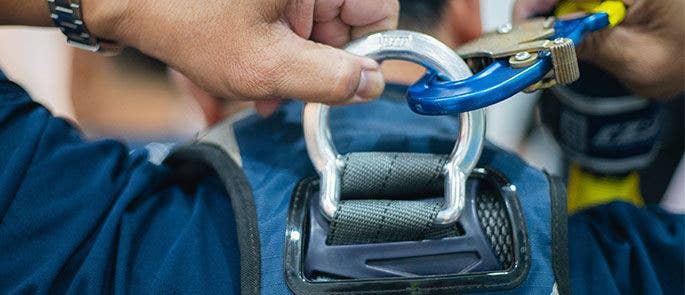
Detailed checks are more in-depth, often carried out weekly or when equipment is returned to a storeroom. Whether you’re the user, a supervisor or a store person, your role during a detailed check is to identify defects that a quick visual glance might miss. Unlike a thorough inspection, a detailed check isn’t about passing or failing equipment, and it doesn’t need to be recorded by law. Instead, it’s a responsibility to monitor the condition of the PPE and ensure it remains safe between formal inspections.
Safety harnesses should also undergo more thorough inspections by a competent person at regular intervals. These inspections are sometimes called competent person checks and should be carried out by someone who has the required authority, training, knowledge and experience. This person can be an appropriate person within your company or someone from an external source, such as an inspector from the harness’ manufacturer, but they must have the knowledge of what to look for and know when to discard unusable fall prevention equipment.
When Should a Safety Harness Be Inspected?
All safety harnesses and fall protection equipment should be inspected regularly by a competent person to ensure damage and defects are identified early and the item can be discarded and replaced before use. Without regular inspections, faulty safety equipment may not be noticed and the user’s life may be at risk.
It’s up to your organisation to determine how often you do a detailed check of your safety harnesses. The time period will be determined by your particular place of work, the risks present and the type of work carried out. As a guide:
- User checks should be performed before every use by the person who wears the equipment. This includes a quick visual and tactile check to ensure there’s no obvious damage or contamination, and the harness fits well.
- Detailed checks should be carried out weekly or when equipment is returned to a storeroom. This involves looking closely at all components while feeling all of the material for hidden defects.
- Thorough inspections are the most detailed inspections required by law under the Work at Height Regulations 2005. They must be completed at least every six months by a competent person who has the necessary knowledge, training and experience to conduct a thorough inspection.
- Interim inspections may be required every 3 months or less depending on the risk assessment for harsh environments. For example, if the work environment changes or if new chemicals, paints, acids or alkalis are introduced into work activities that may cause the fabric of the harness to deteriorate.
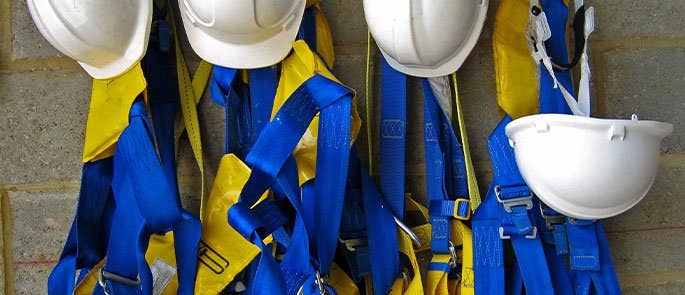
Safety Harness Inspection Checklist
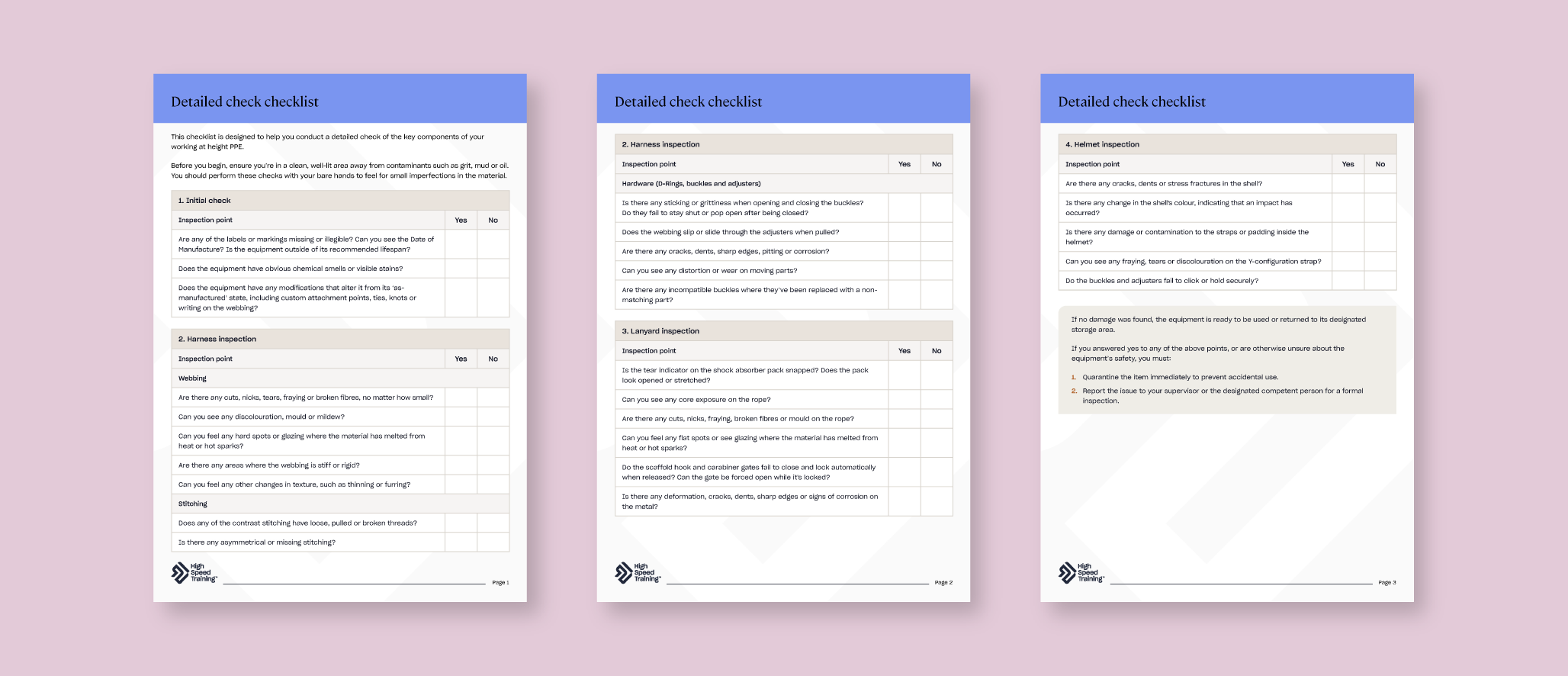
A checklist is a practical way to keep your checks consistent and effective, whether you’re looking after your own PPE or equipment for a team. This can help you stay organised and ensure you inspect every component for damage.
You can download our free detailed check checklist below.
Safety harnesses must be regularly inspected for damage, defects and dirt in order to keep them in good condition and ensure they remain safe to use. Without consistent user checks, detailed checks, and thorough inspections by a competent person, safety harnesses can become defective and the safety of the user compromised. This is why it’s a legal requirement for employers to have a safety harness inspection regime in place.
Further Resources:
- Safety Harness Training
- What is a Safety Harness?
- How to Develop a Rescue Plan for Working at Height


Post Author

You may also like