

How to Do the Secondary Survey
 5 min read
While the primary survey focuses on finding and managing immediate, life-threatening conditions, the secondary survey helps you identify injuries or illnesses that may not be immediately obvious. It also allows you to gather important information that can support emergency services when they arrive. In this article, we’ll explain how to do the secondary survey, perform a head to toe check and use the SAMPLE mnemonic.
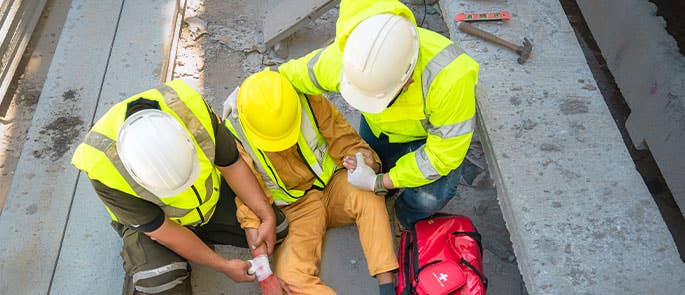
What is a Secondary Survey?
The secondary survey is carried out after the primary survey has been completed, any immediate life-threatening conditions have been identified and managed, and the casualty is stable. This means they are responsive, breathing normally and any severe bleeding has been controlled.
The aim of the secondary survey is to identify other injuries or medical problems and to collect relevant background information about the casualty. This information helps you decide what care is needed next and ensures paramedics receive clear and accurate details.
Current first aid guidance stresses the importance of early recognition of cardiac arrest and administering prompt CPR, focussing on high-quality chest compressions. If at any point during the secondary survey the casualty becomes unresponsive or stops breathing normally, you should return to the primary survey steps (DRABC) and begin CPR immediately. Always call for help on 999 if you suspect cardiac arrest.

Want to Learn More?
Understanding CPR can be lifesaving: our online CPR Awareness training course is designed to help you recognise when someone needs CPR and learn how to administer it to a person in need.
How to Do the Secondary Survey
Once you are confident the casualty is stable, you can begin the secondary survey. This involves a physical head to toe check followed by asking questions using the SAMPLE mnemonic. Taking a calm and systematic approach and following these checks helps to ensure nothing is missed and reassures the casualty while you assess them.
Head to Toe Check
The head to toe check is a structured way to look for injuries across the whole body. It helps you identify signs of injury that may not be obvious at first glance, particularly if the casualty is distracted by pain elsewhere.
Start at the head and work downwards, checking both sides of the body where possible. Look and gently feel for swelling, bruising, bleeding or unusual shapes. Stop if the casualty reports pain and do not move them if you suspect a spinal injury.
During a head to toe check, pay particular attention to the following areas.
- Head and face, looking for wounds, bleeding or signs of a head injury.
- Neck, checking for pain or stiffness and avoiding movement if a spinal injury is suspected.
- Chest, watching breathing and looking for bruising or open wounds.
- Abdomen, gently checking for pain, swelling or firmness.
- Pelvis and hips, noting pain or difficulty moving.
- Legs and feet, checking for bleeding, fractures or changes in skin colour.
- Arms and hands, checking for movement, sensation and visible injuries.
The SAMPLE Secondary Survey Mnemonic
After completing the head to toe check, the next step is to gather more information by asking questions using the SAMPLE mnemonic. This provides a clear and reliable structure for assessing the casualty and is particularly useful when passing information on to emergency services. Ask the questions calmly and in order where possible. If the casualty cannot respond, look for clues such as medication, medical alert jewellery or information from bystanders.
The SAMPLE steps are as follows:
- Symptoms – ask what is wrong and how they are feeling. Find out their main complaint and any symptoms such as pain, dizziness, shortness of breath or nausea.
- Allergies – ask if they are allergic to anything, including food allergies, medications or substances. If they have an allergy, ask what happens when they are exposed to it and find out if they have an adrenaline auto-injector.
- Medications – find out whether they are taking any medications, including prescribed drugs, inhalers, herbal remedies or over the counter medicines. Ask when they last took them.
- Past medical history – ask if they have had this problem before or if they have any other medical conditions, such as asthma, diabetes, epilepsy or heart disease, as these can present additional complications.
- Last oral intake – ask when they last ate or drank and what it was. This information can be important for medical treatment.
- Events leading to the illness or injury – ask what happened and how the casualty became unwell or injured. If appropriate, speak to witnesses and look for clues in the surrounding area.
What Should I Do After the Secondary Survey?
Once the secondary survey is complete, your focus should be on ongoing care and communication. The information you have gathered is extremely valuable and can help emergency services provide the right treatment more quickly.
Write down key details from the secondary survey if possible, so you can clearly pass them on to paramedics or other emergency responders. Stay with the casualty, keep them calm and comfortable and do not move them unless it is necessary for their safety.
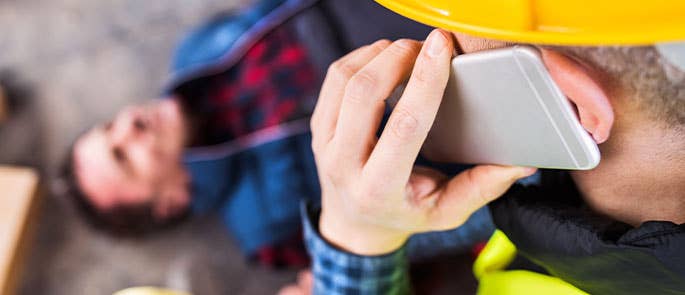
Before help arrives, recap all the information you have learned and be prepared to explain what you found during the head to toe check, plus the answers gathered using the SAMPLE questions.
The secondary survey plays a vital role in first aid by helping to prevent further harm once immediate dangers have been managed. It ensures injuries are not missed and helps paramedics respond more effectively. With a calm approach and by following the right steps, you can make a meaningful difference until professional help arrives.
Further Resources:
- Workplace First Aid Training
- How to Carry Out the Primary Survey Using the DRABC Steps
- What are the Responsibilities of a First Aider?
- How to Support Individuals After Giving First Aid Assistance


Post Author