

What is Martyn’s Law?
 5 min read
In the UK, there have been 15 terror attacks since 2017, ranging in location and severity, and the threat of terrorism remains high. It’s a complex issue and one that affects everyone, so what can the UK Government do to help keep the British public safe from such heinous terrorist acts? In this article, we’ll look at the introduction of Martyn’s Law, which was granted Royal Assent in April 2025 and is expected to have an implementation period of at least 24 months before coming into force. We’ll explain the purpose of Martyn’s Law, outline what this means for public venues and premises and look at how this law aims to keep the general public safe from harm.
What is the Purpose of Martyn’s Law?
Martyn’s Law is the alternative name for the Terrorism (Protection of Premises) Act 2025 which was established in tribute to Martyn Hett, a young man who tragically lost his life alongside 21 other people in the Manchester Arena terrorist attack in 2017.
Following the 2017 attack, the Manchester Arena Inquiry Report and the London Bridge Inquests identified the need for legislation and guidelines to protect members of the public. Currently, while many venues and events take steps to identify the potential risks presented by acts of terrorism, they do so without consistency across the UK. This is what Martyn’s Law intends to change.
The threat of terrorist acts is complex and forever changing but, from recent terror attacks, it’s clear that a broad range of public locations may be targeted, no matter their size or purpose. Martyn’s Law will ensure that public venues are better prepared for terrorist attacks and are ready to respond in the event of an emergency.
Who is Martyn Hett?
Martyn Hett is a 29-year-old man who was killed in the 2017 Manchester Arena terrorist attack, along with 21 other people. The terrorist responsible was 22-year-old Salman Abedi, who detonated a suicide bomb at the end of an Ariana Grande concert being held at the music venue.
Martyn Hett was a much-loved social media manager who received ‘unsurvivable’ injuries as a result of the terrorist attack. The report into his death stated that the emergency services failed to work together following the Manchester Arena bombing and recommended a change in legislation to improve the safety of public venues.
What Does Martyn’s Law Mean for Organisations?
Martyn’s Law places responsibility on the responsible person. The person who has control of the premises for its relevant use. For qualifying events this is typically the person who controls the premises for the purposes of the event. The responsible person remains legally responsible for compliance even if tasks are outsourced.
To comply with Martyn’s Law, the responsible person must consider:
- The risks posed by terrorism.
- How they would respond to a terrorist attack including having appropriate public protection procedures in place and ensuring staff know what to do.
- For larger premises and qualifying events, what additional steps are reasonably practicable to reduce vulnerability and reduce the risk of physical harm.
Responsible persons will also need to notify the regulator, the Security Industry Authority (SIA).
The types of premises and events that are covered by Martyn’s Law include:
- Certain public premises and events that meet the Act’s scope conditions and are used for activities listed in the Act.
- Qualifying premises can be permanent or temporary. Temporary structures can be in scope where the premises includes a building.
- Premises must be mainly used for one of the listed activities (e.g. entertainment and leisure, retail, food and drink).
- Qualifying premises meet a 200+ threshold, meaning 200 or more individuals including staff may be reasonably expected to be present at the same time from time to time.
- Qualifying events are in scope where 800+ individuals including staff are reasonably expected to be present at the same time and there are measures to check entry (e.g. ticket checks).
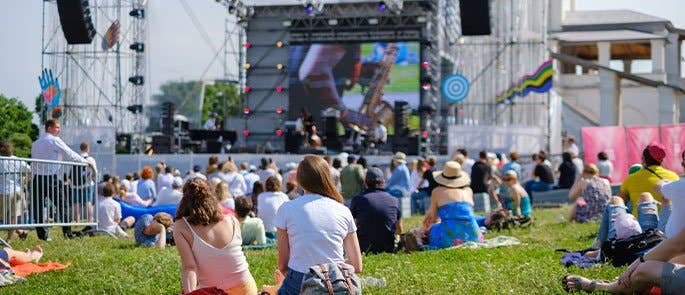
Martyn’s Law also established a tiered model which explains what the requirements are for venues of different expected attendance:
The Enhanced Tier – the Enhanced Tier of Martyn’s Law applies to larger premises and qualifying events where it is reasonable to expect 800 or more individuals including staff to be present at the same time. These premises and events will be expected to do more including having appropriate public protection measures in place, documenting them and providing this to the SIA and designating a senior individual where required. This includes premises such as live music venues, theatres and large department stores.
The Standard Tier – the Standard Tier of Martyn’s Law will apply to premises where it would be reasonable to expect 200-799 people including staff could potentially be present at the same time from time to time. Places of worship and premises used for childcare, primary/secondary/further education fall into this tier even if they exceed 800 people. Venues such as halls, cinemas and restaurants qualify under this tier. Charities and community organisations may also be in scope where they are responsible persons for qualifying premises.
Martyn’s Law encompasses a number of different premises however some premises are subject to different accommodation criteria. These have been categorised into Schedule 1 and Schedule 2.
Schedule 1 

Schedule 1 provides that certain types of premises are standard tier or enhanced tier regardless of the number of individuals who can reasonably be expected to be hosted there. Those premises must be wholly or mainly used for one or more of the uses that are set out in the schedule. Those categories of use are:
- Shops etc
- Food and drink
- Entertainment and leisure activities
- Sports grounds
- Libraries, museums and galleries
- Halls etc
- Visitor attractions
- Hotels etc
- Places of Worship
- Health care
- Bus stations, railway stations etc
- Aerodomes
- Childcare
- Primary and secondary education
- Further education
- Higher education
- Public authorities
You can find more information here.
Schedule 2
Schedule 2 of the Act excludes certain premises from the requirements of the Act. Excluded premises include:
- Parliaments and Devolved Administrations – Premises occupied for the purposes of the Scottish, Welsh or Northern Irish parliaments and administrations are excluded from the scope of the Act.
- Parks, gardens, recreation grounds, sports grounds and other open-air premises used for recreation, or leisure – However, this exclusion only applies where these premises are generally open access.
- Transport premises – These premises are already subject to relevant existing legislation intended to consider and mitigate threats.
You can find more information here.
Additional FAQs on Martyn’s Law (Protect Duty)
Below are some common FAQs on Martyn’s Law that you may find useful:
When will Martyn’s Law be introduced?
Martyn’s Law received Royal Assent in April 2025 and the Government expects an implementation period of at least 24 months before the Act comes into force.
How will Martyn’s Law be enforced?
The Act creates a regulatory role for the Security Industry Authority (SIA) and that body will assist and provide advice to premises and event managers on how to meet the obligations of Martyn’s Law. The SIA will have inspection and information gathering powers and where there are instances of serious or persistent non-compliance it will be able to take enforcement action including compliance notices, monetary penalties and restriction notices. The legislation also includes some criminal offences.
Will Martyn’s Law apply to all of the UK?
The Martyn’s Law legislation will apply across all of England, Wales, Scotland and Northern Ireland.
Does Martyn’s Law apply to my venue?
Martyn’s Law applies to qualifying premises and qualifying events that meet the Act’s conditions including the relevant thresholds and exclusions. Qualifying premises and events may include places such as shops, entertainment venues, hotels, restaurants, sports grounds and transport premises where they meet the qualifying criteria, subject to exclusions (including certain transport premises already subject to existing legislative requirements to consider and mitigate threats).
I volunteer at a small public venue, like a village hall – does Martyn’s Law apply to me?
It’s evident that terrorists choose a range of locations to attack, no matter their size or purpose, so all public venues need to be prepared to protect the public from terrorist attacks. This includes public premises where people volunteer or any small venue where 200+ people may be present. Smaller venues that meet the qualifying criteria will fall into the Standard Tier where the focus is on simple low cost activities and there is no requirement to put in place physical measures.
How were the Enhanced and Standard tiers determined?
The tiered approach is linked to the number of individuals it is reasonable to expect may be present at the same time (including staff). A range of methods can be used to make a reasonable assessment, including safe occupancy for fire safety, historic attendance data, fixed seating and/or standing positions and tickets and pre-registration.
Will my venue need to spend lots of money on security measures to comply with the law?
The aim of Martyn’s Law is not to create undue burden on people responsible for public places. In the Standard Tier requirements are centred on simple low cost activities and there is no requirement to put in place physical measures. In the Enhanced Tier additional public protection measures may be needed but what is required will depend on what is reasonably practicable for the premises or event.
Will Martyn’s Law prevent future terrorist attacks on public venues?
Martyn’s Law does not intend to prevent terrorist attacks from happening but instead to ensure premises in the UK are prepared for, and protected against, the impact of potential terrorist attacks. Martyn’s Law is part of the Government’s counter-terrorism strategy – CONTEST.

With the threat of terrorist action remaining high in the UK, it’s clear that Martyn’s Law is an essential piece of legislation for the safety of the British public. The loss of life at the 2017 Manchester Arena terrorist attack was disastrous for the UK and it’s essential that public premises and events have well-considered and proportionate measures in place to respond better in future.
Further Resources:
- Prevent Training: What Do I Need to Know?
- Prevent Duty Guidance for Teachers: Free Resource Pack
- Prevent Duty Training
- Martyn’s Law Awareness Training


Post Author