
What is a Labourer?
 5 min read
Labourers are an essential part of the construction industry as they’re required to support a wide range of projects, from small home renovations to large-scale infrastructure developments. There’s also consistent demand for labourers across the UK, particularly as the construction industry continues to grow and it can be a rewarding role for those who enjoy practical, hands-on work. In this article, we’ll outline what a labourer does, the different types of labourers and how to go about gaining the right qualifications to become a labourer.
What is a Labourer?
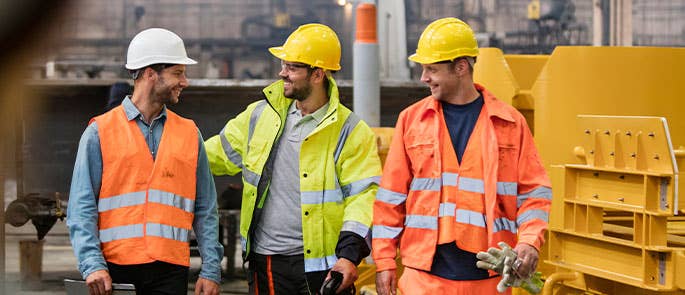
A labourer is a worker who carries out practical tasks to support construction, maintenance and industrial projects. Labourers are often responsible for physical work on site and assist skilled tradespeople such as builders, electricians and plumbers.
Labourers typically work on construction sites, although they may also be found in warehouses, factories or outdoor environments. Their work is usually site-based and can involve working in different locations or a single location, depending on the project.
Working hours can vary, but labourers often work full-time during the day. Some roles may involve early starts, weekend work or overtime, especially when deadlines need to be met.
Types of Labourers
There are various types of labourers depending on skill level and experience. Understanding the different types can help you decide which path is right for you and what kind of training or progression you may need.
What is a General Labourer?
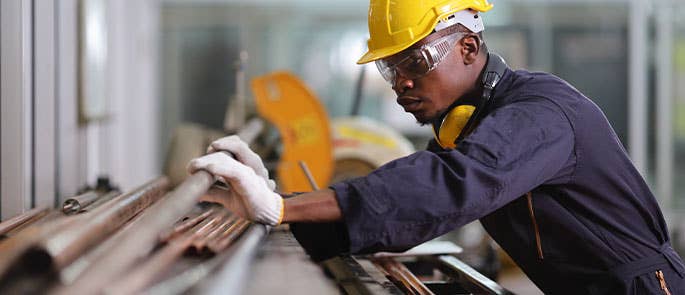
A general labourer, sometimes referred to as an unskilled labourer, carries out basic tasks that don’t require formal training. These roles are often entry-level and are a common starting point for those new to construction work. A general labourer usually focuses on supporting others and maintaining the smooth running of a site.
Examples of general labourer roles include:
- ‘Hoddie’ or hod carrier – this role involves carrying bricks and mortar to bricklayers in order to keep work moving efficiently.
- Site cleaners – cleaners are responsible for keeping the site tidy, removing waste and ensuring safe working conditions.
- Gate person, banksman or traffic marshal – this role involves controlling access to the site and directing vehicles safely.
- Demolition labourer – these workers assist with taking down structures and clearing debris from demolition sites.
- Trade assistant or ‘mate’ – they support skilled workers by preparing tools, fetching materials and assisting with basic tasks.
What is a Semi-Skilled Labourer?
A semi-skilled labourer has gained some experience or training and can carry out more specific tasks than their ‘unskilled’ counterparts. While they may still support skilled workers, semi-skilled labourers often take on more responsibility and require some sort of training or on-the-job experience.
Examples of semi-skilled labourer roles include:
- Trade mate – this role involves assisting a specific trade, such as plumbing or electrical work, with a deeper understanding of the tasks involved.
- Concrete finisher or screeder – these workers help pour, level and finish concrete surfaces to the required standard.
- Fencing or hoarding erector – this involves installing temporary or permanent fencing around sites for safety and security.
- Insulation or drylining assistant – these labourers support the installation of insulation materials and internal wall systems.
- Groundwork operative – this role involves preparing the ground for construction, including digging trenches and laying foundations.
What is a Skilled Labourer?
A skilled labourer has specialist training and qualifications in a particular trade. These roles require a higher level of knowledge and experience and often come with greater responsibility and earning potential.
If you’re interested in progressing into a skilled role, you may wish to explore dedicated career guides, such as:
- How to Become a Builder
- How to Become a Plumber
- How to Become a Scaffolder
- How to Become an Electrician
- How to Become a Bricklayer
- How to Become a Roofer
- How to Become a Scaffolder
- How to Become a Carpenter
- Duties and Responsibilities of a Banksman
Responsibilities of a Labourer
The responsibilities of a labourer will vary depending on their skill level and the type of work they are doing. However, there are common tasks associated with each type. These include:
General Labourer Responsibilities
General labourers focus on basic site support and manual tasks. Their responsibilities often include:
- Loading and unloading materials and equipment.
- Keeping the site clean and organised.
- Assisting skilled workers with simple tasks.
- Moving tools and materials around the site.
- Following health and safety instructions at all times.
Semi-Skilled Labourer Responsibilities
Semi-skilled labourers take on more specific tasks and may work more closely with particular trades. Their responsibilities often include:
- Assisting with technical tasks under supervision.
- Operating basic tools and equipment.
- Preparing materials for use in construction.
- Carrying out simple installations or groundwork.
- Supporting project progress by completing assigned tasks independently.
Skilled Labourer Responsibilities
Skilled labourers carry out specialised work and often lead on tasks within their trade. Their responsibilities often include:
- Completing trade-specific work to a high standard.
- Reading and interpreting technical drawings.
- Using advanced tools and equipment.
- Supervising or guiding less experienced workers.
- Ensuring work complies with regulations and quality standards.

What Qualifications Do You Need to Be a Labourer?
The qualifications you need to be a labourer depend on the type of labourer you want to become. While some roles require no formal qualifications at all, others involve accredited training and certification.
General Labourer Qualifications
For general labourer roles, formal qualifications are not always required. However, employers may look for:
- A valid CSCS card to work on construction sites.
- Basic site health and safety knowledge.
- GCSEs in English and maths, although these are not always essential.
Semi-Skilled Labourer Qualifications
To become a semi-skilled labourer, you may benefit from some formal training or qualifications, such as:
- A Level 1 or Level 2 construction-related college course.
- On-the-job training with an employer.
- Certification in specific areas, such as manual handling, working at height, asbestos awareness and ladder safety.
Skilled Labourer Qualifications
Skilled labourer roles require more formal training and qualifications. This may include:
- Apprenticeships in a specific trade.
- NVQs or Diplomas in construction.
- Industry-recognised certifications.
- Ongoing professional development and training.

Want to Learn More?
Get ahead of other job applicants by becoming certified in key construction topics. Our range of Online Health and Safety Courses covers everything you need to know, from Manual Handling and HAVS Training to Electrical Safety.
Labourer Skills
To succeed as a labourer, you’ll need a mix of practical ability and personal qualities, often referred to as hard skills and soft skills:
Labourer hard skills are the technical abilities needed to carry out physical tasks safely and effectively. Key examples include:
- Using hand and power tools correctly.
- Understanding basic construction methods.
- Knowledge of site health and safety practices.
- Ability to follow instructions and technical guidance.
- Knowledge of correct manual handling techniques.
- Basic measuring and calculation skills.
Labourer soft skills are just as important, as they help you work effectively with others and adapt to different environments. Key examples include:
- Communication skills.
- Reliability and punctuality.
- Willingness to learn.
- Problem-solving skills.
- Teamwork and cooperation.
- Time management.
- Attention to detail.

How to Become a Labourer
Starting a career as a labourer is often straightforward and doesn’t always require previous experience. However, taking the right steps can improve your chances of finding work and progressing in the industry.
A typical pathway into labouring includes:
- Gaining a CSCS card to work on construction sites.
- Applying for entry-level labouring roles.
- Building practical experience on site.
- Taking additional training or short courses.
- Progressing into semi-skilled or skilled roles over time.
Many people begin their construction career as a general labourer and then move into more specialised roles as they gain experience. With time and training, you could progress into a skilled trade, a supervisory position as a site manager, or even start your own labouring business.
Whether you’re starting your career or looking for a change, becoming a labourer offers a practical route into the construction industry. With strong demand and clear progression opportunities, it can lead to a long and rewarding career and open the door to a wide range of career opportunities.
Further Resources:
- Health and Safety Courses
- Careers in Construction Industry: Opportunities and Roles
- How to Become a Construction Worker
- How to Find the Right Career for Me



Post Author

You may also like