
Creating a Sense of Belonging in School
 5 min read
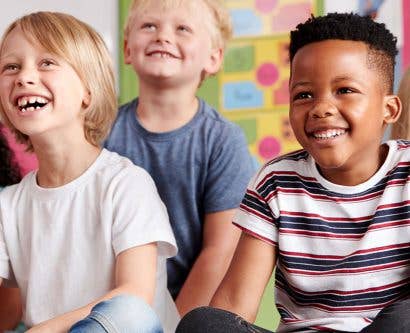
For many children and young people school is their most impactful social arena. When this arena is one of inclusion, children feel welcomed and part of a larger community, encouraging them to reach new heights, build bridges and find their tribe. When the opposite of this is true, children can feel isolated, alienated and unworthy of being part of something larger. Fostering a sense of belonging is integral to helping a child feel positively about school, their peers and ultimately, themselves. A sense of belonging can have an incredibly positive impact on a child’s mental health whilst instilling an appreciation for the importance of community that will stick with them throughout their lifetime. In this article we will explore what a sense of belonging is, why it is so important and how you can foster a sense of belonging in your environment.
What is a Sense of Belonging in School?
A sense of belonging in school refers to feeling like part of the school community. When children and young people have a strong sense of belonging they are sure of their place within the school eco-system and feel encouraged and supported to be themselves. It is important to note that acceptance is a significant part of belonging as without acceptance many children and young people may feel forced to hide who they are in order to adhere to the status quo. In 2024 American professor Brené Brown noted that ‘the opposite of belonging is fitting in.’ She argued that this was because true belonging does not require an individual to change elements of themselves in order to be accepted. Comparatively, ‘fitting in’ requires someone to assess a group of people and determine how they need to act or what they need to say in order to be a part of that group. As such, a true sense of belonging must be accompanied with acceptance for who someone is, rather than who they are pretending to be.
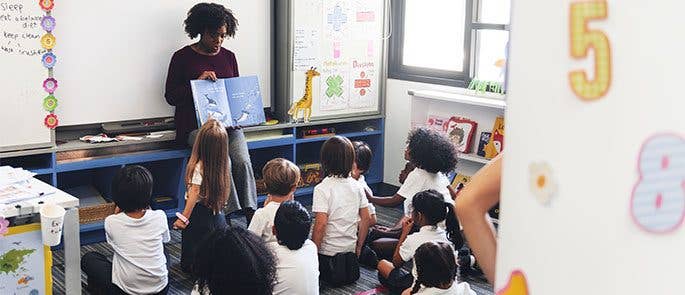
Children and young people can be particularly susceptible to changing themselves in order to ‘fit it.’ However, whilst this may seem like an effective short term solution, it can have an incredibly detrimental impact on a child’s mental health, causing them to feel isolated and unseen even if they have succeeded in ‘fitting in.’ An authentic sense of belonging is incredibly important and this can be seen in the theme for Children’s Mental Health Week 2026. This year’s theme of ‘This is My Place’ aims to spread the message that everyone deserves to feel like they have a place where they are accepted, cared for and loved. The campaign seeks to highlight the vital role that a sense of belonging has on a child’s mental health and wellbeing.
Within the school environment children and young people may feel a sense of belonging by:
- Joining a sports team
- Partaking in extracurricular activities
- Feeling accepted by their peers
Why is a Sense of Belonging so Important?
When children and young people feel a sense of belonging they feel connected to something larger than themselves. Whilst they are at school this helps them to form authentic connections, work hard for a collective goal and feel safe to be themselves. The beneficial feelings of this sense of belonging then follow those students throughout their academic career and life outside of school, helping to foster a sense of shared identity which can guide choices they make in later life. A strong sense of belonging makes it easier to make friends with similar interests and therefore form healthy relationships. This in turn can help to make school feel less daunting for some students and foster more enthusiastic participation as students are more invested in the school environment and by extension, their education.
A strong sense of belonging can help students to:
- Feel motivated
- Build stronger relationships
- Develop resilience
- Experience less loneliness and anxiety
- Feel more confident
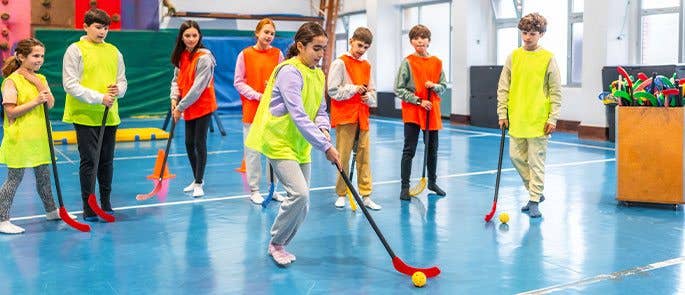
Teachers and other adults within the school environment play a notable part in creating a sense of belonging. It’s important that children and young people are given the space to be their authentic selves as this will help them to find peers who will accept them for who they are. Teachers can help to facilitate this by creating afterschool clubs for particular interests, encouraging students to join different groups which they may enjoy and by facilitating activities that enable students to get to know each other better. They can also encourage a sense of belonging by mirroring it in their own behaviour and sharing the benefits that they experience by feeling part of a community. This may be within the school environment or something outside of school. Children and young people are heavily influenced by the adults around them and when they can see the tangible benefits of a sense of belonging they are more likely to actively invest in their own sense of belonging.
Fostering a sense of belonging not only helps students feel connected to something bigger, it can help to create a positive learning environment which then supports positive mental health. When children and young people feel as though they belong they are more likely to take an active role in their education. This can support effective teaching as students are less likely to behave poorly or disrupt class for other students.

Looking for More?
We have a wide range of CPD Courses for Teaching and Education which can provide you with the knowledge to support your students and be confident in your skillset.
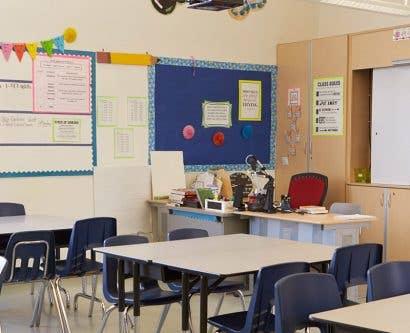
How to Create a Sense of Belonging in the Classroom
Below you will find some examples of how you can create a sense of belonging in your school environment. The approach that you take may well depend on the age of your students and you may find that for older students a more hands off approach is more appropriate, whilst younger students may benefit from a more hands on approach.
For older students a hands off approach can help connections to feel more authentic rather than something mandated by a teacher. It encourages independence and enables students to form relationships based on their own parameters. For example, a teacher may ask students to share a hobby that they partake in outside of school that is important to them. They may then suggest that those with shared hobbies pair up to discuss what they like about the hobby. This could reveal additional shared interests which may feel more authentic or be more important to students and therefore a better foundation upon which to form a connection.

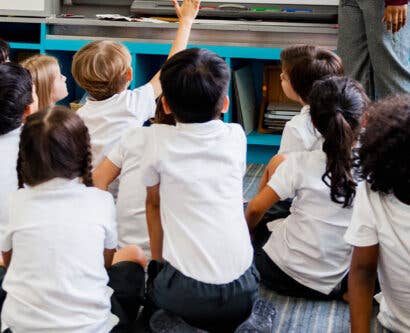
Comparatively, younger students may benefit from a more hands on approach where teachers play a more active role such as by modelling certain behaviour, asking leading questions or consciously including those who may not have shared aloud. For younger students this can be an important lesson in active listening and inclusion which helps to develop the skills necessary to form connections and develop a sense of belonging.
Regardless of the students age, activities should have some level of adult supervision to ensure that interactions remain appropriate and positive. Activities can also be easily adapted to suit the age of the students and the level of involvement they may need or want from teachers.
Ways to encourage a sense of belonging include:
- Games – Games encourage students to work together in a team towards a common goal. A shared goal helps to create a sense of belonging as students work together to achieve something for the benefit of a collective. Encouraging healthy competition can help children to unite with their peers and try hard so as to not let their team down. Games can be in the classroom such as quizzes or external such as during PE. These games do not need to be elaborate nor do they necessarily need to take a lot of time allowing them to be easily inserted throughout the day. For example, the sing-along game ‘Who Took the Cookie from the Cookie Jar?’ is a simple song in which children sing along to lyrics and ‘accuse’ different people of taking the cookie from the cookie jar. As this song doesn’t have a set end or require additional equipment, it can be introduced as a fun ‘breather’ between lessons or to help students transition from breaktime to more learning.
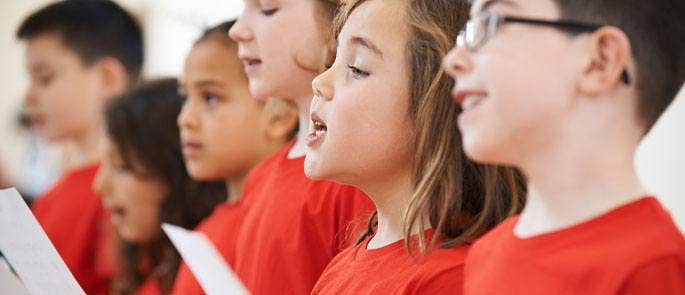
- Extracurricular activities – Extracurricular activities provide students with the chance to form connections outside of the structure of a classroom but still within a learning environment. It can bring together students from different years or social groups with a shared interest/goal which can foster authentic relationships. When these activities are led by teachers or older students who are enthusiastic about them, students model this behaviour and are encouraged to actively participate. Moreover, teachers can use extracurricular activities to encourage students to push themselves and experience numerous benefits as a result. For example, a teacher may encourage a typically quiet student who they know enjoys singing to join choir. Though they may be nervous at first, being surrounded by peers who also enjoy singing and having the opportunity to perform at concerts or competitions, will boost their confidence and make them feel like a valued member of the team.
- Group/class activities – As mentioned, teachers play a significant role in fostering a sense of belonging and this can manifest in specifically designed activities. These activities don’t need to be related to a subject and they can build bridges between people outside of certain constraints, such as a specific subject. As such, teacher-led activities between lessons, during free periods or during lessons such as PSHE can be incredibly powerful and impactful. For example, a teacher may lead an activity in which students are given an item, such as a teddy bear or other toy, and whomever has the item introduces themself and something that they like to do at the weekend. Teachers can then ask questions to the group such as, ‘what does X like to do at the weekend? Who else likes to do Y at the weekend?’ This can help students to see the commonalities between them and their peers and how it extends beyond simply going to the same school. It also encourages active listening, a behaviour which will help to create a sense of belonging outside of structured activities as children approach conversations with curiosity and respect.
- Education – When students know why they are being asked to do something they are more likely to actively participate as they have a better understanding. The same can be said for creating a sense of belonging, especially as many children and young people may not fully understand the benefits of feeling like they belong. Some students may attribute their feelings of isolation at school to a ‘problem’ with them or an injustice that can never be changed. Moreover, they may not recognise that their poor mental health or anxiety around school is rooted in not feeling like they belong. Therefore, educating children and young people on the benefits of a sense of belonging and how it can help them to feel better about school and themselves can help to foster an active awareness of its benefits and an authentic desire to seek it out.
- Fundraising – Fundraising invites people to come together and raise money for a good cause. There are a wide range of ways in which this can be done and a massive variety of charities that money can be raised for. Involving students in the process of picking a charity and how they will go about raising money encourages the school community to come together. This can be in deciding who to support, which can highlight shared areas of interest, or in coming together to raise funds, which can encourage people to suggest different ideas and work together to make it happen.
An authentic sense of belonging helps children and young people to feel like part of a community. As part of a community they feel welcomed, accepted and confident in who they are. Building genuine connections with peers can help to foster a sense of belonging that benefits a student’s mental health and creates a welcoming environment for all.
Further Resources:
- How to Promote Positive Mental Health in Schools
- Mental Health Resource Pack for Schools
- 8 Ideas for Building Resilience in Children at School
- How to Create a Positive Learning Environment
- Self-Care Menu for Kids: Free Worksheet
- Buddy Systems in Schools
- Child Mental Health Training


Post Author

You may also like