

Report: UK Workplace Safety – Perception vs Reality
 10 min read
Workplace safety has come a long way in the UK over the last few generations, with figures from the Health and Safety Executive (HSE) released earlier this year showing that the number of yearly workplace fatalities has fallen by almost 42% from 2005/06, and by over 74% from 1981.
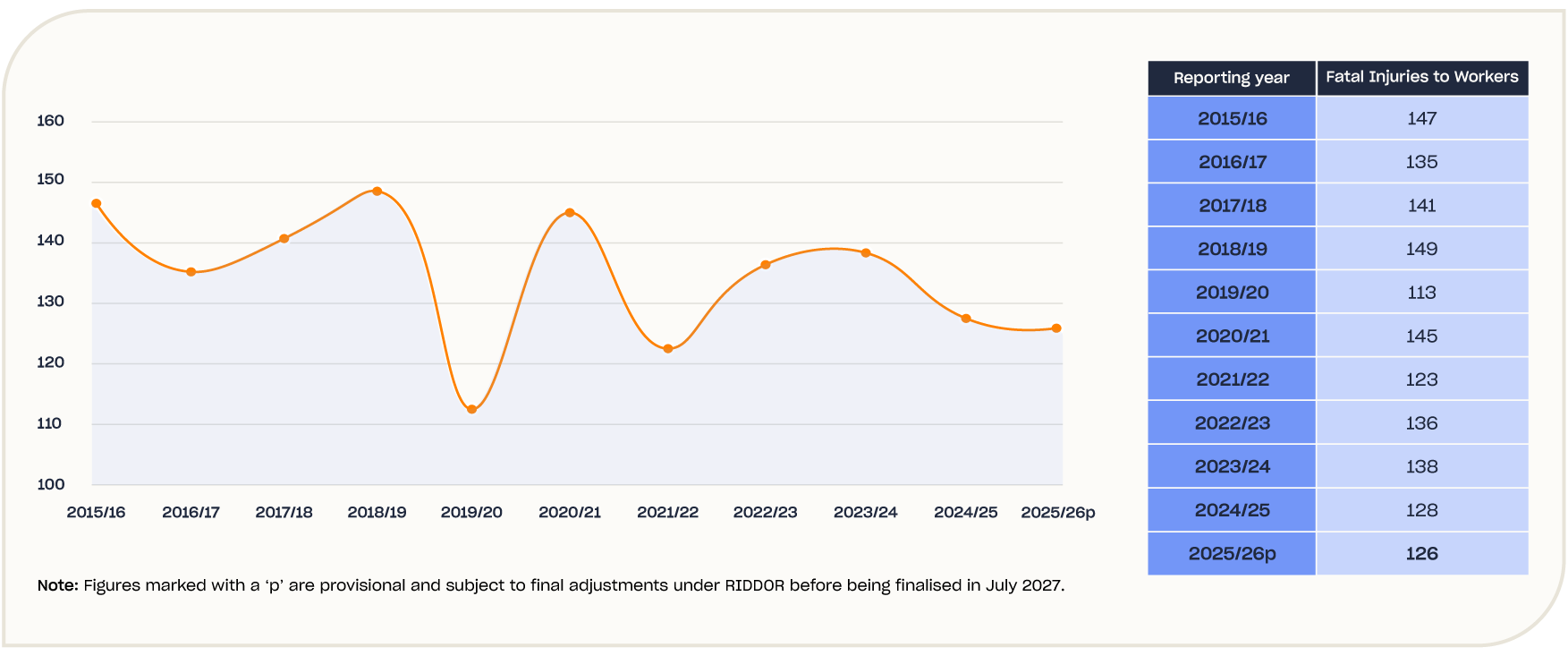
In 2025/26, 126 workers were killed in work-related accidents, falling from 217 in 2005/06 and down from 495 in 1981.
But are UK workers aware of just how far workplace safety has come, and what does the public’s view of health and safety in 2026 tell us about where the risks still lie?
To find out, High Speed Training, a leading provider of online training and e-learning, commissioned a YouGov survey of over 2,000 UK adults to explore how public perception compares with the figures and to understand where safety culture is thriving, and where dangerous blindspots still remain.
State of Play – How Does the UK Fare?
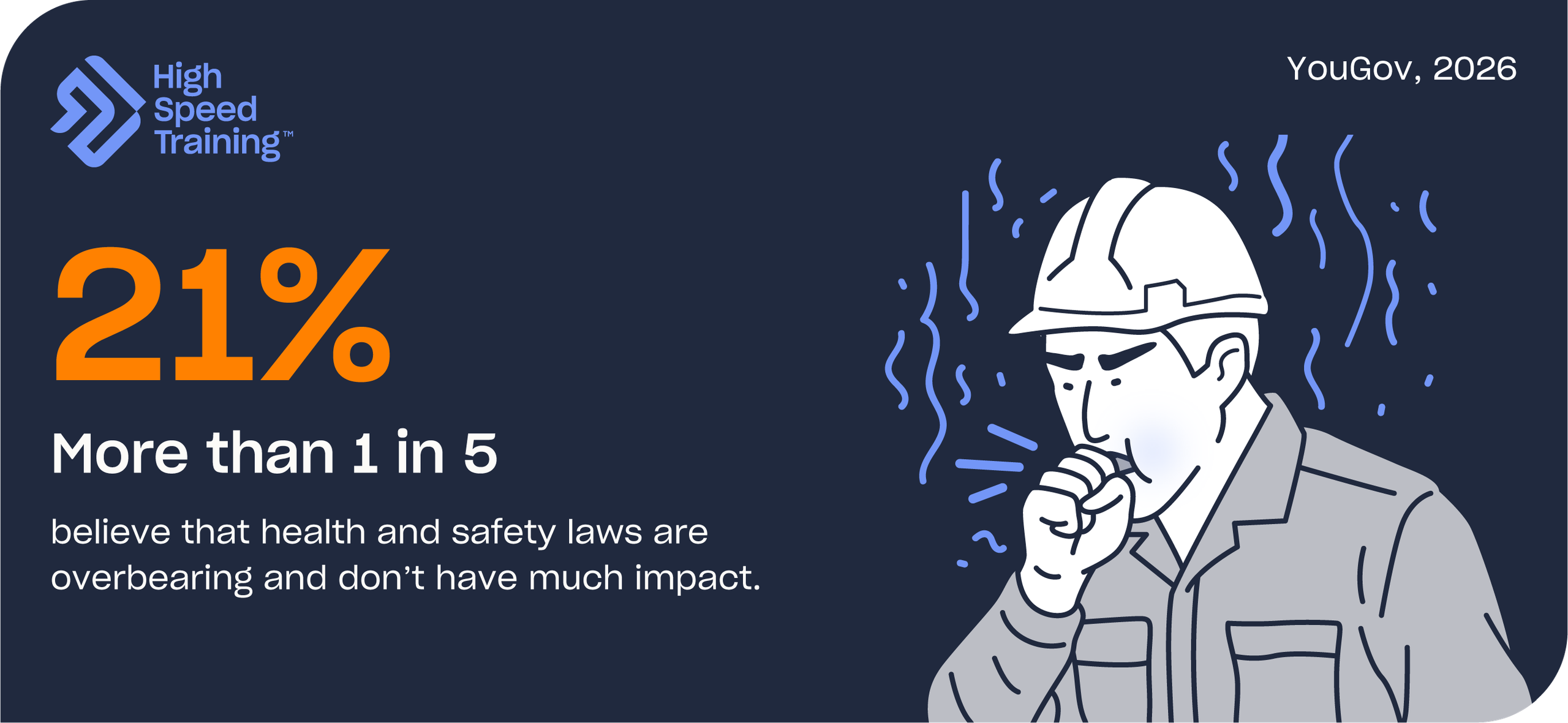
The trope of ‘Health and Safety gone mad’ is a common one, often unhelpfully seen as an overreach of bureaucracy and an abundance of red tape that can hold back productivity. More than 1 in 5 of the people surveyed (21%) believed that health and safety laws are overbearing and have little impact.
But the stats from the HSE tell a different story, one of falling fatality rates and strong safety records, indicating that these approaches are not only making a real difference, but saving lives. In the year 2025/26, 126 workers were killed in workplace accidents in Great Britain, a decrease of 2 from the previous year, and down from a spike of 149 in 2018/19. The number of workers killed in workplace accidents has only been lower than this spike twice in the last 11 years, with 113 deaths in 2019/20 and 123 deaths in 2020/21. This highlights that there is in fact a downward trend in fatal workplace accidents.
Annual Fatal Injuries to Workers (2015/16 – 2025/26p)
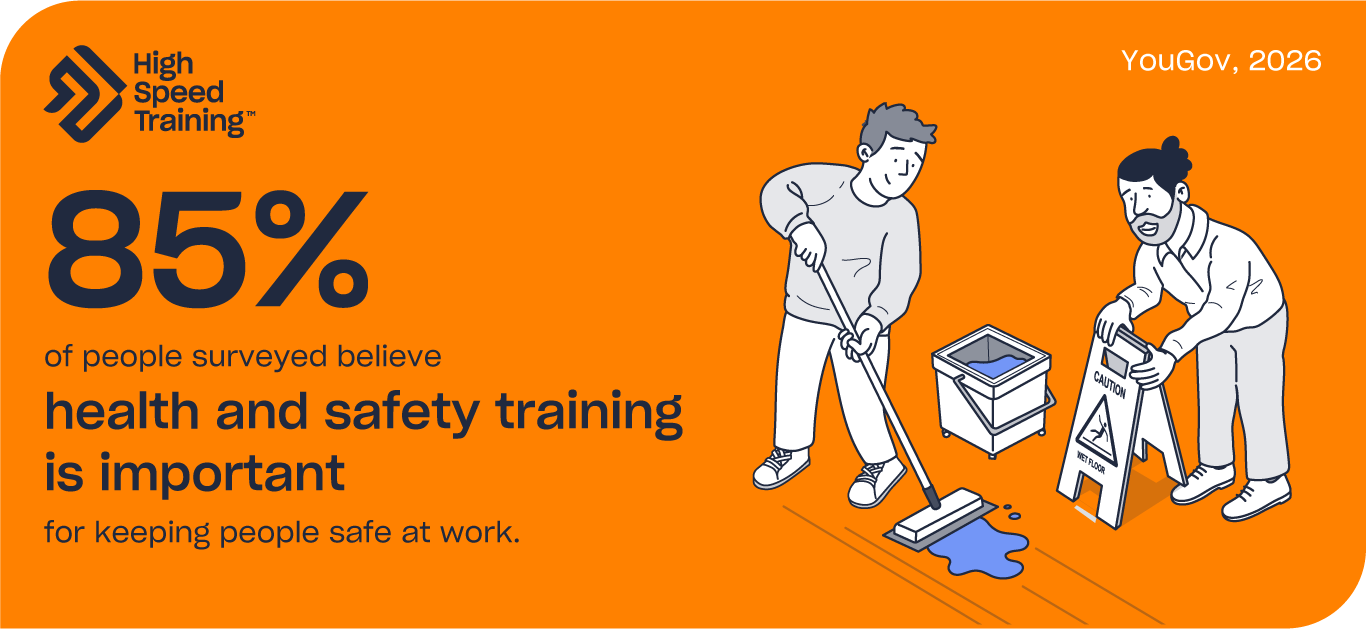
Public opinion bears this out, with our survey showing that 85% of people surveyed believed that health and safety training is vital for keeping people safe at work, signalling a clear safety-first mindset amongst the UK public.
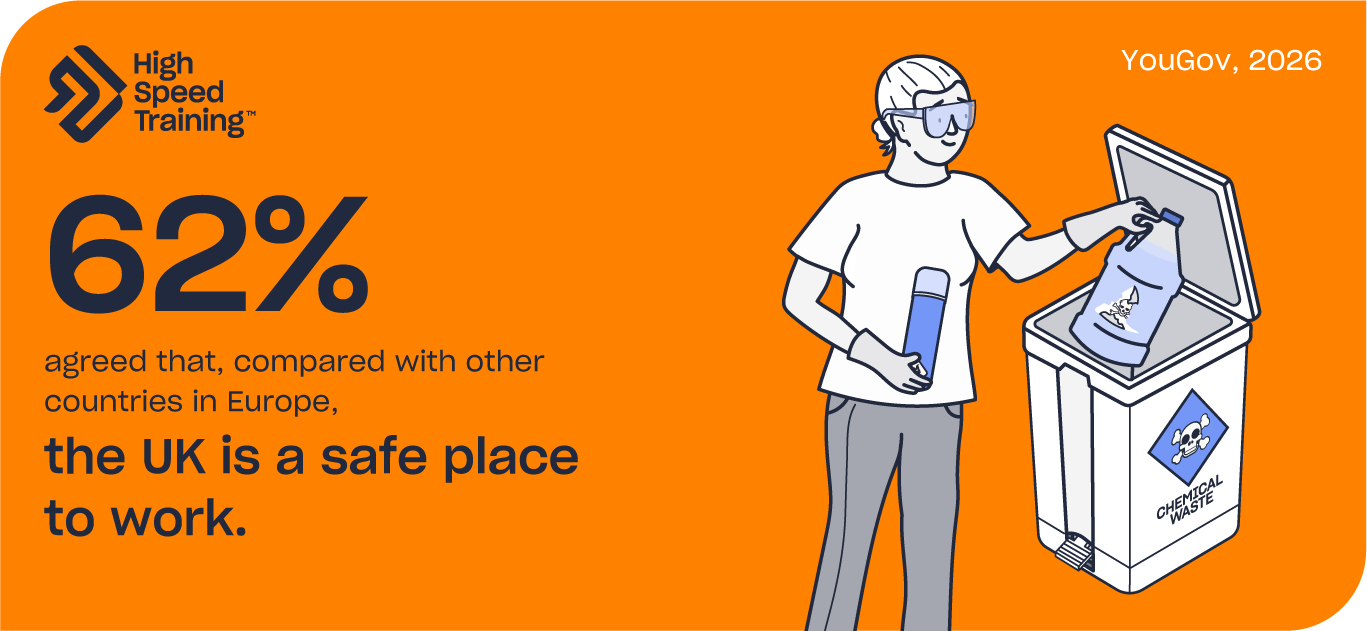
Furthermore, over six in ten adults (62%) surveyed believe that the UK is a safe place to work compared to our European neighbours. The HSE’s wider international benchmarking confirms that the UK “compares favourably to other European countries in health and safety standards.” With a domestic fatal injury rate of just 0.37 per 100,000 workers in 2025/26 (and a five-year average of 0.39), the statistics support the HSE’s assessment that Great Britain is maintaining its position as one of the safest places in the world to work.
Public Safety – a Dangerous Blindspot?
When we think of workplace hazards, we often jump straight to heavy machinery, falls from height or dangerous substances. Naturally, these dangers are often associated with the people working directly on these sites or undertaking certain jobs.
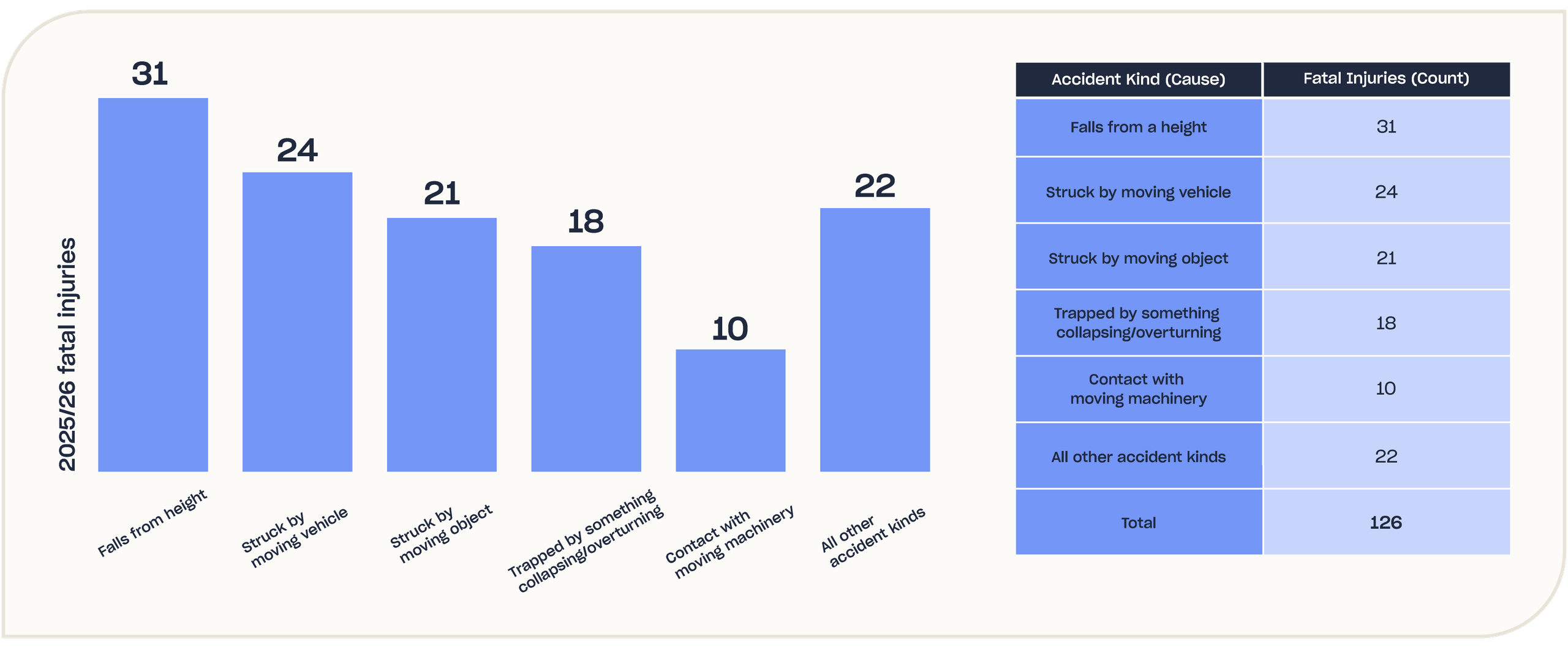
This assumption is understandable as HSE figures show that falls from height remain Britain’s deadliest workplace hazard and account for roughly a quarter of all fatal injuries in the workplace. In fact, falling from height claimed the lives of 31 workers in 2025/26 alone. Moving hazards were the next biggest killers, with 24 workers struck by moving vehicles and 21 struck by moving objects. A further 18 deaths were the result of collapses or overturning and 10 occurred from contact with moving machinery.
Workplace Fatal Injuries by Accident Kind (2025/26)
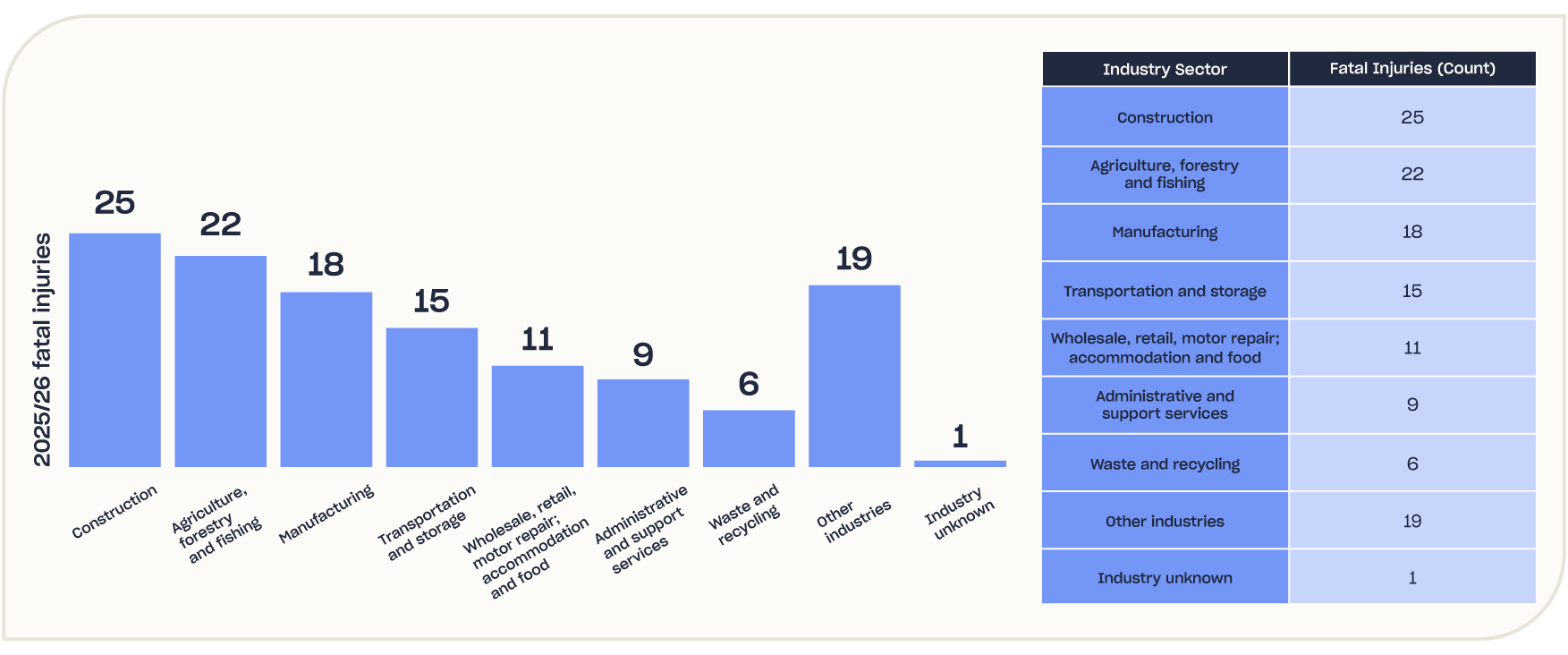
Looking at sectors, construction and agriculture continue to account for the highest number of workplace fatalities, recording 25 and 22 worker deaths respectively in 2025/26. Manufacturing (18) and transportation and storage (15) saw the next highest totals, followed by wholesale, retail, and hospitality (11), administrative and support services (9), and waste and recycling (6), with a further 19 deaths across other industries and one unknown.
Workplace Fatal Injuries by Industry Sector (2025/26)
With this data in mind, it is perhaps no surprise when comparing HSE stats against public opinion that there is a critical misconception in who may be at risk from workplace accidents.
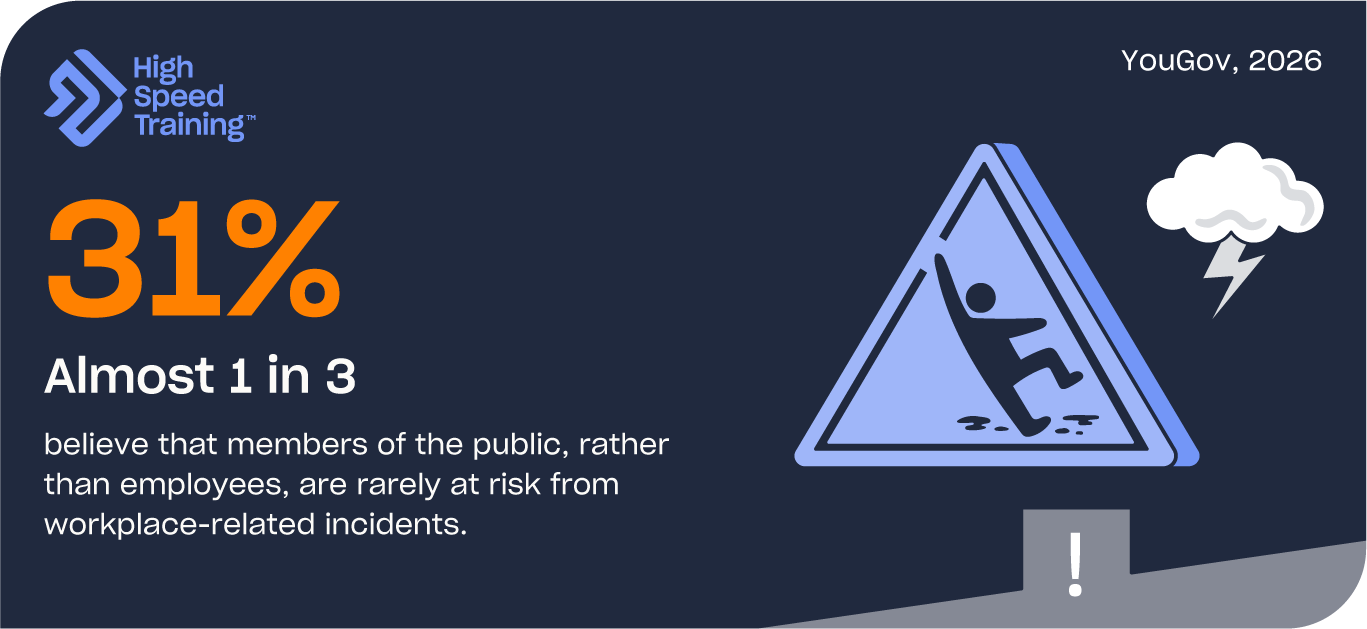
Almost 1 in 3 (31%) people surveyed believe that members of the public are rarely at risk from work-related incidents. However, in 2025/26, HSE figures show that 104 members of the public lost their lives due to work-related accidents, only 22 fewer than fatalities amongst workers.
According to the HSE, these 104 incidents occurred across a range of sectors, including 32 on railways and 59 in other service sector industries, including 23 in Health and Social Work Activities. Of the 13 public member deaths in non-service sector industries, 7 were in agriculture, forestry and fishing, 3 in construction and 3 in waste and recycling.
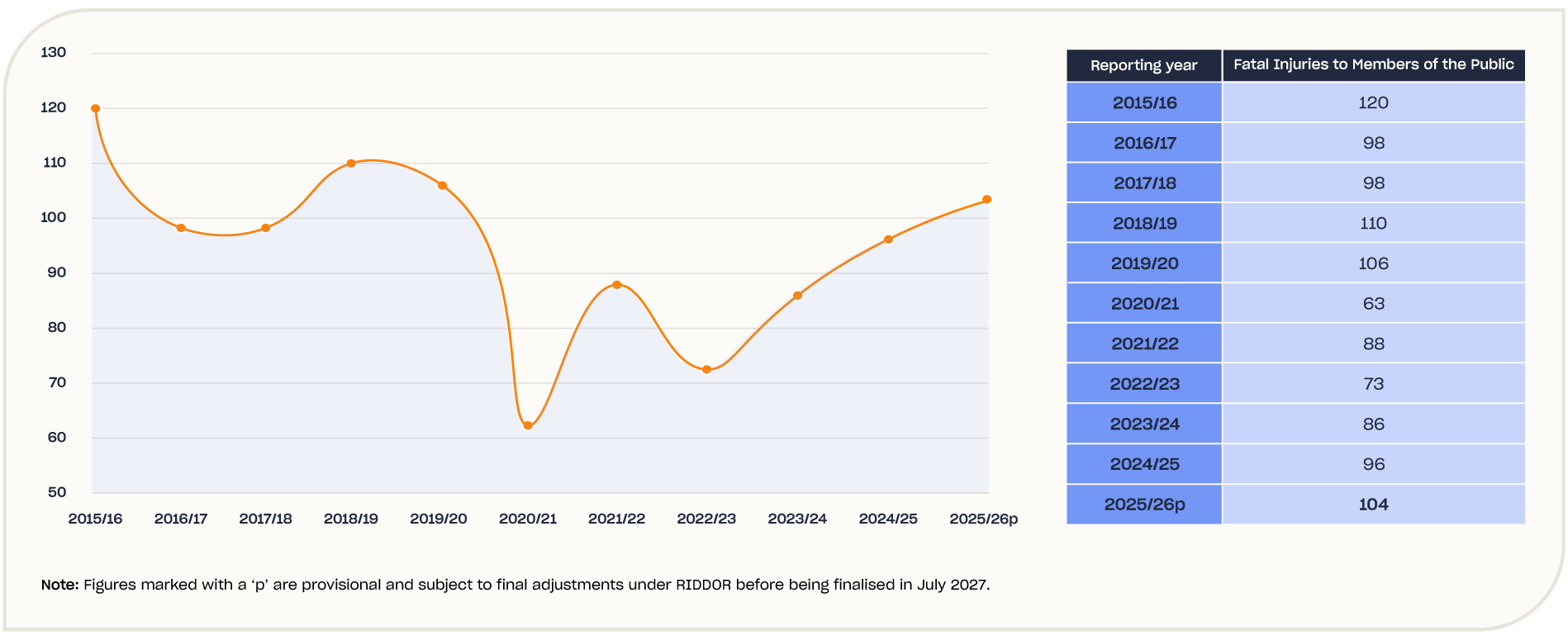
In fact, work-related deaths among members of the public rose to 104 in 2025/26, marking three consecutive years of increases from 73 in 2022/23, 86 in 2023/24, and 96 in 2024/25.
Annual Fatal Injuries to Members of the Public (2015/16 – 2025/26p)
These stats, coupled with the fact that a significant portion of those surveyed are seemingly unaware of the dangers that the general public can face from workplace incidents, indicate that there is still significant work to be done to reduce these fatalities.
This is something employers and duty holders must be aware of as workplace safety does not stop at the perimeter fence, warehouse shutter, or office door. Whether managing vehicles, business premises, or scaffolding erected over a pavement, an employer’s duty of care extends beyond staff to everyone who may interact or overlap with their area of business.
The Experience Trap
Another notable misconception which our survey highlighted was that of equating greater experience with increased levels of safety. When asked if they believed that older workers (60+) are less at risk of injury due to their experience protecting them, almost 1 in 5 (19%) of those surveyed agreed.
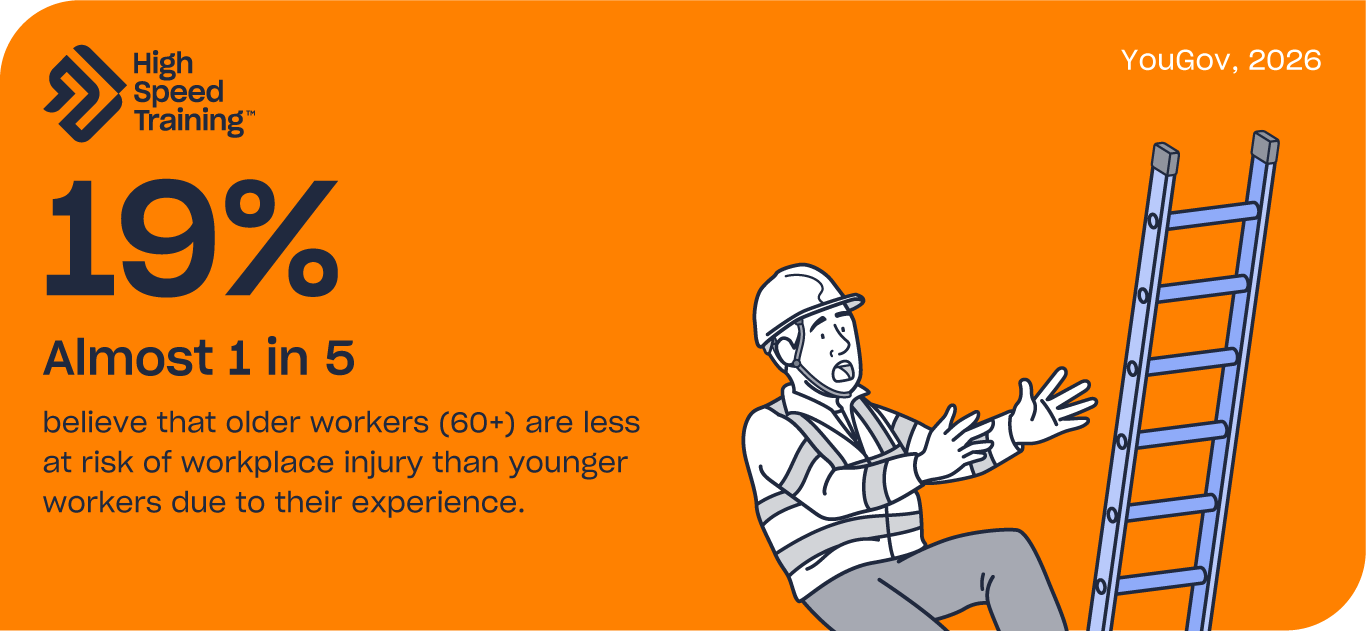
However, when focusing on the data, HSE figures show that workers over 60 account for almost one third (31%) of workplace fatalities despite only making up 12% of the workforce.
This discrepancy was even starker when comparing responses from different age groups. Of those surveyed aged 55 and over, more than 1 in 4 (27%) believed workers over 60 were less at risk due to their experience. Comparatively, less than 1 in 10 (9%) of those surveyed aged 35-44 believed the same.
Experience in the workplace is invaluable, but both workers and employers must be proactive in ensuring that this familiarity does not pass into a complacency that can put older employees at risk. Ensuring that all workers, regardless of their age and experience, are considered when implementing risk assessments and workplace provisions and that they are kept up to date with regular and appropriate training goes a long way in creating an effective health and safety culture in the workplace.
Do Different Generations View Health and Safety Differently?
When we continue to explore the attitudes of different generations of workers, some more interesting trends begin to emerge.
When looking at the youngest cohort surveyed (18-24), 16% disagreed that they felt adequately trained on health and safety for their current role. This is more than double the rate of over 55s disagreeing, at 7%.
The same figures are mirrored on the topic of health and safety breaches, with 16% of 18-24s disagreeing that they would know what to do if they witnessed a serious breach of health and safety policy, and only 7% of over 55s disagreeing. When including responses of ‘Unsure’ and ‘neither agree nor disagree’, this percentage climbs to a huge 31% for the 18-24 category, suggesting that almost a third of that cohort would not know the correct action to take in the event of a health and safety breach.
The average disagreement rate across both of these questions for all respondents who are currently employed was 10%, showing a gap when it comes to personal training and confidence and in familiarity with health and safety as a whole.
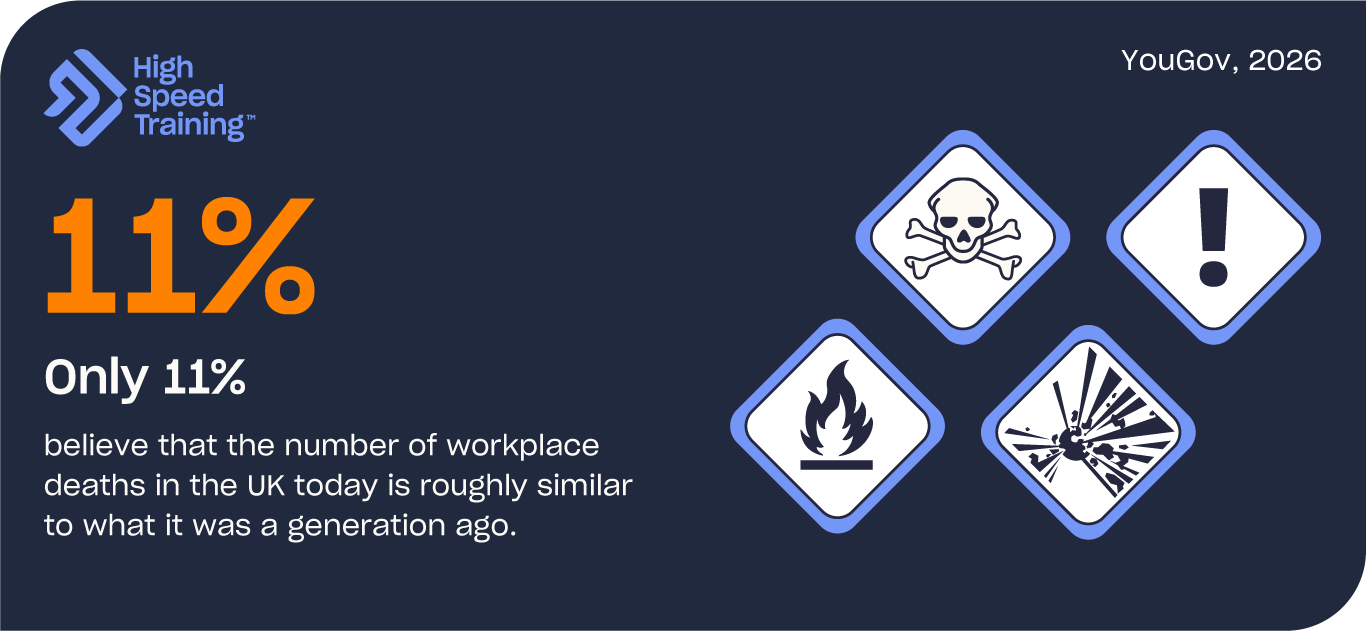
Finally, when looking at how the health and safety landscape has changed over the years, one in five (20%) of the 18-24 cohort believe that the number of workplace deaths in the UK today is roughly similar to what it was a generation ago, showing that younger employees entering the workforce often do not realise how substantially standards and protections have improved.
Having seen decades of changing safety standards, only 8% of over 55s believe levels of workplace deaths are similar to a generation ago, directly recognising the downward trend from the peak in the 1980s.
What Can Employers Do?
Workplace accidents are a regular occurrence and so it is vital that employers take every step possible to reduce the number of incidents and keep people safe.
The most common fatal causes for 2025/26 were:
- Falls from height – 31 fatalities
- Struck by a moving vehicle – 24 fatalities.
- Struck by a moving object – 21 fatalities.
Workplace deaths are preventable, and employers must ensure they do everything necessary to reduce the risks. Following these steps can reduce the risks of fatalities at work:
- Clear and well-communicated reporting system
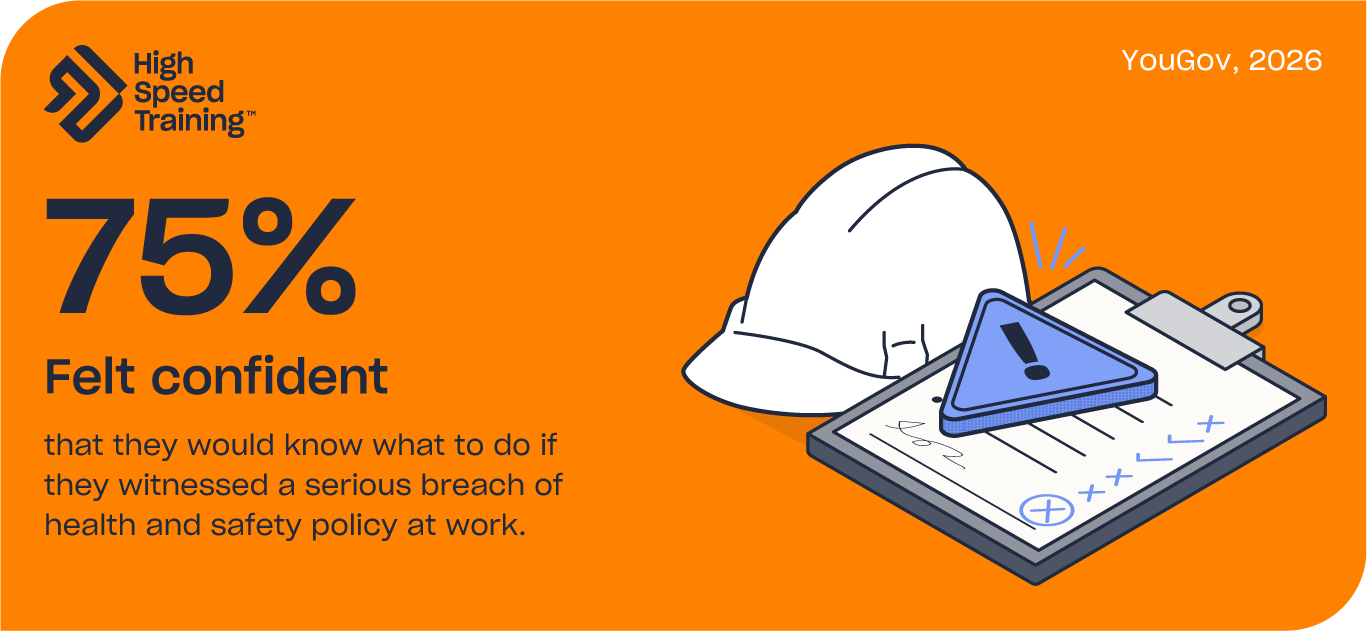
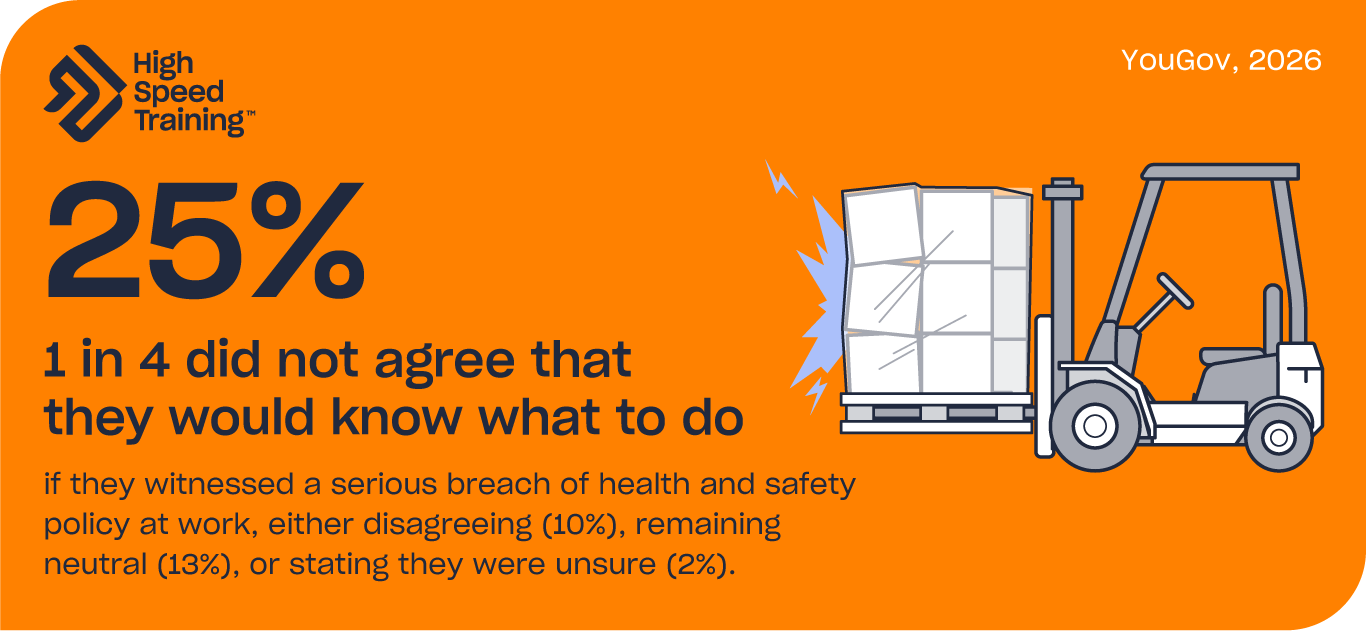
While 75% of workers reported knowing what to do in a serious breach of health and safety at work, 1 in 4 either disagreed (10%), remained neutral (13%), or were unsure (2%) what to do. Ensure incident reporting is simple, anonymous if needed, and openly discussed during onboarding and thereafter to foster a safe workplace environment.
Include reporting competence in your induction training and refreshers to cover what to report, where to report it, what good reporting looks like and what feedback to expect after making a report. To encourage employees to report safety issues, employees must be confident that their reports are going to be acted upon and that the reporting process is straightforward and will be acted on in a timely manner.
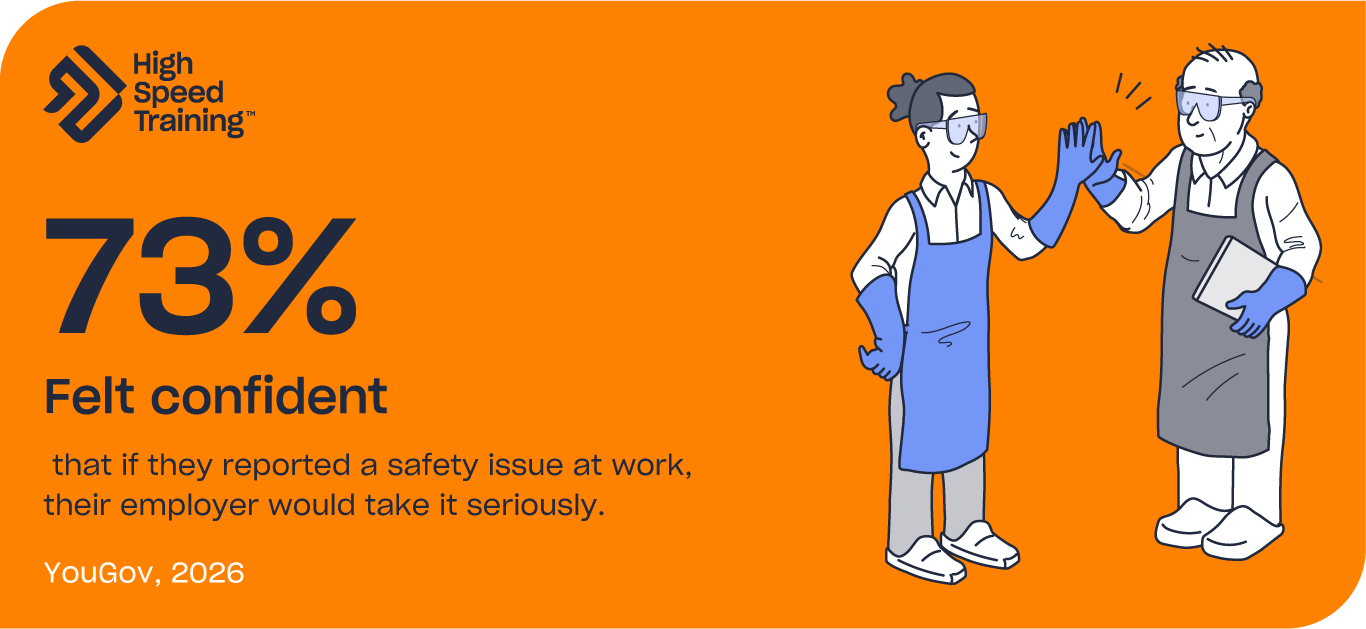
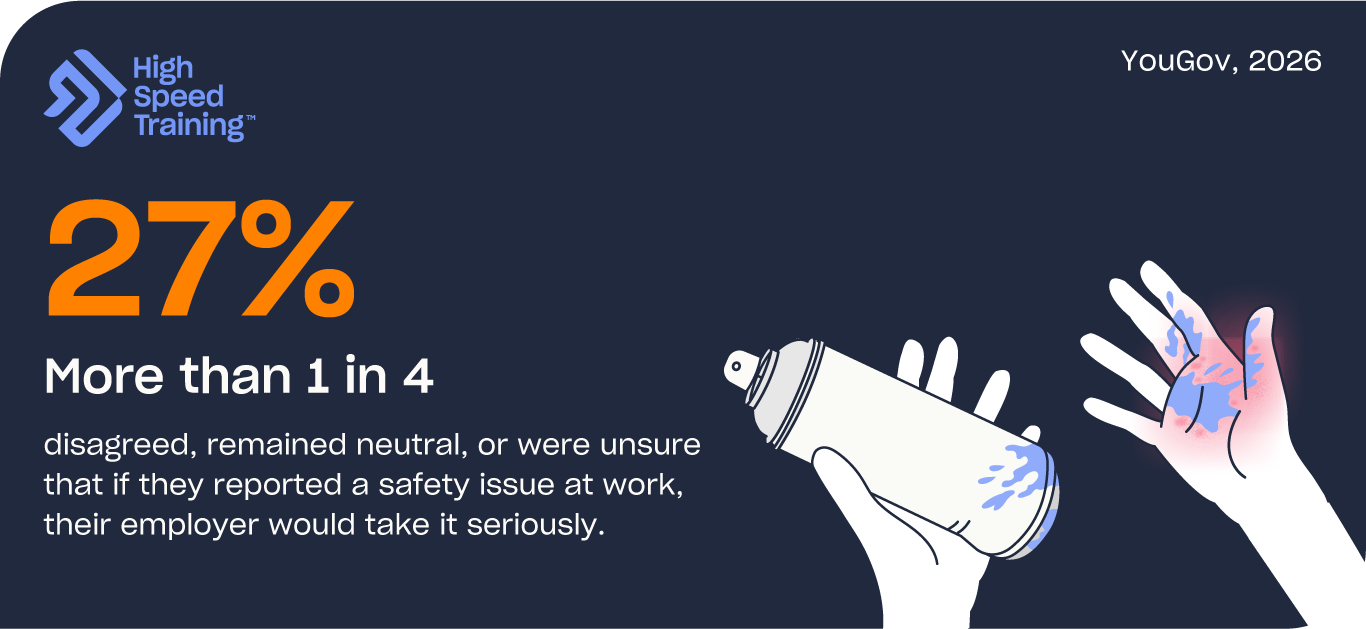
While 73% of workers surveyed felt confident that their employer would take a reported safety issue seriously, more than 1 in 4 (27%) either disagreed, remained neutral, or were unsure. As such, employees must see results from the reporting process in order to continue to report concerns.
- Carry out suitable risk assessments
Make sure everyday risk assessments account for customers, visitors, and passersby, not just employees. Work environments are constantly changing and so too are the risks; what may not be a hazard one day can become one the next day. A thorough and comprehensive risk assessment can therefore help to identify risks before they cause harm and provide employers with the chance to eliminate said risks.
- Appropriately train all employees and management
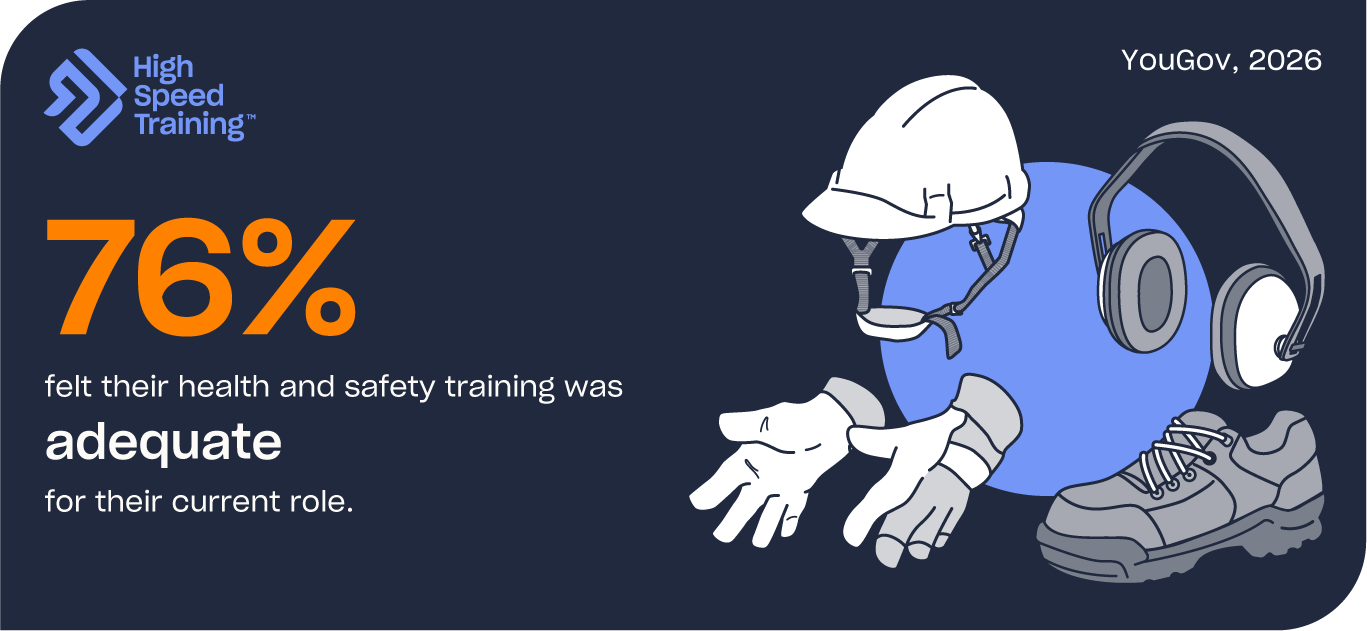
85% of those surveyed recognised the importance of training to keep people safe at work, highlighting the significance of health and safety training for employee confidence. However, despite this high number, almost 1 in 4 either disagreed, remained neutral, or were unsure that they had been adequately trained for their role, potentially placing them and others around them at risk.
Correctly trained employees are less likely to be involved in workplace accidents because they understand how to perform their duties correctly and safely. By training your employees, you will also fulfil your legal duties and help foster a positive health and safety culture.
- Tailor training to the individual
There was a significant discrepancy between older workers and younger workers regarding the adequacy of their current safety training. Whilst 7% of older workers felt that their safety training was insufficient, more than double the number of younger workers (16%) felt the same.
This, coupled with the potentially dangerous assumption that older workers are shielded from harm due to their experience, highlights that there is a knowledge gap in both age groups. To combat this, employers should explore tailoring training to each individual’s needs, reflecting their age group and experience, thereby filling harmful knowledge gaps and keeping the workplace safe.
- Create and maintain a strong safety culture
The safety culture of your organisation is the overall pattern of how people behave around risk in the workplace and the shared values, attitudes, assumptions and beliefs that you and your colleagues hold regarding safety. It also includes what you, as the employer, reward and what you allow. HSE guidance on organisational culture says “An organisation’s culture will influence human behaviour and human performance at work. Poor safety culture has contributed to many major incidents and personal injuries.”
When people are trained and competent for the task, managers respond calmly and fairly to concerns and actions are followed through and communicated. Hazards are also more likely to be raised early and resolved before anyone is harmed. Measuring progress and learning from incidents helps improvements to stick and supports a workplace where everyone plays their part in keeping each other safe.
Narrowing the perception gap
“With 85% of people recognising the importance of health & safety training and HSE figures showing a decline in workplace deaths, it is encouraging to see what training and regulation can achieve. However, it is also clear that many people do not have the correct understanding and underestimate who is at risk. Health & safety in the workplace does not end at the workplace itself and experience is not a replacement for up-to-date safety training. Employers should make sure their risk assessments consider everyone their work could affect and that every worker knows how to raise a concern“
Dr Richard Anderson, Learning Experience Director at High Speed Training.
Why Training Matters
The correct training is at the core of keeping people safe. It empowers people with the knowledge, skills, and confidence to carry out their role safely. Every business must commit time and resources to ensure that training and development requirements are met.
The Benefits of Accessible Online Training
Accessible online training can have the following benefits for your company and employees:
- Safer work environments – Providing your employees with the necessary information, instruction, training and supervision needed ensures, so far as is reasonably practicable, the health and safety of your employees at work. By providing employees with the necessary information, you remain compliant, workplace accidents decrease, staff morale increases, and staff absences decrease.
- Increased employee satisfaction – Adequately trained employees are likely to experience higher job satisfaction and lower levels of work-related stress. If your employees are feeling happy and valued, the chances of them searching elsewhere for progression and development opportunities will decrease. If you want to retain good employees, invest in their happiness by prioritising their development.
- Higher productivity – With constant updates in technology and an increase in global trading, the level of competition between businesses is ever increasing. This means that it’s even more important that your workforce is adequately trained and has the education and skill levels needed to work safely and productively. Well-trained employees are more likely to feel valued, which will increase workplace productivity, loyalty and engagement. By giving your employees the necessary skills from the get-go, you will reduce the time, money and resources needed to rectify mistakes. Once you invest in your employees’ training you’ll see productivity and profits soar.
- Decreased staff turnover – As well as decreased workplace stress, well-trained employees are likely to feel appreciated in their jobs. If you demonstrate that you are an employer who is invested in the development and success of your employees, you are more likely to see an increase in company loyalty and staff morale. To learn about the causes of employee turnover and how to reduce it, see our article, here.

Want to Know More?
At High Speed Training we are dedicated to keeping people safe. Trusted by thousands of businesses in the UK and beyond, our fully accredited and award-winning courses cover everything from food hygiene, safeguarding, health and safety and more to ensure you and your team get the best learning experience possible.
Want to Learn More About Health and Safety?
The following courses can provide employers and employees alike with comprehensive training that enables everyone to work safely:
- Health and Safety Training For Employees
- Health and Safety Training For Managers
- Managing Health and Safety Training
- Working at Height
- Risk Assessment Training
Methodology
Survey Data
All figures, unless otherwise stated, are from YouGov Plc. Total sample size was 2061 adults, with 1,215 currently employed. Fieldwork was undertaken between 6th and 7th October 2026. The survey was carried out online. The figures have been weighted and are representative of all UK adults (aged 18+).
Workplace Fatality Data
Data source: RIDDOR: Reporting of Injuries, Diseases and Dangerous Occurrences Regulations. Figures for 2025/26 are published as provisional at this stage and will be finalised July 2027.
Further Resources:
- 2026 Guide to Safety Culture
- Health & Safety Policy: Free Template
- Unsafe Acts in the Workplace
- Online Health and Safety Courses


Post Author

You may also like