

What is Respiratory Protective Equipment?
 4 min read
Respiratory hazards can be incredibly dangerous and dust, fumes, gases, vapours and other airborne substances can cause both immediate and long-term harm if they are breathed in. Therefore, it’s important to have suitable controls in place to protect people who need it. In this article, we’ll outline the role of respiratory protective equipment (RPE), when RPE should be used, the different types of RPE available and the regulations employers need to be aware of.
What is the Role of Respiratory Protective Equipment?
Respiratory protective equipment, often shortened to RPE, is equipment designed to protect the wearer from breathing in hazardous substances that may be present in the air. These substances can include dust, fumes, gases, vapours and airborne particles, including biological agents in some workplaces.
One of the things that makes respiratory hazards particularly dangerous is that they’re not always obvious. You may be unable to see, smell or feel a hazardous substance, even when it’s present at a level that could harm your health. For example, some harmful dusts can be too small to see and some gases have no smell.
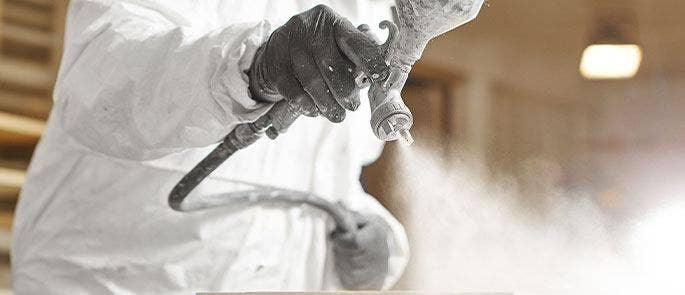
RPE works by either filtering contaminants from the air before you breathe them in or by supplying the wearer with clean, breathable air from an independent source. The type of protection required will depend on the specific hazard and the working environment.
However, RPE shouldn’t be the first or only control measure considered. In all instances, employers should first look at whether exposure to hazardous substances can be prevented or controlled through other measures, such as eliminating the hazardous substance, changing the way work is carried out or using suitable engineering controls. RPE may then be required where a risk cannot be adequately controlled by other means.
When Should You Use Respiratory Protective Equipment?
Respiratory protective equipment should be used whenever a risk assessment identifies that people could be exposed to hazardous substances in the air and that exposure cannot be adequately prevented or controlled by other suitable measures.
This could apply in a wide range of workplaces and industries, whether you’re working on a construction site, undertaking asbestos-related work, treating patients, spraying chemicals or fabricating parts in a workshop, the work you carry out may create airborne hazards that need to be controlled.
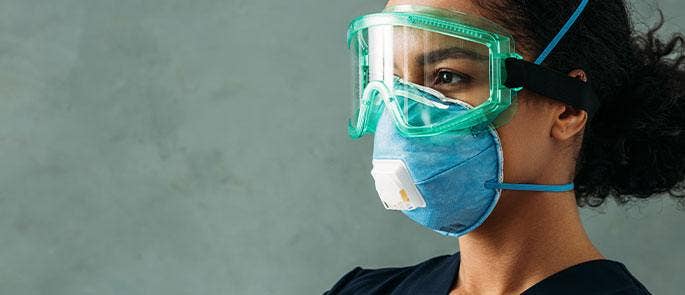
Common situations where RPE may be required include:
- Cutting, sanding or drilling materials that create hazardous dust.
- Working with substances that produce fumes, gases or vapours.
- Carrying out work that may expose people to asbestos fibres.
- Using paints, solvents or other hazardous chemicals.
- Welding or carrying out other hot work that produces harmful fumes.
- Working with biological agents or infectious materials where respiratory protection is required as part of the risk controls.
- Entering certain confined spaces or other environments where the atmosphere may be unsafe to breathe.

Want to Learn More?
RPE can only provide effective protection when it creates an adequate seal against the wearer’s face. Face-fit testing is therefore an important part of ensuring suitable protection. Our Respiratory Protective Equipment (RPE) Training helps you understand the requirements for selecting, fitting and checking tight-fitting RPE.
Types of Respiratory Protection
There are different types of respiratory protective equipment available and it must be selected carefully to ensure it provides an appropriate level of protection for both the hazard and the wearer.
Employers should consider factors such as the concentration of the hazardous substance, the type of work being carried out, the duration of exposure and the working environment when deciding which equipment is most suitable. It’s also important not to assume that one type of RPE will protect against every respiratory hazard.
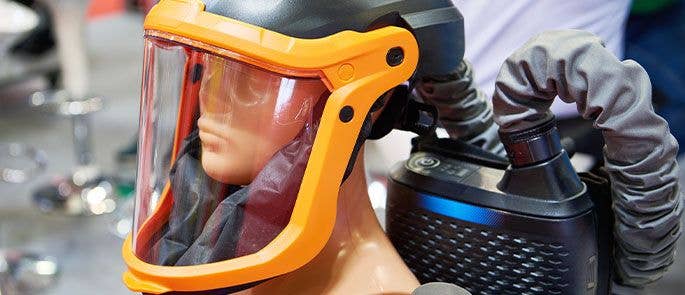
There are two main types of respiratory protection:
1. Filtering respirators
Filtering respirators clean the air as the wearer breathes by passing it through a filter that removes certain contaminants. They rely on there being enough oxygen in the surrounding air and should only be used where they are suitable for the particular hazard.
Examples of filtering respirators include disposable filtering facepiece respirators (FFP masks), reusable half masks with replaceable filters, full-face masks with suitable filters and powered air respirators, which use a fan to draw air through a filter and supply it to the wearer.
Different filters provide protection against different substances, so selecting the correct filter is essential. For example, a filter designed for certain particles will not necessarily protect against gases or vapours.
2. Breathing apparatus
Breathing apparatus supplies the wearer with breathable air from an independent source, rather than filtering the air in the surrounding environment. It may be required where the atmosphere is oxygen-deficient or where filtering respirators cannot provide adequate protection.
Examples of breathing apparatus include supplied-air systems and self-contained breathing apparatus. These are often used in higher-risk environments, such as certain confined spaces or emergency situations.
Respiratory Protective Equipment Regulations
Employers’ duties relating to RPE come from a range of UK health and safety legislation and regulations, depending on the work being carried out and the hazards involved. The key legal duties and requirements that may apply include:
- The Health and Safety at Work etc. Act 1974 – employers have a general duty to protect the health, safety and welfare of employees and to protect others who may be affected by their work.
- The Control of Substances Hazardous to Health Regulations 2002 (COSHH) — employers must prevent or adequately control exposure to substances that are hazardous to health. RPE may be required where other control measures do not adequately reduce exposure.
- The Personal Protective Equipment at Work Regulations 1992 – where RPE is provided as personal protective equipment (PPE), employers have duties relating to its suitability, maintenance, storage, information and training.
- The Control of Asbestos Regulations 2012 – specific requirements apply where work may expose people to asbestos, including requirements relating to suitable respiratory protective equipment.
- The Confined Spaces Regulations 1997 – employers must take suitable precautions where people work in confined spaces and this may include the use of appropriate breathing apparatus where the atmosphere could be unsafe.
It’s also important to note that providing RPE is not enough on its own. Employers must ensure that it is suitable, properly maintained and used correctly, and workers must also receive the information, instruction and training needed to understand the risks involved and how to use the equipment safely.
Respiratory hazards are not always easy to identify, but the harm they can cause can be serious. By understanding when RPE is required, selecting suitable equipment and ensuring it is fitted and used correctly, employers and workers can play an important role in reducing exposure to hazardous substances.
Further Resources:
- Respiratory Protective Equipment (RPE) Training
- Dust Hazards in Construction: Importance of Managing Risks & RPE
- Toolbox Talks in Construction: Guidance on Meeting Topics and Resources


Post Author