

What is Teacher Misconduct?
 5 min read
Teacher misconduct is a serious issue that can place children at risk and undermine trust in education. Anyone working in a school setting has a responsibility to understand what teacher misconduct is and how to respond to concerns. In this article, we’ll outline what teacher misconduct means and provide clear examples of it, then explain how schools can help to prevent misconduct and what to do if you suspect teacher misconduct in your setting.
What is Teacher Misconduct?
Teacher misconduct refers to behaviour by a teacher that falls below the expected standards of the profession. It occurs when a teacher acts in a way that goes against professional codes of practice, education regulations or the law.
Misconduct can have serious consequences – it can harm students directly, damage the learning environment and reduce confidence in schools. When misconduct involves verbal or physical behaviour, it can cause students to feel anxious or unsafe which may lead to school avoidance, reduced engagement with learning and a loss of self-esteem.

Teacher misconduct is not limited to actions within the classroom and behaviour outside of school can also be considered misconduct if it affects a teacher’s suitability to work with children or undermines public trust in the profession.
Examples of Teacher Misconduct
Teacher misconduct can take many forms, ranging from unprofessional behaviour to serious safeguarding breaches. Serious misconduct usually involves behaviour that poses a safeguarding risk, breaks the law or significantly damages trust in the teaching profession. Understanding these examples can help staff and parents recognise concerns early.
Examples of teacher misconduct include:
- Verbal abuse towards students, such as shouting, humiliation or discriminatory language.
- Physical abuse or inappropriate use of restraint.
- Inappropriate relationships or communications with students, including online contact.
- Sharing or accessing inappropriate images or material.
- Failure to maintain professional boundaries with students or parents.
- Neglecting professional responsibilities, such as persistent absence or misuse of school time.
- Dishonesty, including falsifying records or exam-related malpractice.
5 Recent Cases Involving Teacher Misconduct
Looking at real-life cases can help schools understand how misconduct is identified and addressed. The examples below show that misconduct can take different forms but is always treated seriously, particularly where student safety is involved. Here are five recent cases from the UK that illustrate different types of teacher misconduct and how they were handled:
- Sexually Inappropriate Comments to a student
A secondary school teacher in south London was banned from the profession after recordings emerged of him making sexually explicit comments to a teenage student, including discussing having sex once she turned 18. The Teaching Regulation Agency (TRA) issued a prohibition order following a misconduct panel. - Teacher Grooming students and Ban from Teaching
In Salford, a former teacher who groomed two students and engaged in sexual activity with them was convicted of multiple sexual offences and later faced a misconduct hearing. The TRA imposed a permanent ban on her teaching following her conviction and misconduct panel outcome. - High Court Prohibition for Inappropriate Messages
A teacher was removed from the teaching register by the High Court after sending hundreds of inappropriate messages to male students. This serious breach of professional conduct was treated as unacceptable and justified removal from the register. - Pornographic Content on a School Laptop
A teacher in Essex was banned from the profession after using a school laptop to access adult chat and pornographic sites during lessons over several months. The TRA panel concluded this behaviour was reckless and inappropriate in the presence of students. - Historic Child Sexual Abuse Conviction
A former teacher in Plymouth was recently found guilty at trial of multiple sexual abuse and indecency offences against two female students during the 2000s. The court conviction illustrates how criminal behaviour outside the immediate school setting still leads to serious professional and legal consequences.

How to Prevent Teacher Misconduct
Schools and safeguarding teams play a key role in preventing teacher misconduct. Clear systems, strong leadership and a positive safeguarding culture all help to reduce risk.
Steps schools can take to help prevent teacher misconduct include:
- Using robust safer recruitment practices, including thorough background checks, targeted interview questions and checking references.
- Providing regular safeguarding training for all staff.
- Ensuring all staff understand professional boundaries and codes of conduct.
- Creating clear policies for behaviour, whistleblowing, disciplinaries and reporting concerns.
- Encouraging an open culture where concerns can be raised without fear.

Want to Learn More?
Our online Safer Recruitment and Safeguarding Courses are designed to help ensure all school staff understand their responsibilities and feel confident in protecting children.
How to Report a Teacher for Misconduct
Reporting teacher misconduct is an important safeguarding responsibility. If a child is at immediate risk, the police or children’s social care should be contacted without delay. The process for reporting a concern may vary depending on who you are and the nature of the issue but, in general:
- If you are a colleague – report concerns to the headteacher or designated safeguarding lead as soon as possible. Follow your school’s safeguarding and whistleblowing procedures.
- If you are an employer or school leader – serious concerns should be investigated promptly and may need to be referred to the local authority, the Teaching Regulation Agency or the police.
- If you are a parent or member of the public – concerns can be raised with the school in the first instance. In cases involving serious misconduct, reports can be made directly through the government’s teacher misconduct reporting process.
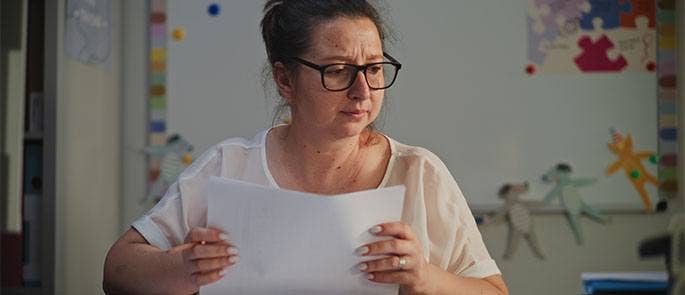
Teacher misconduct can have lasting effects on students, schools and communities. Understanding what misconduct looks like, how it’s prevented and how to report concerns is essential for anyone with safeguarding responsibilities. By acting quickly on concerns of teacher misconduct, schools can help to protect children and maintain trust in the teaching profession.
Further Resources:
- Safeguarding Courses
- Safeguarding Interview Questions for School Teachers
- Signs of Abuse in Children




Post Author

You may also like