
Working at Height Risk Assessment: Free Template
 6 min read
Working at height is one of the leading causes of serious workplace injuries and fatalities in the UK. Falls from ladders, roofs, scaffolding and other high up areas can have severe consequences, which is why properly identifying hazards and putting suitable control measures in place is so essential. In this article, we’ll explain what a working at height risk assessment involves, outline common working at height hazards and provide text goes a free risk assessment template to help you manage risks in your workplace.
What is a Working at Height Risk Assessment?
A risk assessment for working at height is the process used to identify hazards, evaluate risks and implement control measures to prevent falls and injuries when work is carried out above ground level.
Working at height includes any work where a person could fall and injure themselves if precautions are not in place. This could involve using ladders, working on roofs, operating from platforms or accessing elevated storage areas.
In the UK, the law requires employers (and self-employed contractors) to assess the risks from working at height and then plan and organise the work so it can be carried out safely. This includes ensuring that appropriate equipment is used, workers are trained and risks are reduced as far as reasonably practicable.
Responsibility for carrying out the risk assessment lies with the employer or a competent person appointed to manage health and safety. Employees also have a duty to follow safe systems of work and report any hazards they come across in their work.
Working at Height Hazards
There are a range of hazards associated with working at height, many of which can be identified and controlled with a thorough risk assessment. Understanding these hazards is key to preventing accidents and allows you to put practical measures in place that significantly reduce the risk of injury.
Some common working at height hazards and examples of how they can be controlled are:
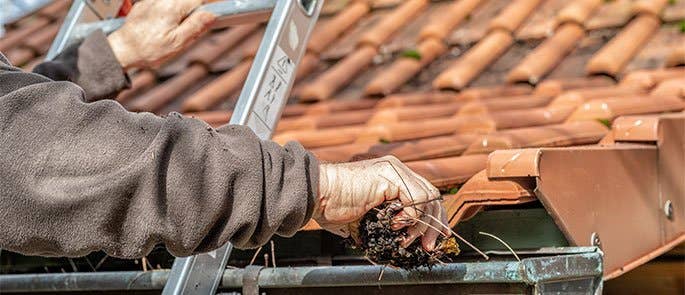
- Fragile surfaces such as skylights or roof materials that cannot support weight – control measures include clearly marking fragile areas and using crawling boards or fall protection systems.
- Ladders that are unstable or unsuitable – control measures include inspecting ladders before use and ensuring it is appropriate for the task.
- Poor weather conditions such as rain, wind or ice – control measures include postponing work where conditions are unsafe and using additional safety precautions where necessary.
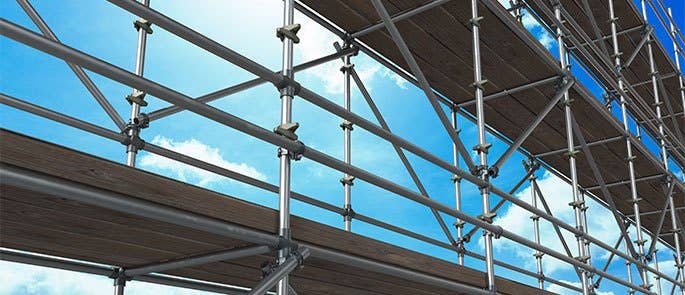
- Falling objects that could injure people below – control measures include using toe boards, debris nets and exclusion zones with scaffolding.
- Inadequate edge protection on roofs or platforms – control measures include installing guardrails or barriers to prevent falls.
- Overreaching or improper use of equipment – control measures include training workers thoroughly and ensuring correct working techniques are followed.
- Poor lighting, making hazards difficult to see – control measures include providing sufficient lighting in all working areas.

Want to Learn More?
Proper training is essential for safe working at height so that risk is reduced and legal requirements are met. Our online Working at Height Course, Safety Harness Training and Ladder and Stepladder Safety provide you and your workers with everything you need to know in order to work safely at height.
How to Do a Risk Assessment for Working at Height
Carrying out a risk assessment ensures that all hazards are identified and managed effectively before work begins. It also helps you to meet your legal duties.
A working at height risk assessment should always be carried out by a competent person who has the knowledge, experience and training to identify risks and implement appropriate controls.
The key elements of a risk assessment for work at height are known as the 5 Steps to Risk Assessment:
- Identify the hazards – look at the tasks and working environment to identify anything that could cause harm. This includes access points, equipment, surfaces and environmental conditions.
- Decide who might be harmed and how – consider employees, contractors and members of the public. Think about how they could be affected by a fall or falling object.
- Evaluate the risks and implement control measures – assess the likelihood and severity of harm. Apply the hierarchy of controls, such as avoiding work at height where possible, using safer equipment or introducing protective measures.
- Record your findings – document the hazards, risks and controls you have identified. This ensures there’s a clear record and helps communicate safety measures to others.
- Review and update the assessment – regularly review the risk assessment, especially if there are changes to the task, environment or equipment, or after an incident.
Working at Height Risk Assessment Template
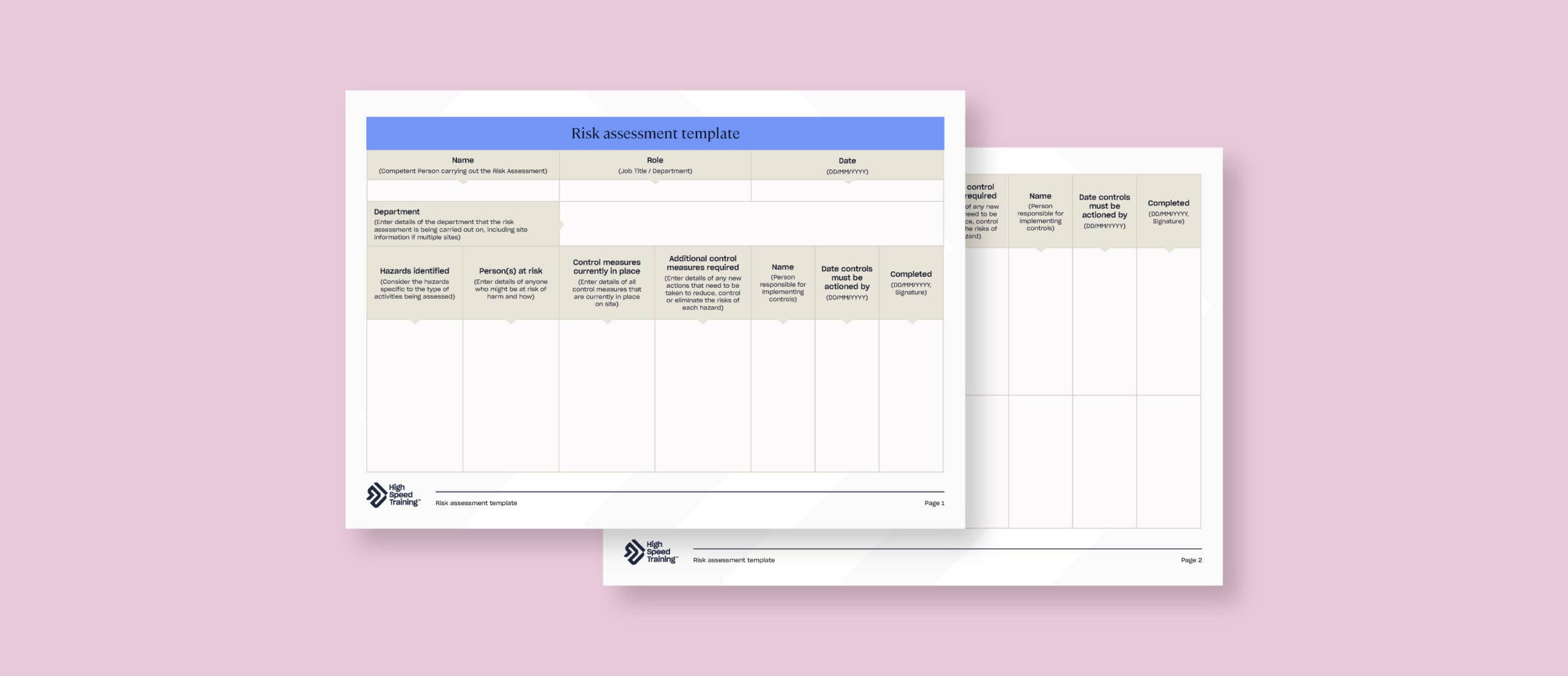
Using a working at height risk assessment template can make it much easier to carry out and record your risk assessment, as it provides a clear structure and ensures that all important information is captured.
To use the template, begin by reviewing each working at height task and identifying the potential hazards. Then record who may be at risk and what controls are already in place. Finally, note any further actions needed to further reduce the risks and ensure you assign responsibility for completing them.
You can download a free risk assessment template here:
Working at height presents serious risks, but with careful planning and a thorough risk assessment, these risks can be effectively managed. By identifying hazards, putting suitable controls in place and regularly reviewing your processes, you’ll meet legal requirements and create a much safer working environment for everyone.
Further Resources:
- What are Safe Systems of Work?
- Using Fall Protection to Control Working at Height Hazards
- Working at Height Training


Post Author

You may also like