

What is a School Breakfast Club?
 6 min read
Breakfast clubs have numerous benefits, including enabling children to arrive in plenty of time for school and having extra social time with peers. They also ensure a child receives a healthy breakfast every day which, unfortunately, may not be the norm for some children. Many schools voluntarily offer breakfast clubs for students, helping to ensure they have the best start to the day. Under the new Children’s Wellbeing and Schools Bill it will become a requirement for state primary schools to provide free breakfast clubs for students.
Missing breakfast can affect energy levels, concentration, and a child’s ability to sit in a classroom and learn. School breakfast clubs can provide this vital meal for children whilst helping parents who may have early work commitments. However, in order to prepare food for children, you need to be aware of basic food hygiene and safeguarding requirements.

Want to Learn More?
We have a number of Food Hygiene Training Courses that you can complete online and at your convenience. From Level 2 Food Safety & Hygiene to Food Allergen Awareness, you will find a range of training suitable for food handlers in schools.
What is a School Breakfast Club?
A school breakfast club is a club for children that takes place before school starts, usually about an hour beforehand. They’re typically run on the school premises, allowing children to walk to their classrooms when the school day begins. They can be led by teachers, teaching assistants, school catering staff, volunteers, or people who are employed specifically for the club.

At a school breakfast club, children have the opportunity to have fun with their friends and have a filling breakfast before the day’s learning begins. Some children who attend a breakfast club may not receive breakfast if they do not attend, so the club is crucial for preparing them for the upcoming day.
School breakfast clubs are known to improve attendance, punctuality, concentration, behaviour, and educational attainment. They can also benefit parents by fulfilling a childcare function if they must start work earlier than school begins.
School Breakfast Club Regulations
There are no official regulations surrounding school breakfast clubs that state the training requirements for those who run, lead, or work at them. However, if you do plan on working or running one of these clubs, then you should undertake some level of training so you know how to keep children safe. This could include:
- Safeguarding training. Anybody who works with children must know how to keep them safe and protect them from harm. You should know how to recognise signs of abuse and neglect and how to respond. Taking an Introduction to Safeguarding Children training course will help you to do this. It would also be beneficial to have a Designated Safeguarding Lead available at your club.
- Level 2 Food training. If you are preparing food for children’s breakfasts, then it’s important that you know the rules of good food hygiene practice and how to ensure the food you prepare is safe. Level 2 Food Safety and Hygiene for Catering will provide you with the appropriate knowledge.
The Children’s Wellbeing and Schools Bill
The Children’s Wellbeing and Schools Bill is a Bill that seeks to ensure that children get a great education and are better protected. In order to achieve this, the Bill introduces a series of measures which encompass the many different aspects of a child’s life. You can read about the Bill in more detail here.
Amongst many things, the Bill introduces provisions for breakfast clubs. Under these measures state schools will be required to ensure that all registered children from reception to Year 6 have access to a free breakfast club before school. These clubs should last for at least 30 minutes and include food. Schools will be funded directly by the Department for Education (DfE) and should use that funding to cover:
- Food, including delivery
- Staffing costs
- Administrative costs

The Bill has not yet been ratified however it is expected to receive Royal Assent soon. In April 2026 the DfE started a national roll out of breakfast clubs and schools that offered free breakfast clubs reported improvements in behaviour, attendance and academic attainment. Breakfast clubs are currently voluntary and will remain voluntary for secondary school students. However, upon ratification state schools will be legally required to provide breakfast clubs for all registered pupils.
Allergy Awareness
The Schools (Allergy Safety) Bill, also known as Benedict’s Law, is an amendment to the Children’s Wellbeing and Schools Bill that introduces protective measures to improve allergy safety in schools. You can read more about Benedict’s Law here. Under the new law, schools will be required to have a standalone allergy policy, provide staff with training and have access to an emergency adrenaline auto-injector (AAI).
Allergy awareness saves lives and Benedict’s Law will mandate provisions to keep children with allergies safe. As such, any school that runs a breakfast club must ensure that they are legally compliant and allergy safe. This can be achieved by ensuring all staff are trained, allergy safe alternatives are offered and that cross-contact is prevented.
What Should Be Included on a Breakfast Club Menu?
There are no strict requirements for the food you serve at your breakfast club, except that it should be healthy and well-considered. Choose to have a well-rounded range of healthy food options, including things like cereal, toast, porridge, fresh fruit, yoghurts, milk, and juice.
Always consider the dietary requirements of children who are attending your breakfast clubs. You must know if any children have allergies or intolerances and it’s essential that you accommodate these. For example, providing gluten-free breakfast cereals for a child with a gluten intolerance or some non-dairy milks for a child with a dairy allergy.
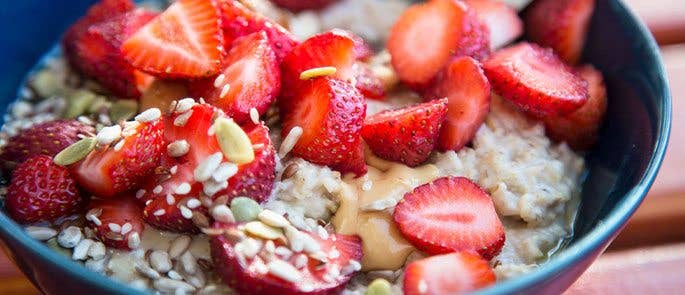
Aim to make your breakfasts healthy and nutritious whilst also switching it up every now and again. For example, you could have a ‘treat’ breakfast like pancakes on the final Friday of the month, or celebrate occasions like Easter with boiled eggs.
Creative Ideas for Your Breakfast Club
As well as being a place where children can receive a healthy and nutritious breakfast for the day ahead, a school breakfast club should also be a place where children can socialise with their friends and, especially, have fun.
To bring some creativity to your school breakfast club, you could:
- Get arty. Give your students an opportunity to get arty and creative before the school day starts. You could create posters for things like healthy food choices, create decorations for your workspace (like bunting), or get involved in a crafty team project like making a wall display.
- Be puzzled. Puzzles are a great way to get our brains working and our minds ticking. Encourage children to piece together a jigsaw, play board games, or complete a brain-teaser challenge, like a word-search or a sudoku.
- Read and read some more. We cannot dispute the power of reading for children. There’s no such thing as reading too much, and we should be encouraging children to read as often as they can. Have a supply of books at your breakfast club, both fiction and non-fiction. You could even set up a book club to discuss books or encourage older and younger children to pair up as ‘reading buddies’ and read books together.
- Move it. Getting active at the start of a day is a proven way to wake us up and kick our metabolism into action for the day. Try to implement a physical activity into your breakfast club at least once a week. This can be as varied as you want, from a game of football in the school playground to a Wake Up Shake Up routine.
- Celebrate special events. Mix your breakfast club up a bit! Rather than always sticking to the same foods and activities, celebrate special events and occasions. For example, bake some Christmas treats in the festive period, design some decorations to celebrate Eid, or make cards for Mother’s Day. You could even invite parents along to celebrate special occasions, such as having a teddy bear’s picnic for Father’s Day.
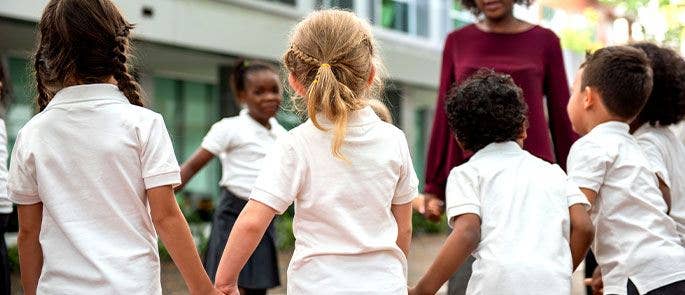
School breakfast clubs are a great start to any child’s school day. They give children the opportunity to have fun with their friends, learn and play, and most importantly have a healthy nutritious breakfast. Set up a breakfast club in your school and see how both students and parents respond.
Further Resources:
- Level 2 Food Safety and Hygiene for Catering Training
- How to Start a Food Business from Home
- Take Our Designated Safeguarding Lead Quiz
- What are the Food Hygiene Requirements in a School?




Post Author

You may also like