

How to Transport Food
 5 min read
Transporting food from one place to another, from a kitchen to a community centre, or from a storage site to a food bank, can seem straightforward but it can create food safety related challenges. Temperature control, cross-contamination risks and hygiene must all be managed carefully. In this article, we’ll explain what you need to consider in regards to food safety practices, suitable equipment and legal obligations in the UK when transporting food.
What are the UK Food Transport Regulations?
Under UK law (the Food Safety Act 1990), all food businesses, including non-profits, charities and community groups, must ensure that any food they supply or deliver is high quality and safe to eat.
To help you comply with UK food transport regulations, you should:
- Include food transport in your food safety management system. This includes applying the HACCP principles to identify hazards during transport and put appropriate controls in place.
- Make sure that anyone handling food has the right level of food hygiene training for their role.
- Ensure all vehicles and containers used for transport are clean, well maintained and suitable for carrying food safely.
- Always keep raw food separate from ready-to-eat food.
- Keep accurate records where required by your HACCP plan, such as cleaning schedules, temperature checks and delivery logs.
- Check that the packaging used for transport is food-safe, undamaged and capable of protecting food from contamination.
- Ensure vehicles are free from pests and store food off the vehicle floor wherever possible.
- Use clear labelling on all packaged food, especially when transporting items for people with allergies or specific dietary requirements.
- Have procedures in place for dealing with food that becomes unsafe during transport, such as damaged packaging or temperature breaches.

Want to Learn More?
Using a HACCP-based food safety system and ensuring all staff or volunteers are trained in how it works helps to ensure safe food transport and supports legal compliance. Take a look at our range of online HACCP Training Courses to learn more.
Maintaining Temperature: Hot and Cold Food Holding Compartments
Keeping food at the right temperature is one of the most important parts of safe food transport as it helps prevent harmful bacteria from growing. The main thing to remember is that food must be kept outside of the temperature danger zone. This means:
- Hot food that is being held hot for delivery should remain at or above 63 °C. (As best practice, food should be heated to 70 °C for at least 2 minutes before transport).
- Chilled food should be kept at 5 °C or below during transportation.
- Frozen food should remain at or below –18 °C during transportation.
Hot and cold food holding compartments must be designed to keep food insulated so that these safe temperatures are maintained at all times during transportation. To maintain a safe temperature:
- Use insulated containers, refrigerated vehicles, cool boxes, gel packs or hot-holding boxes.
- Pre-heat insulated containers before placing hot food inside them so the container does not draw heat away from the food.
- Keep lids closed as much as possible to prevent heat escaping during loading, transport and unloading.
- Transport hot food in smaller, shallow containers where suitable, as these help maintain temperature more effectively and reduce heat loss.
- Minimise the time between cooking and transport by preparing the vehicle and containers before food is ready.
- Fill containers fully where possible, as air gaps can cause heat loss.
- Avoid transporting hot and cold food together in the same compartment, as this can disrupt temperature control.
- Monitor food temperatures before dispatch using a probe thermometer to make sure the food is at a safe level, then check and record the food temperature again on arrival to confirm it has remained within a safe range.
- If food drops below 63 °C during transport, only reheat it once and serve it immediately.
- Plan your route and timing well, so food makes the journey quickly without unnecessary delays.
- Keep the hot chain or cold chain intact to ensure the food is safe by the time it reaches its destination.
Which Food Container is Suitable for Transporting Food?
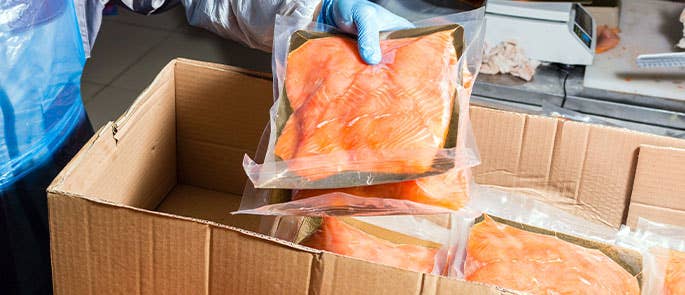
Choosing the right food containers helps to protect food from contamination and spoilage and keeps it at the correct, safe temperature. There are many different types of food packaging to choose from, so make sure you select the right one for the type of food you’re transporting. Best practice states that:
- Containers should be made from food-safe, washable, non-porous and non-toxic materials that can be cleaned and disinfected easily.
- Insulated carriers or boxes, insulated bags, sealed plastic containers and disposable packaging can be used depending on the food type.
- Containers should seal securely to prevent spills and stop cross-contamination or cross-contact, especially for allergen-free foods.
- Different types of food should be kept in separate containers to avoid contamination between raw and ready-to-eat items.
How to Transport Food
Transporting food safely involves following clear steps from start to finish – from food preparation to food delivery – so that hazards are minimised throughout the food’s journey. Transporting food safely is much easier when you follow a clear sequence of steps.
Consider the example below that shows the steps to follow to transport sandwiches safely from a home kitchen to a food bank or community event:
- Prepare the food in a clean kitchen – wash hands, clean surfaces and use separate equipment for raw and ready-to-eat ingredients. Make the sandwiches using fresh ingredients that have been stored correctly.
- Assemble and portion the sandwiches safely – once prepared, place the sandwiches onto clean trays or into clean containers. Keep them away from raw food, pets or household items if working in a home kitchen.
- Chill the sandwiches – place the sandwiches into the fridge immediately after making them. Allow them to cool to a safe chilled temperature before transport to keep them within the cold chain.
- Choose suitable containers for transport – transfer the sandwiches into food-safe, sealed containers that prevent contamination. Select insulated cool bags or boxes that can hold the right temperature during the journey.
- Pre-chill the transport containers – place ice packs or gel packs inside the insulated container for a short time before loading the sandwiches. This helps the container maintain a stable temperature once the sandwiches are inside.
- Load the sandwiches into the container quickly – take the sandwiches from the fridge and place them into the chilled insulated container. Do not leave them out on the worktop. Fill the container efficiently to avoid warm air gaps.
- Check the temperature before leaving – use a probe thermometer to confirm the sandwiches are still at a safe chilled temperature. Close the container tightly and avoid opening it again during the journey.
- Place the container securely in the vehicle – put the food container in a clean part of the vehicle, ideally raised off the floor. Make sure it will not slide, tip or be exposed to warm air from heaters.
- Travel directly to the delivery point – choose the quickest route and avoid unnecessary stops. Keeping the journey short reduces the risk of the sandwiches warming up and entering the temperature danger zone.
- Unload the sandwiches promptly on arrival – take the container straight into the location and avoid leaving it in a warm car. Keep the lid closed until you are ready to hand over the food.
- Hand over the sandwiches with essential information – provide any relevant labels, such as allergen details or preparation times, so the location can handle and serve the sandwiches safely.
- Clean up and record the delivery – after returning, clean and disinfect the containers and note any checks required by your food safety management system, such as temperatures or cleaning tasks.
Transporting food safely requires careful planning, proper equipment and good hygiene. By following best practice and with the right steps in place, you can ensure you keep food safe and protect the people who receive it from harm, all while staying compliant with the law and maintaining high food safety standards at all times.
Further Resources:
- Food Hygiene Training
- Food Supply Chain: Importance & Management Strategies
- How to Accept Frozen Food Deliveries: A Safety Checklist
- How to Package Food for Shipping
- What are the Different Types of Sustainable Food Packaging?


Post Author

You may also like