
How to Start a Cake Shed
 7 min read
There’s nothing quite like a delicious slice of cake. From Victoria sponge to carrot, red velvet to Madeira, a slice of cake is the perfect sweet treat and something that can tempt us to order from the dessert menu even though we promised ourselves we’d ‘only have a look.’ It’s no wonder then that cake sheds are becoming increasingly popular, allowing professional and domestic bakers alike to share their creations with their local community without the hassle of running a bricks and mortar site. However, whilst cake sheds may appear to be the perfect informal way to hawk your wares, there are still certain regulations that must be adhered to. In this article we will outline everything you need to know about how to run a cake shed successfully.
What is a Cake Shed?
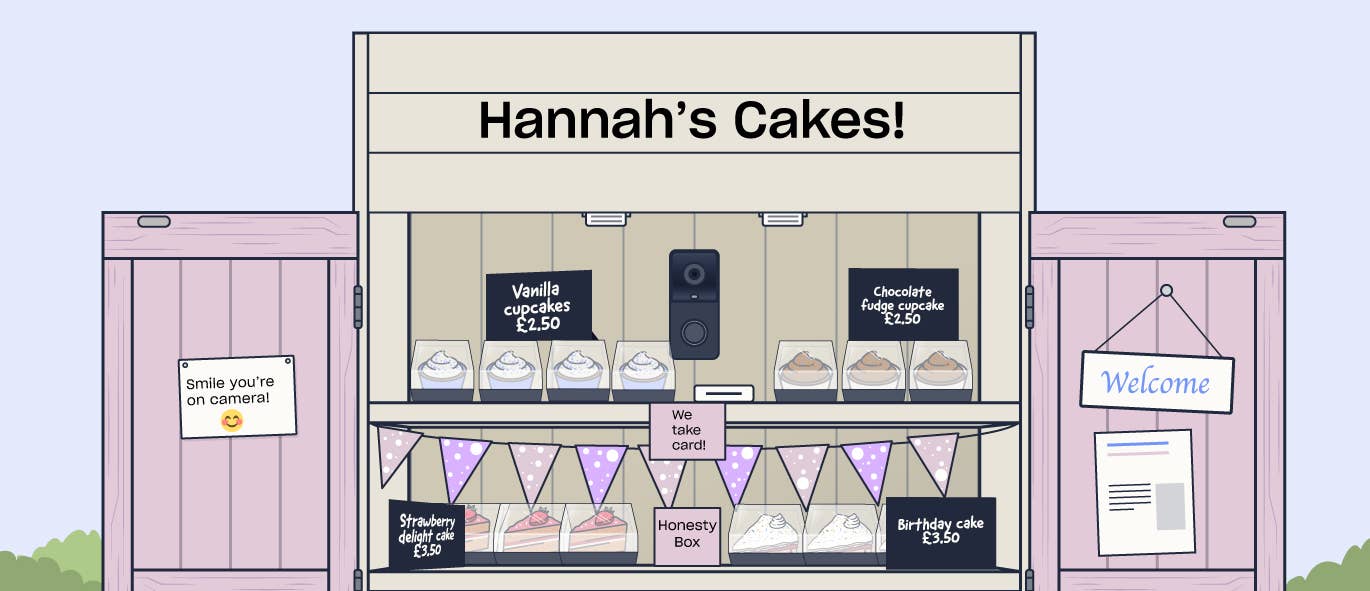
A cake shed is effectively a small self-serve bakery from which people can buy baked goods such as cakes, muffins, cupcakes, brownies and a myriad of other delicious sweet treats. Cake sheds are a type of honesty box, meaning they are unmanned and rely on a trust-based system in which customers select and pay for their items ‘honestly.’ This can be done via a QR code, contactless payment or a secure money box in which customers leave payment for their items. As cake sheds are small by design, they tend to be positioned outside someone’s home which makes them very popular in rural areas. However, the recent surge in popularity of cake sheds has seen them pop up in more built-up areas.
Cake sheds are a great way for bakers to share their delights with their local community without having to invest in a food truck or fixed site premises. They are typically very cheap to set up as, despite the name, they don’t actually have to be in sheds. This helps to keep costs low as they can be made from leftover materials, flatpack options or by converting smaller structures, such as chicken coops or wooden huts.
As well as the low set up costs, cake sheds are popular as they:
- Are convenient for customer and baker alike – Cake sheds can be ‘open’ 24 hours a day as long as the food is stored correctly. This means that hungry customers can grab slices whenever suits them which is especially handy for those whose hours may not suit a typical bakery schedule.
- Require minimal effort once set up – Once a cake shed has been put up, including registering it as a food business and taking all necessary training, they can be incredibly self-sustaining. Cake sheds require minimal ongoing effort beyond topping up supplies and regular cleaning, meaning you can check on it once or twice throughout the day and sit back and let customers do the rest.
- Engage the local community – Cake sheds are typically set up close to someone’s home meaning that customers are typically neighbours and those who frequent the area. This can help to strengthen a sense of community as neighbours become loyal customers.
What Do I Need to Set Up a Cake Shed?
Whilst a cake shed can be a cost effective and simple way to expand your business or dip your toe into the world of selling what was previously only treats for friends and family, there are steps that you must follow before setting up a cake shed. The informality of a cake shed does not negate the fact that it is a business and that brings with it certain legal requirements.
To set up a cake shed you should follow these steps:
Contact your Local Council 

For many people the appeal of a cake shed is that they are small, compact and only a few feet away from the front door. However, whilst cake shed structures may come across as a simple addition to the home, in some instances they may require planning permission. Outbuildings, such as sheds, playhouses and greenhouses do not typically need planning permission as they are considered permitted developments. However, this is not a given and you must check with your local council before starting your business.
You may also need permission from your mortgage provider or landlord to run a business from home. It’s advisable to check with your mortgage provider or landlord first as if permission is not granted this will stop or significantly delay all other steps.
Register your Food Business
The idea for a cake shed may have stemmed from a hobby that you adore, but that doesn’t change the fact that it is a business. If you sell, cook, store, handle, prepare or distribute food from home, even if that is a mobile/temporary unit such as a cake shed, you must register as a food business. You should do this at least 28 days before you start trading.
You must also register as a sole trader in order to complete a self-assessment tax return each year. A sole trader works for themselves, is classed as self-employed and makes all the business decisions. You can be a sole trader as your only job or be employed and self-employed at the same time. If you run a cake shed alongside employment from somewhere else you must still register as a sole trader for that business.
Get Food Hygiene Training
Food business operators must legally ensure that all food handlers receive the appropriate training in food hygiene. Comprehensive training ensures that you are legally compliant and that customers are kept safe. It ensures that food is handled correctly and prepared and stored in a hygienic environment. A Level 2 Food Hygiene certificate from a reliable training provider such as High Speed Training will provide you with the knowledge and understanding to adhere to your legal responsibilities and keep people safe.
Once you have registered as a food business you will be subject to a food hygiene inspection from an Environmental Health Officer (EHO) to attain a food hygiene rating. EHOs assess the safety of a business to ensure that it is following the necessary health and safety regulations. Businesses that are failing to uphold their legal responsibilities can face serious financial penalties and even prosecution. A visiting EHO will expect you to have some kind of food hygiene training and you should be prepared to show proof of that training.
EHO inspections are typically unannounced, however for food businesses that operate from the home you will be given 24 hours notice. You can read more about how to prepare for an EHO inspection here and download a checklist that will help you to stay inspection ready. It’s important to note that an EHO will inspect your home kitchen as well as your cake shed. As such, keeping your cake shed spick and span is redundant if your kitchen is not fit for purpose.
As a registered food business you must legally have a food safety management system. The Food Standards Agency (FSA) offers a basic, free food safety management system, Safer food, better business, which details the food safety management procedures that a small business must adhere to.
Understand Allergen Safety Laws
Allergens can cause life-threatening anaphylaxis and cross-contamination or poor labelling practices can result in death. Allergen awareness is a vital part of food safety and all food businesses, regardless of how small, must have a robust understanding of allergens. FSA guidance states that food businesses must make sure that their staff receive allergen training.
Food businesses are legally required to provide information on any allergenic ingredients that may be present in their food. Conducting an allergen risk assessment is an effective way to identify allergens, examine any potential risks of cross-contact and detail how these risks can be mitigated. By law, food businesses must declare the presence of any of the 14 named allergens in their food. Under Natasha’s Law, food pre-packed for direct sale (PPDS) must list all ingredients on individual food labels. This includes precautionary allergen labelling such as ‘may contain,’ however this labelling must only be used when the risk of allergen cross-contact cannot be removed through risk management actions. It should not be used as a substitute for good hygiene and allergen safety practices.
As cake sheds are typically self-serve it’s a good idea to prominently display allergen information if any of your baked goods contain allergens.
Invest in the Right Equipment
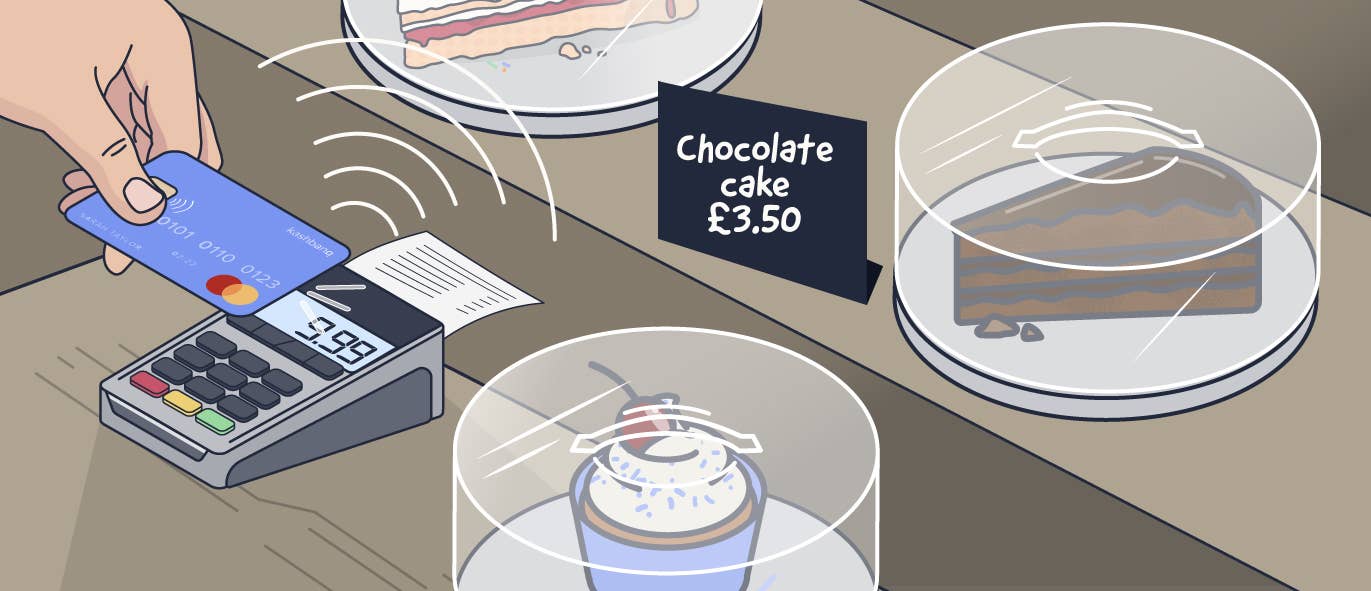
Cake sheds are typically low cost and require minimal investment upfront, however that isn’t to say that they don’t require anything at all. Investing in the right equipment can make or break your cake shed and we don’t just mean getting the best digital scales! As cake sheds are a type of honesty box there is typically very little face-to-face interaction between seller and buyer. Whilst it would be great to believe that everyone will honour the ‘honesty’ part of an honesty box, this isn’t always the case. Nevertheless, investing in some kind of CCTV such as a doorbell camera, or utilising a contactless card machine or QR code for digital payments as opposed to a cash box, can help to relieve worries you may have about the safety and security of your cake shed.
You should also consider the location of your cake shed and how that may impact the quality and safety of your offerings. If your cake shed will be in a sunny area you may need to invest in fans or portable coolers to ensure the temperature is kept stable and food is kept out of the temperature danger zone. You may also decide to purchase a thermometer so that you can monitor the internal temperature of your cake shed.
Other equipment that you might need for your cake shed includes:
- A sign to show your daily offering
- A reliable lock/padlock for times when the cake shed is empty
- Weather proofing material to keep the produce inside dry/safe from the elements
- Sensor lighting to deter thieves and/or vandals
For the baking element of your cake shed, useful equipment to have includes:
- Food mixer
- Mixing bowls
- Cooling racks
- Digital scales
- Measuring spoons
- Wooden spoons
- Baking trays
- Cake tins
Get Insurance
Whilst your cake shed might quickly become your favourite ‘side hustle,’ as mentioned it is still a business, and precautions must be taken to keep you, your business and your customers safe. As such, it’s advisable to take out insurance to protect yourself. Public liability insurance is one the most popular policies for small businesses as it covers you for claims made against you by members of the public. It is also a good idea to get product liability insurance as this protects you against compensation claims and legal costs if a customer sues you for damages or injury. As a cake business, product liability insurance could protect you if a customer gets sick after eating something from your cake shed.
Neither public liability insurance nor product liability insurance are a legal requirement in the UK, however they can both offer an invaluable level of protection and peace of mind. In the UK small businesses are legally required to have employers’ liability insurance. However, if you do not employ anyone to help you run your cake shed and you are the sole-employee, you typically do not need this insurance.
Cake Shed Ideas and Tips
Below you will find some ideas and tips on how you can make your cake shed a success.
- Choose a good location – As mentioned above, you may need to request permission in order to set up and run a cake shed. Once that has been secured you should aim to put your cake shed in an appealing location. You want it to catch the eye of passersby but not to be an inconvenience to get around or too far away from your home. Place your cake shed where there is high foot traffic and easy access for anyone who might want to sample your offerings.
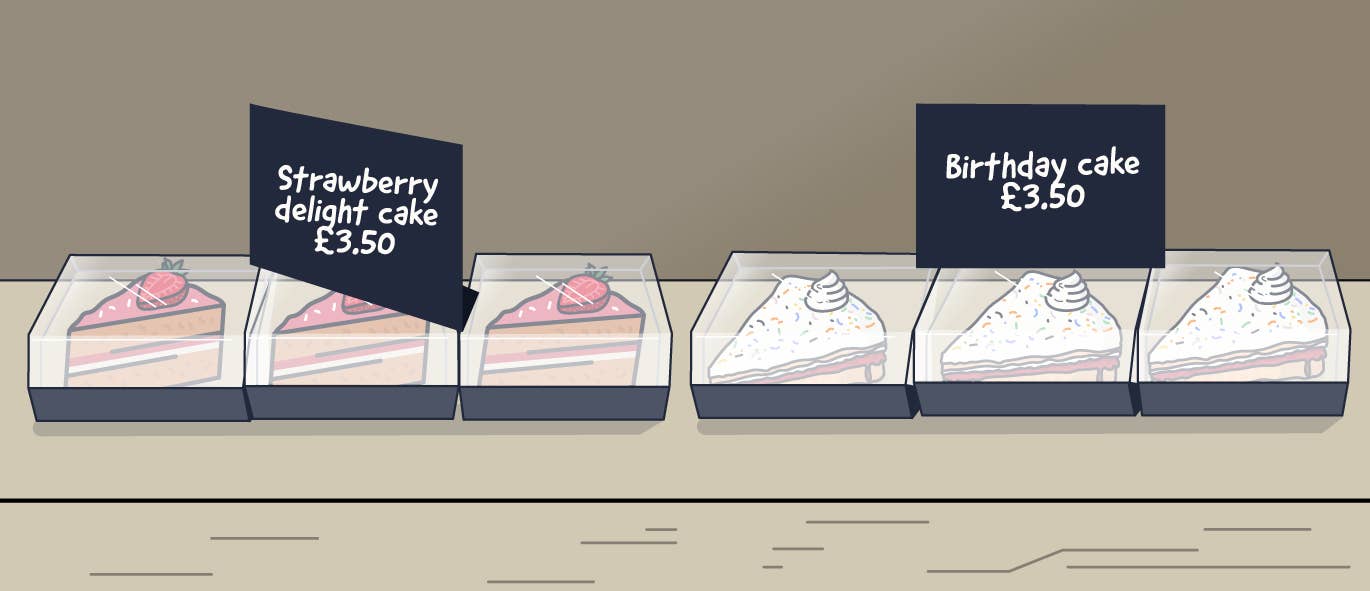
- Make your shed welcoming – Cake sheds can massively vary in price depending on what you use to build them. However, no matter what you make your cake shed from, it’s a good idea to take the time to decorate it and make it appealing to potential customers. Without some colour a cake shed can easily look like an ordinary shed and therefore be easy to overlook. Add a pop of colour or some fun, simple painted designs to entice people as they walk past. It’s also a good idea to have clear signage so that people know from the get go what you have to offer and what it will cost them.
- Have a diverse offering – A cake shed, despite the name, is not limited to selling cake! Having a diverse offering enables you to appeal to a wide range of customers, including those who claim they don’t have a sweet tooth. A diverse offering can also help in times of supply issues or strong weather as you have tried and tested alternatives readily available. Seasonal offerings are also a good way to bring some variety and can help add to the excitement of the season.
- Engage with the local community – As mentioned, cake sheds are a great way to engage with the local community as neighbours purchase your tasty treats. You can make this engagement more active by asking customers what kind of treats they would like to see. Local message boards on Facebook can be a great way to engage with the community, share polls about what people do and don’t like, showcase what you have to sell and to update people on what’s coming up. You can then use this information to improve your offering and make changes where necessary.
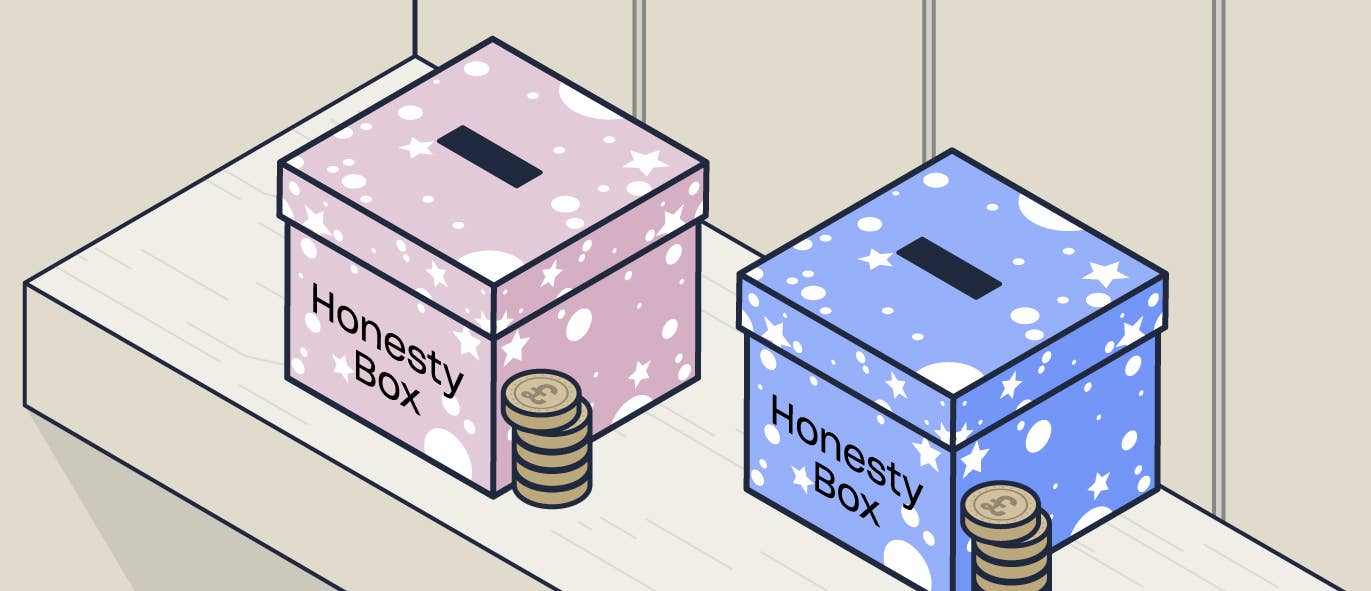
- Invest in security – Investing in some security for your cake shed needn’t be costly and may end up saving you money in the long run. Security could include a small camera to monitor both what is selling well and any potential security concerns. You may also choose to invest in contactless payment so that there is no cash on site, therefore hopefully making your cake shed a less appealing target to would-be thieves. Finally, a simple but secure padlock on the front of the cake shed can help to protect it from vandalism when the shed is closed or empty.
- Weatherproof your shed – The English weather is known for its variability and a poorly prepared shed is likely to become a soaking wet shed very quickly. Weatherproofing your shed can help to preserve the shed itself and ensure that the treats within are kept safe from the elements. Weatherproofing could entail using a certain wood stain, lining the shed or placing it under some kind of awning to help manage the temperature.
The star of the cake shed show is undeniably the cakes, however that doesn’t mean that is all you can offer. Some ideas for what you can sell in your cake shed include:
- Cupcakes
- Muffins
- Cake slices
- Mini tray bakes
- Tiffin
- Brownies
- Cookies
- Scones
- Cake pops
Whatever you decide to offer, be mindful of the elements as they may not always work in your favour. A delicious Victoria sponge might sound like a guaranteed best seller, but when kept in a shed for a few hours in the middle of June it’s liable to become a soggy mess from the cream melting.
Cake sheds are simple but effective ways to sell sweet treats to the local community. Their surge in popularity highlights a growing desire for homemade cakes and they offer a low cost way to expand your business or dabble in creating a business. Investing in high quality training and offering a wide range of treats will help to make your cake shed a success, turning a low-effort ‘side hustle,’ into a thriving, low-stress business.
Further Resources:
- Cake Decorations: Which Flowers are Edible?
- How to Prepare for an EHO Inspection: Free Checklist
- Food Hygiene Courses


Post Author

You may also like