
What is Cross-Contamination & How Can You Avoid It?
 5 min read
Whether you’re preparing food at home or at work, understanding how cross-contamination happens and how to prevent it is a key part of safe food handling and reducing the risk of foodborne illness. In this article, we’ll explain what cross-contamination is, how cross-contamination differs from cross contact, the different types of cross-contamination and practical steps you can take to prevent it.
What is Cross-Contamination?
Cross-contamination is the transfer of harmful bacteria, viruses, allergens or other contaminants from one food, surface, piece of equipment or person, to another. It often happens when raw foods come into contact with ready-to-eat foods, or when contaminated hands, utensils or work surfaces spread harmful microorganisms.
Cross-contamination is one of the leading causes of food poisoning. Harmful bacteria such as Salmonella, Campylobacter, Listeria and E. coli can easily spread if food is not stored, prepared or handled correctly. Food poisoning can cause symptoms including sickness, diarrhoea, stomach cramps and fever and can be particularly serious for young children, older adults, pregnant women and people with weakened immune systems.
Preventing cross-contamination in the kitchen is everyone’s responsibility. In commercial food businesses, food handlers have a legal duty to follow food hygiene procedures under UK food hygiene legislation. At home, following good food safety practices helps protect you, your family and your guests from illness.
Cross-Contamination vs Cross Contact
Although the terms sound similar, cross-contamination and cross contact are not the same. However, both can have serious consequences on health, so food handlers must have procedures in place to prevent each type of risk through effective cleaning, separation of foods and good personal hygiene.
The difference between cross-contamination and cross contact is as follows:
Cross-contamination is the spread of harmful bacteria, viruses or other microorganisms that can cause food poisoning. For example, using the same chopping board for raw chicken and then a salad without washing it properly in between could transfer harmful bacteria from the raw chicken onto the ready-to-eat salad.
Cross contact refers specifically to allergens being unintentionally transferred from one food to another. Even a tiny amount of an allergen can trigger an allergic reaction in someone with a food allergy. Unlike bacteria, allergens cannot be removed by cooking and can remain on equipment or surfaces if they have not been cleaned thoroughly.

Looking for More?
Our Food Allergen Awareness Training is designed to give food handlers a comprehensive understanding of food safety procedures to ensure that allergenic ingredients are always managed safely.
Types of Cross-Contamination
Cross-contamination can involve several different types of contaminants:
- Bacterial contamination – harmful bacteria such as Salmonella, E. coli, Campylobacter and Listeria can spread between foods, equipment and surfaces if they are not cleaned properly. Learn more about Different Types of Food Poisoning here.
- Viral contamination – viruses such as norovirus and hepatitis A can be transferred by infected food handlers, contaminated hands or contaminated food and water.
- Parasitic contamination – parasites can contaminate food through poor hygiene, contaminated water or raw and undercooked foods. Although less common in the UK, they remain a food safety risk.
- Allergen cross contact – food allergens can be unintentionally transferred between foods, creating a risk for people with food allergies. Learn more about Food Allergens here.
- Physical contamination – objects such as hair, glass, plastic, jewellery or fragments of damaged equipment can contaminate food during preparation or service. Learn more about Physical Hazards in Food here.
- Chemical contamination – cleaning products, pesticides or other chemicals can contaminate food if they are stored or used incorrectly. Learn more about Chemical Hazards in Food here.
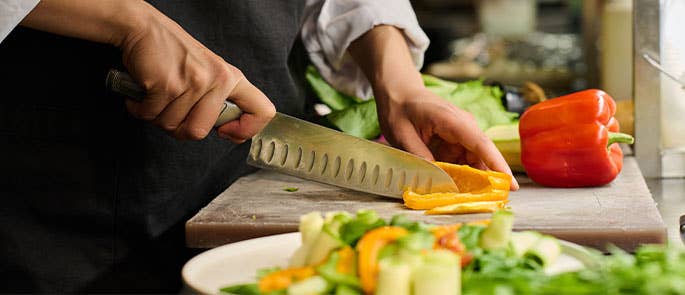
Cross-Contamination Examples
Cross-contamination can happen at any stage of the food handling process, from delivery and storage through to preparation, cooking and serving. Recognising the situations where cross-contamination is most likely to occur helps reduce the risk of foodborne illness.
Common examples of cross-contamination include:
- Using the same chopping board for raw chicken and salad without cleaning and disinfecting it first.
- Storing raw meat above ready-to-eat food in the fridge, allowing juices to drip onto other foods.
- Handling raw meat before making sandwiches without washing your hands.
- Using the same knife or kitchen utensils for raw and cooked foods without cleaning them between tasks.
- Reusing marinades that have been in contact with raw meat as a sauce without cooking them thoroughly.
- Preparing raw vegetables on a work surface that has not been cleaned after preparing raw meat.
- Using dirty cloths or sponges that spread bacteria around work surfaces.
- Touching food after handling bins, cleaning equipment, money or mobile phones without washing your hands.
- Using the same gloves for different food preparation tasks.
- Allowing raw meat packaging to come into contact with ready-to-eat foods.
- Using equipment that has not been properly cleaned and disinfected between different food preparation tasks.
- Allowing allergens to transfer between foods by sharing utensils, storage containers or preparation areas.
How to Prevent and Avoid Cross-Contamination
Preventing cross-contamination relies on good food hygiene habits every day. A few simple, daily actions can significantly reduce the risk of spreading harmful bacteria and other contaminants. Whether you’re preparing food at home or in a commercial kitchen, the following practices should form part of your routine in order to prevent and avoid cross-contamination:
- Wash your hands thoroughly with warm water and soap before handling food and after touching raw meat, raw fish, eggs, bins or anything that could contaminate food. Dry your hands using disposable paper towels where appropriate.
- Keep raw meat, poultry and seafood separate from ready-to-eat foods during storage, preparation and serving.
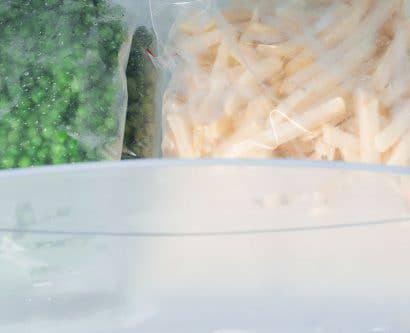
- Store raw meat on the bottom shelf of the fridge in sealed containers to prevent juices dripping onto other foods.
- Keep refrigerators at the correct temperature. In food businesses in England, Wales and Northern Ireland, chilled food should generally be kept at 8°C or below by law, although many businesses aim for between 1°C and 5°C as good practice. In Scotland, the legal requirement for most chilled food is 5°C or below.
- Do not put hot food directly into the fridge, as this can increase its internal temperature and affect other foods. Allow food to cool safely before refrigerating.
- Use separate colour-coded chopping boards and utensils for different food groups to reduce the risk of contamination.
- Clean and disinfect work surfaces, utensils and equipment thoroughly after preparing raw foods and between different preparation tasks.
- Replace chopping boards and utensils that have deep grooves, cracks or signs of wear, as these can harbour bacteria.
- Wash fruit and vegetables before preparing or eating them, even if you intend to peel them.
- Avoid touching your face, hair or mobile phone while preparing food. Wash your hands again if you do.
- Remove jewellery before preparing food (apart from a plain wedding band where permitted by workplace policy).
- Change disposable gloves between tasks if gloves are used and never rely on gloves instead of proper hand washing.
- Keep cleaning chemicals away from food and always follow the manufacturer’s instructions when using them.
- Ensure everyone involved in food preparation understands safe food hygiene practices and follows your food safety procedures consistently.
Good food safety starts with understanding how cross-contamination happens and taking practical steps to prevent it. Preventing cross-contamination protects customers, family members and colleagues from foodborne illness and supports high standards of hygiene in every type of kitchen.
Further Resources:
- Food Hygiene Courses
- What is Cross-Contact?
- What are the Four Types of Food Contamination?
- How to Clean a Kitchen
- What is Salmonella and How Do I Prevent It?
- How to Prevent E. coli


Post Author

You may also like