
How to Become a Bartender
 7 min read
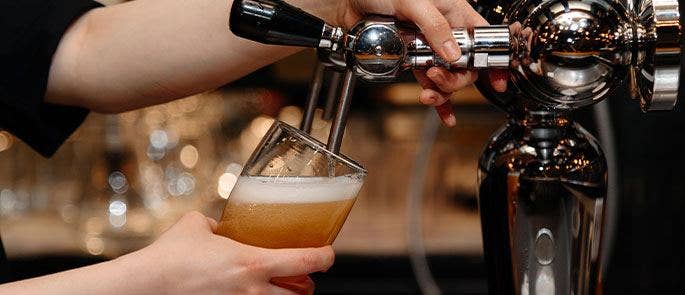
If you want to work in an industry that’s social, where you’re always moving, and you work with all kinds of people then bartending could be perfect for you. Bartenders are skilled hospitality workers who prepare and serve all sorts of drinks in all manner of bars, pubs, restaurants, and so on. In this article, we’ll outline everything you need to know about how to become a bartender, looking at what a bartender does, your responsibilities, and the skills you’ll need to get a job in the industry.
What Does a Bartender Do?
A classic view of a bartender is someone making cocktails or pulling pints in a pub or club. But the modern bartender needs to be able to handle all manner of drinks; wines, spirits, non-alcoholic options, coffees, teas, soft drinks. A bit of knowledge across the board to make recommendations or understand what someone means when they ask for a ‘lager top’ or a ‘Guiness and black’ is also crucial.
And it’s not just pubs and clubs you could be working in either. It’s hotels, restaurants, cafes. The modern world of hospitality sees bartenders everywhere – you could even work on a cruise ship or specialise in mobile events making drinks at weddings and parties.

The best bartenders have an expert knowledge of recipes and techniques and they’re able to provide a top quality experience no matter who’s ordering or what their order is.
Bartending is a very social career as you’ll likely be talking to a large number of people every shift in an environment where adaptability and resilience are key. The downside is the unsociable hours, evenings and weekends, so this is definitely not a career for everyone. But if you’re the kind of person who likes hard work and thrives off a busy atmosphere full of people then it could be the ideal career.
Just to clarify, when we’re talking about a bartender in this article we’re also referring to a bar server, barback, barman, bar manager, cocktail waiter or any other name you might see advertised when you’re looking for a role behind a bar.
Responsibilities of a Bartender
As we’ve alluded to, bartenders don’t just pour drinks; they have a variety of responsibilities behind the bar and elsewhere. The primary duties of a bartender include:
- Mixing drinks.
- Garnishing drinks (they deserve to look their best).
- Greeting customers and helping create the vibe of the venue.
- Taking orders and getting them right.
- Making recommendations.
- Checking ID’s and using their judgement, refusing sales if necessary.
- Taking payments, cash or card, and understanding the POS system in place.
- Cleaning.
- Re-stocking.
- Preventing bar wastage and managing resources efficiently.
- Collecting glasses.
- Recycling.
What Qualifications Do you Need to Be a Bartender?
Bartending can be a great introduction to the world of work and strict qualifications aren’t always required or looked for depending on the level of venue you’re applying at. Attitude, friendliness, and a willingness to learn (and being able to demonstrate this on a CV) can be all you need to get your foot in the door. But taking things to the next level can help if you think this is a career you want to really pursue.
College courses, apprenticeships or other certifications can help you develop the right skills to develop in bartending, giving a more academic understanding of the industry. Anyone can obtain a suitable qualification in bartending.
Bartender College Courses
A college course in bartending or hospitality provides everything needed to know to start in bartending, including proper techniques and skills, the health and safety procedures and industry knowledge.
Examples of relevant courses are the City & Guilds Level 1 Award in Professional Food and Beverage Service Skills or the Level 2 Certificate in Professional Food and Beverage Service.
Bartender Apprenticeships
Apprenticeships provide hands-on experience of bartending and mixology, as you’d work with an already qualified bartender to develop the practical techniques alongside the classroom stuff. Apprenticeships can be a great way to enter the industry as junior roles in the company you work with are often available afterwards.
A hospitality apprenticeship can range between one and two years to complete and you’ll need at least two GCSEs, including English and maths, to get started.

Bartender Certifications
Certifications can show you’ve gone the extra mile in learning more about your role as well as teaching you skills that will be useful in your everyday role. We offer a few of these certifications ourselves and each one provides you with something different that could help you stand out landing a bartending role.
- Cellar Management Training Course – A comprehensive introduction to the work involved in delivering a great bar experience before a drink is even poured. Developed in partnership with Cask Marque, this is a great option for anyone looking to go into bartending as well as people already working in the industry because it’s loaded with tips and tricks from those in the trade who know how easy it is to get things wrong.
- Customer Service Training Course – A general introduction to customer service that provides solid fundamentals in working with people and delivering for them. A good option for anyone without that face-to-face experience or if you’re finding that part of the job difficult.
- Food Hygiene Certificate – The most cost-effective and practical way to demonstrate your understanding of safe food handling as per UK/EU regulations. Did you know that alcohol and coffees are classed as food stuffs under these regulations? This course is a must for bartenders and a way to get a head start on the competition for any role you go for.
Bartender Skills
Bartending requires a wide range of practical skills and abilities – known as hard skills – which a course can teach you and your experience in the job will refine. For example, the principles of mixology and cocktail preparation you can get from a course but proper serving skills and an understanding of the local drinking culture you’ll hone when you’re behind the bar.

To be a great bartender though it’s the soft skills that will put you over the top. The key soft skills for bartenders include:
- Excellent customer service.
- Interpersonal skills.
- Strong communication skills.
- Active listening.
- Time management.
- A good level of fitness and physical stamina (often overlooked).
- Attention to detail.
- Ability to work under pressure.
- Good memory.
- Confidence to upsell.
How to Get a Bartending Job
If bartending sounds like it’s for you based on everything we’ve covered then the next thing is translating your existing skills and knowledge into your CV and applying for roles in your area.
Our guides on How to Write a CV, How to Stand Out in a Virtual Interview and Example Interview Questions for Bar Staff will all help you prepare for the job application and interview process.
You may also wish to look at our guide on Other Roles in Hospitality if you’re unsure whether bartending is the right role for you.

You can find a job as a bartender by searching online, by using the National Careers Service to find a bartending apprenticeship or training course near you, or via the Government’s Find a Job service to look for available bartending roles in your area. You can also apply to venues directly if there are certain companies you know you’d like to work for.
Once you’ve secured a role and built your experience, the routes to progress are fairly clear. You can always undertake further training to specialise in a particular area, such as craft beer, specialist cocktails, mixology or being a ‘flair’ bartender.
Bartending is a skilled hospitality profession that involves preparing and serving a variety of alcoholic and non-alcoholic drinks while providing excellent customer service in fast-paced environments like bars, restaurants and hotels. To become a bartender, you’ll need to gain essential knowledge of beverage preparation, mixology and customer service through a hospitality course, apprenticeship or bartending certification.
Further Resources:
- Cellar Management Course
- Licensing Law Awareness
- Cellar Cleaning and Maintenance Schedule for Busy Pubs and Bars
- Interview Questions for Bartenders


Post Author

You may also like