

How to Open a Bar
 5 min read
Bars have a long history of being places to gather with friends, congregate for events and unwind at the end of a long week. Covid took a notable toll on the hospitality industry and many businesses suffered due to lockdowns restricting custom and patronage. Post-covid the hospitality industry looks very different to how it once did, however, times are undeniably changing and demand for social venues where people can once again come together and share a drink with their local community is growing. This is just one of many reasons that people have stepped into the world of independent hospitality and begun opening their own restaurants and bars. In this article we will outline the core aspects of opening your own bar. We will explore what you need to open a bar and provide guidance on the steps you can take to open your own.
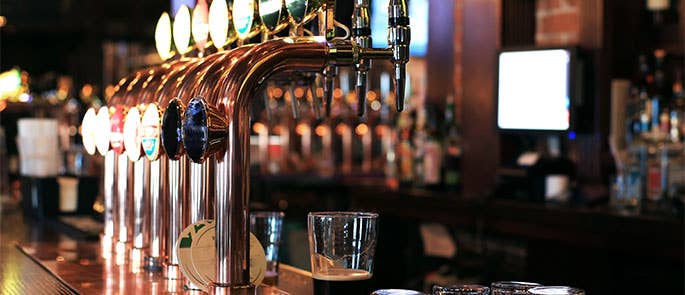
Opening a bar requires significant planning, time and financial investment. From sourcing funding, finding the right location to hiring and training staff and acquiring the right licences, there are a lot of different moving elements to opening a bar. This article will provide a brief overview of what you need to open a bar, with particular focus on opening a fixed site premises. It is advisable that you conduct more in-depth research on all the individual aspects of opening a bar before pursuing it, especially if you plan on opening a mobile business.
What is a Bar?
A bar is an establishment that sells alcoholic beverages such as beer, wine and spirits. They are typically open from the late afternoon/evening until the early hours of the morning though this can vary depending on the type of establishment and premises licence. There are many different types of bars including:
- Cocktail bar
- Wine bar
- Sports bar
- Karaoke bar
- Microbrewery
- Pub
- Dive bar
In the UK ‘bar’ and ‘pub’ are often used interchangeably however they traditionally refer to different establishments. A pub is a public house which typically serves alcohol and food. The buildings themselves are usually very old and they are often seen as foundational parts of local communities. Whilst there is no strict definition of a pub, the Campaign for Real Ale (CAMRA) defines a pub as a premises that:
- Is open to and welcomes the general public without requiring membership or residency and without charging admission
- Allows drinking on the premises without requiring food to be consumed
This is an intentionally broad definition that seeks to be as inclusive as possible by recognising that many different licensed premises can be classed as pubs. However, there are some instances in which a licensed premises would not fall under the umbrella term of a pub.
Comparatively, a bar is an establishment that serves alcohol, typically limited food and may charge people for entry. The term ‘bar’ refers to the counter where drinks are prepared and served. Bars usually have less of a tie with the local community and may instead be positioned in more populated areas of a city, engaging with timely trends to entice new customers. This article will refer to bars and pubs in the same context however, if you wish to open a pub you must do additional research to see what alternative steps you may need to take in order to open one.

How to Open a Bar
Below you will find guidance on the steps you can follow to open a bar. It’s important to note that these steps are a guide and need not be followed dogmatically.
When opening any independent hospitality business the main driver, and simultaneously the main blocker, is often funding. This can impact the speed at which you move, the type of premises you open and whether you are able to operate at all. Without adequate funding you may find that the other steps needed to open a bar become significantly harder. Whilst funding is not the first step in the suggested process below, it’s advisable to always keep costs in mind to ensure they remain manageable and realistic.
You do not need to follow the steps below in the same order, however it may help the process to feel more manageable when used as a general guide. You may find that certain elements come up in several steps as they factor into several decisions. In this instance, feel free to go back to previous steps and add further detail if necessary.
Write a Business Plan 

A strong business plan is the blueprint for what you want your business to be and what you want to achieve. It should be comprehensive and detailed, but written in clear and accessible language so that anyone can read it and get a feel for who you are. Whilst a business plan is not a prediction of the future, certain things should be set in stone before you start writing it. For example, before writing your business plan you should know what kind of bar you want to open, the area you would like to open in and whether you want a permanent bricks and mortar site or a mobile business. It’s important that you make these decisions in advance as they may impact your financial projections, marketing strategies and what kind of licences you need.
Additionally, if you are planning on taking out a loan to fund your business, your business plan may be needed to secure funding. If so, prospective lenders and investors will want to see a clear vision and a document that shows a strategic plan for the future.
Writing a business plan requires thorough research and this is especially important when opening a bar as it is a very competitive industry. Taking the time to conduct market research before writing a business plan helps you to identify who your target audience is, what they are looking for, how much they are willing to pay and who your competition will be. You can also use your business plan to highlight what will make your bar unique and how you plan on achieving that.
When writing a business plan it’s beneficial to consider:
- The local demographic
- Competitors in the area
- Your vision for the business
- The physical environment and local environment
- Menu ideas
- Price points
- Sustainability opportunities
- How you plan on marketing your business
- Licencing requirements
- Short, medium and long-term targets
Using this information you can collate a clear and comprehensive business plan that includes the following:
- Executive summary – a brief overview of your business plan and the concept for your business. You may choose to include Unique Selling Points (USPs) and your long term goals for the business.
- Business description – what type of bar do you want to open, where do you wish to open it and who will be your target audience.
- Market research – who is your competition, how have similar businesses fared in the past, what opportunities is the industry currently offering that could help your business.
- Business structure – what will the organisational structure of your business be, who will own the business and who will form the senior management. This is also a good place to consider future staffing, what kind of contracts you will offer and the roles and responsibilities needed to help your vision come to life.
- Products – providing a template menu will show that you have thought about what you want to offer. Showcase what drinks and, if applicable, what food you want to serve. This is a good place to highlight any USPs that will make your business stand out such as a signature cocktail.
- Marketing strategy – what strategies will you use to attract customers, what is your overall marketing plan, how will you fund your marketing activities.
- Funding – funding is a vital part of opening a business and so you should plan out what funding you will need to open a bar. Consider how much you will need as initial capital as well as recurring costs and expenses. A detailed budget will help you to create realistic financial projections.
- Licencing – businesses that wish to sell or supply alcohol in England and Wales must have a licence from a licensing authority. There are numerous different types of licences and you must research which one you will need to be legally compliant. Licences will be discussed in more detail later in the article and you can check the government website for more indepth information.
- Risk assessment – a risk assessment shows that you have been realistic about the potential pitfalls that you may experience. Detail known challenges associated with opening a bar and how you plan to manage those risks.
- Financial projections – following on from your funding section, financial projections show what revenue you expect to generate. The more research you have done the better, and hopefully more accurate, your financial projections will be.
Manage Funding
The start-up costs for opening a bar can be substantial and so it’s vital that you carefully consider funding. The amount of capital that you will need will depend upon the type and size of business that you are hoping to run. Smaller, mobile bars can be set up in a relatively cost effective way whilst larger, bricks and mortar premises will require significant investment.
A conservative estimate for the cost of opening a bricks and mortar bar in the UK is between £20,000 and £1 million however, as mentioned, this can vary greatly depending on the type of bar you open as well as its location. These figures also include staffing, renovation, marketing and licensing costs. As such, all factors must be considered when looking at initial start-up costs so that you can create a realistic business plan.
When planning your finances you should separate out one-time costs from operational costs as this will impact how much money you will initially need. One-time costs will typically cover things such as deposits, renovations and equipment purchases. Ongoing costs will typically cover things such as rent, payroll and supplies. Once the bar is up and running and earning money, ongoing costs will likely cover themselves. However, you will need capital to cover one-time costs that accrue before the business has started to make any money.
One-time costs may include:
- Venue cost (deposit or mortgage)
- Renovations
- Decor
- Equipment
- Initial supplies
- Licences
Ongoing costs may include:
- Venue costs (rent or mortgage)
- Staffing
- Supplies
- Marketing
- Utilities
- Tax
It’s important to find a balance between one-time costs and ongoing costs. Finding cost effective alternatives for one-time costs may seem like a good idea to begin with but this could cause expensive problems down the line. For example, buying cheap equipment will reduce some initial costs, however if that equipment is faulty and requires regular maintenance or replacing that will increase ongoing costs.
It’s vital that you are realistic about your financing needs as this will undoubtedly impact how much funding you secure and where you secure it from. There are many different ways you can secure funding to open a bar. The type of funding that you get will impact what kind of bar you open and may impact other aspects such as the location of your business.
Bar funding options that are available in the UK include:
- Personal savings
- Investment from family and friends
- Investment from businesses or angel investors
- Start Up Loans
- Small business loans
- Crowdfunding
- Franchising partnerships
- Business grants
As mentioned above, financing is the main driver behind opening a bar. You must be realistic about how much initial capital you need and how much you can afford to borrow, if you choose to get a loan. It’s also beneficial to budget a ‘safety net’ of sorts to keep your business afloat in the first few months where revenue may be less stable.
Research Licences and Permits
Any business that wants to sell or supply alcohol in England and Wales must have an alcohol licence to do so. The types of alcohol licence that a business may require are as follows:
- Any business that sells or supplies alcohol on a permanent basis needs to apply for a premises licence.
- Anyone who plans to sell or supply alcohol or authorise the sale or supply of alcohol must apply for a personal licence.
- Qualifying members’ clubs need to apply for a club premises certificate if they plan to sell or supply alcohol
A premises licence is a permanent licence that is granted to a specific location. It authorises the use of any premises (as defined by the Licensing 2003 Act) for licensable activities as defined in Section 1 of the Act. These activities include:
- The sale of alcohol
- The supply of alcohol
- The provision of regulated entertainment
- The provision of late night refreshment
Personal licences allow an individual to sell alcohol on behalf of any business that has a premises licence or a club premises certificate. You are not required to have a personal licence to work in a pub or bar however, premises that are licensed to sell alcohol must have a designated premises supervisor who holds a personal licence.
Members’ clubs can operate under club premises certificates instead of premises licences. However, to be classified as a club for the purpose of the certificate a group must meet several conditions.
You may also need to consider the following:
Temporary Event Notice (TEN) – If you’re organising a temporary event and want to serve or sell alcohol, provide late night refreshment or put on regulated entertainment you’ll need to complete a TEN. This enables you to temporarily carry out licensable activities on unlicensed premises in England or Wales.
Additional licences and permits that a bar may need before it can legally operate include:
Music licence – If you plan on playing copyrighted music at your bar, whether that be recorded or live entertainment such as a band, you’ll need to have a licence from PPL PRS. The cost of the licence will vary from business to business and sector to sector. The PPL PRS offers a rough outline of costs which can be found here. Pubs and bars that are 400 sqm or less and wish to play music via a radio can expect to pay an annual fee of around £360 plus VAT, however this could increase for larger venues. Many pubs save money by not playing music which means they do not need to have a licence. It’s vital that you acquire a licence if you plan on playing music as PPL PRS fines can become costly.
Insurance – As a place of business it’s advisable to take out insurance to protect you and your business. Public liability insurance is popular amongst small businesses and covers them for claims made against them by members of the public. Public liability insurance is not a legal requirement but it’s good practice to have it in place. If you plan on hiring individuals to help run the business you will need employer’s liability insurance (EL). You must get EL insurance as soon as you become an employer, to cover you for at least £5 million and from an authorised insurer. EL insurance helps businesses to pay any compensation if an employee is injured or becomes ill because of their job. EL insurance is a legal requirement and businesses can be fined £2,500 for every day they are not properly insured. Businesses do not require EL insurance if they only employ family members or someone who is based outside of England, Scotland and Wales. It’s also advisable to get building or commercial property insurance and contents cover to protect the physical building from any issues.
FSA Registration – In the UK any business that stores, serves or sells alcohol is legally classified as a food business and therefore must register as such with the Food Standards Agency (FSA). You must register your business at least 28 days before you start trading. As a food business you are legally required to ensure that staff receive appropriate food hygiene training. Comprehensive training ensures that you are legally compliant and that customers are kept safe. Upon registering as a food business you will be subject to a hygiene inspection by an Environmental Health Officer (EHO) from your local authority. This inspection will determine your food hygiene rating and may impact custom as customers are more likely to patronise bars with higher food hygiene ratings. You can learn more about how to prepare for an inspection here.
You may also require a signage permit depending on the size and location of any outdoor signage that you have and your local council’s regulations. Additionally, if you plan on making significant changes to a property you may require planning permission for the intended changes.
The list above is not exhaustive and you may not require every permit or licence listed. It’s therefore advisable to contact your local authority to double check what is required for your bar and location.
Choose Location
The ideal location for a bar will have the right balance between foot fall, competition and cost. Choosing the right location when opening a bar is a vital decision as it has an undeniable impact on the success of a bar. Without enough foot traffic you won’t have the custom to make any money. However, if you open a bar next to a well known and loved establishment you may find that the competition is too high and that brand loyalty prevents you from getting new customers. The location of your bar will also be impacted by the type of bar that you want to open. Opening a specialist cocktail bar in the remote hills of the English countryside may create a unique sense of exclusivity, but if your venue isn’t easily accessible you simply won’t have the numbers to make any money.
Cost will arguably have the greatest impact on the location of your bar. Mobile businesses have significantly more flexibility with the location of their bar and so can select pitches and events that are cost effective. However, for fixed site premises, options are slightly more limited. The price of rent must be factored into any financial planning and you should be prepared to pay a deposit or a few months rent in advance in order to secure a lease. Moreover, if you are in the position of buying a property, you must ensure that you have the capital to cover the costs of buying as well as any additional legal fees.
It’s important to remember that the cost of your location will have long term consequences. For example, a more expensive location will likely have good foot traffic but the high cost of rent and utilities may necessitate stringent budgeting in order to make it affordable, potentially delaying business growth. Comparatively, cheaper locations may be more cost effective in terms of initial costs but have lower foot traffic making it harder to earn revenue.
When researching potential locations it’s advisable to consider:
- Foot traffic
- Competition
- Local demographic
- Accessibility
- Transport links
- Rent/Lease costs
- Visibility
- Local regulations and restrictions
You should also consider the bar space and what you want it to look like. Again, this is likely to be influenced by the type of bar that you want to open, but it’s important that your space matches your vision. If you want to open an intimate wine bar where you can engage with customers during their visit, renting or buying a large sprawling space with multiple covers is unlikely to help that vision come to life. Moreover, if you want to open a large sports bar with multiple screens to show different sporting events, renting or buying a hole-in-the-wall space simply because it’s cheaper will make it harder to create the space you want.
Hire and Train Staff
Staff are the backbone of a strong and successful business and will be vital to the running of your bar. Whilst the size of your team will depend on the size and type of your bar, you must take the time to consider what staff you need and what different roles and responsibilities need fulfilling. This can undoubtedly be an overwhelming task and so when creating your business plan it’s advisable to put time and consideration into planning what your team will look like and what the organisational structure of your business will be.
The roles that you will need to fill may include:
- Bar manager
- Bartenders
- Servers
- Kitchen staff
- Security
- Cleaners
It’s common for bars to start with a smaller team in which people occupy several different roles. However, it’s good to plan for expansion and aim to eventually have an individual in each role to meet the needs of your growing bar.
Once you have hired the necessary staff you need to provide them with adequate training. Investing in comprehensive and reliable training ensures that staff know how to handle consumables safely, thereby keeping themselves, customers and by extension your business, safe. Staff must have thorough understanding of their legal responsibilities, such as the legal drinking age and what ID is required, in order to protect your business from hefty fines.
As well as providing training to cover any legal responsibilities, training staff helps to improve customer service and maintain high standards. This is vital in any business but arguably more so in the world of hospitality where word-of-mouth can play an impactful role on custom. As such, when training staff include training that addresses things such as managing customer conflict or mental health and wellbeing so that staff have a holistic understanding of what is expected of them.
Set Up your Bar
Once you have completed the steps above you can begin purchasing the equipment that you need to actually run your bar. The specific equipment that you need will vary depending on the type of bar that you wish to open. You will also need to source a reliable supplier and establish a good working relationship with them. A good working relationship can help you to attain favourable prices and potentially lead to growth opportunities for your business further down the line. If you plan on serving food you may need different suppliers for that and it can be beneficial to talk with other bars or businesses in the local area to get advice on who to go to.
It’s important to remember that whilst competition between businesses is real and can impact revenue, the world of independent hospitality is relatively small and building connections with other businesses can have many benefits. Don’t underestimate the communal spirit of the sector as similar businesses may be able to recommend suppliers, provide old equipment and even source furniture, saving you considerable time and money.
As mentioned, the equipment that you need to run your business will depend on the type of bar you wish to open, location and budget. Nevertheless, essential items for running a bar that most establishments will require include:
- Bartending tools
- Fridge/Freezer
- Glasswear
- Commercial dish/glasswasher
- Beer mats and drip trays
- Bins/refuse storage
- Stock management systems
- Point of Sale (POS) systems
- Furniture
- Lighting
- Signage
- Menus
This list is not exhaustive and bars require a wide range of equipment to run successfully. However, this is a good starting point and will provide you with the necessary essentials to start your bar. Over time as your bar earns more revenue you can look at expanding the equipment that you use to ensure that it can keep up with the demands of your business.
Invest in Marketing
Good marketing can make or break any business, not just one in hospitality. Effective marketing gets words out about your business and entices new customers. There are many different ways that you can market your business and this can be tailored to suit any budget.
Social media marketing is an incredibly cost effective way to get word out about your business. Facebook, TikTok and Instagram can help you to connect with prospective customers without requiring significant financial investment. Moreover, if you are opening a specialist bar you can use social media platforms to find specific communities who may be interested in visiting. For example, if you plan on opening a wine bar you may connect with a local amateur wine tasting group via Facebook and invite them to attend your opening night. If they have a positive experience they are likely to recommend your business to others, especially other win enthusiasts.
Social media is also a good way to provide a ‘behind the scenes’ insight into your business which is popular with many social media users. Showing the development of your bar from renovations to menu design helps people to feel included in the journey and therefore more invested in your business. A quick Instagram story of you looking at different glassware can entice someone to come and see it for themselves once you actually open.
Email marketing is another effective marketing tool which can be utilised in a cost effective way. Emails can be used to showcase upcoming events, offer discounts and share information about your bar and business ethos. There are several low-cost platforms that can be used for email marketing although cheaper options may have more limited resources.

Looking For More?
High Speed Training offers a wide range of courses that can support your staff by ensuring they understand their legal responsibilities. This maintains good standards of hygiene and safety providing customers with a high quality service. Courses such as Level 2 Food Hygiene, Workplace First Aid Training, Licensing Law Awareness Training and Food Allergen Awareness Training will provide you and your staff with vital knowledge to keep people safe and your business legally compliant.
Opening a Bar Checklist
The steps listed above will help you to successfully open and start your own bar. At each step you should invest your own time and research to ensure that you have covered all bases. As mentioned, you may not need to follow every single step or you may find that a different order suits your needs better. Nevertheless, taking a step-by-step approach to opening a bar can help the process feel less daunting and break it down into smaller, more manageable steps.
A simple checklist can be a good place to start when planning to open a bar as it gives you a general idea of the scale of the operation. You can then go into each point individually adding more specific details that suit the needs of your business.
A helpful checklist that summarises the steps above can be found below.
How to Open a Bar Checklist
- Write a Business Plan
- Ensure that it is concise and clear and don’t skip out import details.
- Include detailed financial projections and realistic funding requirements.
- Include market research that you have done pertaining to competition and industry insights.
- Manage Funding
- Use your business plan to work out how much capital you need to open your business.
- Research different loans and funding options available.
- Factor in enough money to cover the first few months of potentially unstable business.
- Secure Licences
- Research what licences you will need for your specific type of bar and secure them.
- Register as a food business with the FSA.
- Check if there are any licences or permits that you need that are specific to your location.
- Choose a Location
- Factor in transport and accessibility to ensure your clientele can actually reach your bar.
- Research local competition and ensure your bar can stand out from the crowd.
- Choose a space that you can afford, this includes rent/mortgage costs and any potential renovation and insurance costs that may come up further down the line.
- Secure Staff
- Decide what staffing you will need, conduct interviews and hire the team you need.
- Provide staff with the necessary training to be legally compliant and to keep customers safe.
- Ensure that you have the right insurance as an employer.
- Set Up Bar
- Design the space that you want and ensure it matches your vision for your bar.
- Secure the necessary equipment and furniture to run your bar smoothly.
- Invest in the necessary tech to support service and collect real-time data that can help your business to grow.
- Invest in Marketing
- Decide what kind of marketing suits your budget.
- Begin marketing your bar as soon as possible.
- Use social media to engage with the local community and build excitement around your bar.
Opening a bar can be an incredibly rewarding experience providing you with the chance to be your own boss, explore your creativity and offer a unique experience to customers. Whilst opening a bar is undeniably a lengthy process, approaching it in an incremental, step-by-step way will help you to keep on top of all moving parts.Once you have your bar up and running you can engage with the local community, host one-of-a-kind events and become a popular destination for many a thirsty customer.
Further Resources:
- Food Hygiene Courses
- Cellar Management Course
- Licensing Law Awareness Training Course
- Daily Opening and Closing Checklist for Restaurants
- The Importance of Stocktaking in Hospitality: Guide for Managers
- Employee Turnover in Hospitality: Causes and Retention Strategies
- Careers in Hospitality and Catering
- Licensing Law Awareness: Do You Know How to Spot a Fake ID?
- What is the Importance of Effective Communication in the Hospitality Industry?
- Free 14 Allergens Poster


Post Author
You may also like